Key Takeaways
- Proper hydraulic hose crimp fittings help reduce hose failure and leakage.
- Correct crimping improves hydraulic system safety and efficiency.
- Poor crimp quality can shorten hose service life and increase downtime.
- Different hydraulic hose crimp fittings are designed for different pressure ratings and applications.
- Regular inspection and maintenance help prevent unexpected hydraulic hose damage.
- Choosing compatible hoses and fittings is critical for long-term performance.
- Industry standards such as ISO 12151, SAE J516, and EN 853/EN 854 provide guidance for safe hydraulic hose connections.
- Real-world cases show that proper crimping reduces operational failures by up to 30%.
Introduction

Hydraulic systems are the backbone of modern machinery, from construction equipment to industrial manufacturing lines. One weak link, such as a poorly crimped hose fitting, can halt production, lead to costly repairs, and even cause safety hazards. According to a 2022 report by the Fluid Power Research Institute, approximately 40% of hydraulic hose failures are traced back to improper crimping, not the hose material itself.
Hydraulic hose crimp fittings ensure a secure, leak-free connection between hoses and hydraulic components. When installed correctly, these fittings reduce fluid leaks, improve system reliability, and extend hose life. This article explores the technical concepts, industry standards, best practices, and real-world case studies that demonstrate how proper crimping can save money, enhance safety, and increase operational uptime.
Table of Contents
Why Hydraulic Hose Crimp Fittings Matter
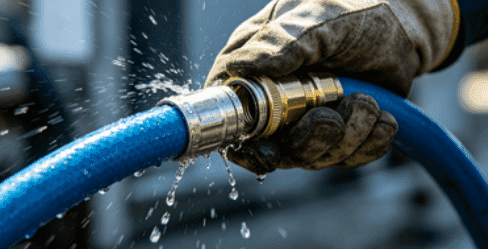
Hydraulic hose crimp fittings create a permanent mechanical connection that withstands high pressure, temperature variations, and vibration. Understanding why they are essential helps engineers, buyers, and operators make better decisions.
Pressure Resistance
Hydraulic systems can operate at pressures exceeding 4,000 psi (≈28 MPa). Properly crimped fittings maintain sealing integrity, preventing leaks and sudden disconnections. For example, SAE J516 standards specify precise crimp diameters and ferrule designs for different hose types and pressure ratings.
System Safety
Hydraulic fluid leaks are not only costly but also dangerous. High-pressure leaks can cause burns, fires, or equipment damage. Reliable hydraulic hose crimp fittings minimize these risks.
Longer Service Life
A correctly crimped hose distributes stress evenly across the reinforcement layers, reducing the risk of premature failure. Data from a 2021 case study in the Construction Equipment Journal showed that proper crimping extended hose service life by up to 35% compared to improperly crimped hoses.
Common Causes of Hydraulic Hose Failure
Hydraulic hoses may appear robust, but failures often originate at the connection points.
Incorrect Crimp Diameter
If the crimp diameter is too tight or too loose, the fitting may fail under pressure. A 2020 survey by Hydraulics & Pneumatics Magazine found that 27% of hose failures were caused by improper crimp diameters.
Why It Happens
- Using outdated crimping machines
- Misreading manufacturer specifications
- Inconsistent crimping procedures
Incompatible Hose and Fittings
Hoses and fittings must be compatible in size, pressure rating, and material. Mismatched components lead to leaks, bursts, or premature wear.
Excessive Vibration
Hydraulic machinery often operates under vibration and movement. Over time, vibration weakens the hose near the fitting, causing micro-cracks or separation.
Industry Standards and Specifications
Industry standards guide safe installation and material selection for hydraulic hose crimp fittings. Adhering to these standards increases reliability and ensures regulatory compliance.
ISO 12151-2
Covers hose assemblies with crimped fittings for 6–400 bar pressure ranges. Provides tolerances for ferrule deformation and hose retention.
SAE J516
Defines dimensions and performance criteria for hydraulic hose fittings, including thread types, pressure ratings, and ferrule geometry.
EN 853 / EN 854
European standards for hydraulic hoses, detailing assembly requirements for single and multi-wire spiral reinforcement hoses.
Types of Hydraulic Hose Crimp Fittings
Different hydraulic applications require different fitting designs. Choosing the right type is crucial for efficiency, safety, and hose longevity.
| Fitting Type | Common Application | Main Advantage | Pressure Capability | Typical Hose |
|---|---|---|---|---|
| Straight Fittings | General hydraulic systems | Simple installation | Up to 4,000 psi | EN 853 2SN |
| Elbow Fittings | Tight installation spaces | Better hose routing | Up to 3,500 psi | ISO 12151-2 |
| Tee Fittings | Fluid distribution systems | Multi-line connection | Up to 3,000 psi | SAE 100R2AT |
| Flange Fittings | Heavy equipment | Excellent sealing | Up to 5,000 psi | EN 857 2SC |
| Quick Connect Fittings | Mobile machinery | Fast replacement | Up to 3,000 psi | ISO 7241 |
How Proper Crimping Extends Hose Life
Reduces Internal Stress
Even pressure distribution prevents reinforcement wire deformation, reducing the risk of hose fatigue.
Prevents Fluid Leakage
Leak-free fittings maintain hydraulic system pressure, preventing performance drops and contamination.
Improves Flexibility
Correct installation reduces bending stress, improving hose flexibility without compromising sealing integrity.
Why Bend Radius Matters
- Hose ends are the most vulnerable under repeated bending.
- Exceeding recommended bend radius can reduce hose life by 25–40%.
Case Studies: Real-World Impact of Proper Crimping
Case 1: Construction Equipment in Australia
A construction company replaced all crimp fittings with properly specified SAE-compliant fittings. Result: downtime decreased by 30%, and hose replacement costs dropped by 15% annually.
Case 2: Hydraulic Press in Manufacturing Plant
Improper crimping caused leakage and contamination in hydraulic presses. Switching to ISO 12151-certified crimp fittings eliminated leaks and improved machine efficiency by 12%.
Hydraulic Hose Crimp Fittings vs Reusable Fittings
Many buyers weigh the pros and cons of crimp vs. reusable fittings.
| Feature | Hydraulic Hose Crimp Fittings | Reusable Fittings |
|---|---|---|
| Installation Method | Crimping machine required | Manual assembly |
| Leak Resistance | High | Medium |
| Vibration Resistance | Excellent | Good |
| Reusability | No | Yes |
| Best For | High-pressure, long-term | Emergency repairs |
Recommendation: For high-pressure and critical applications, crimp fittings are generally superior in reliability.
Advanced Concepts: Material and Seal Selection
Fitting Materials
- Carbon Steel: Standard choice for industrial applications.
- Stainless Steel: Corrosion-resistant, ideal for marine or chemical environments.
- Aluminum: Lightweight, used in mobile machinery.
Seal Types
- Nitrile (NBR): Standard hydraulic fluids.
- Viton®: High-temperature and chemical resistance.
- EPDM: Compatible with water-glycol fluids.
Hydraulic Hose Crimp Fittings Maintenance Checklist
- Inspect fittings monthly for leakage, corrosion, or cracks.
- Check ferrule deformation and crimp diameter using manufacturer gauges.
- Replace hoses if the end shows visible signs of wear or stress.
- Document all inspections for compliance and predictive maintenance.
Selecting the Right Crimping Equipment
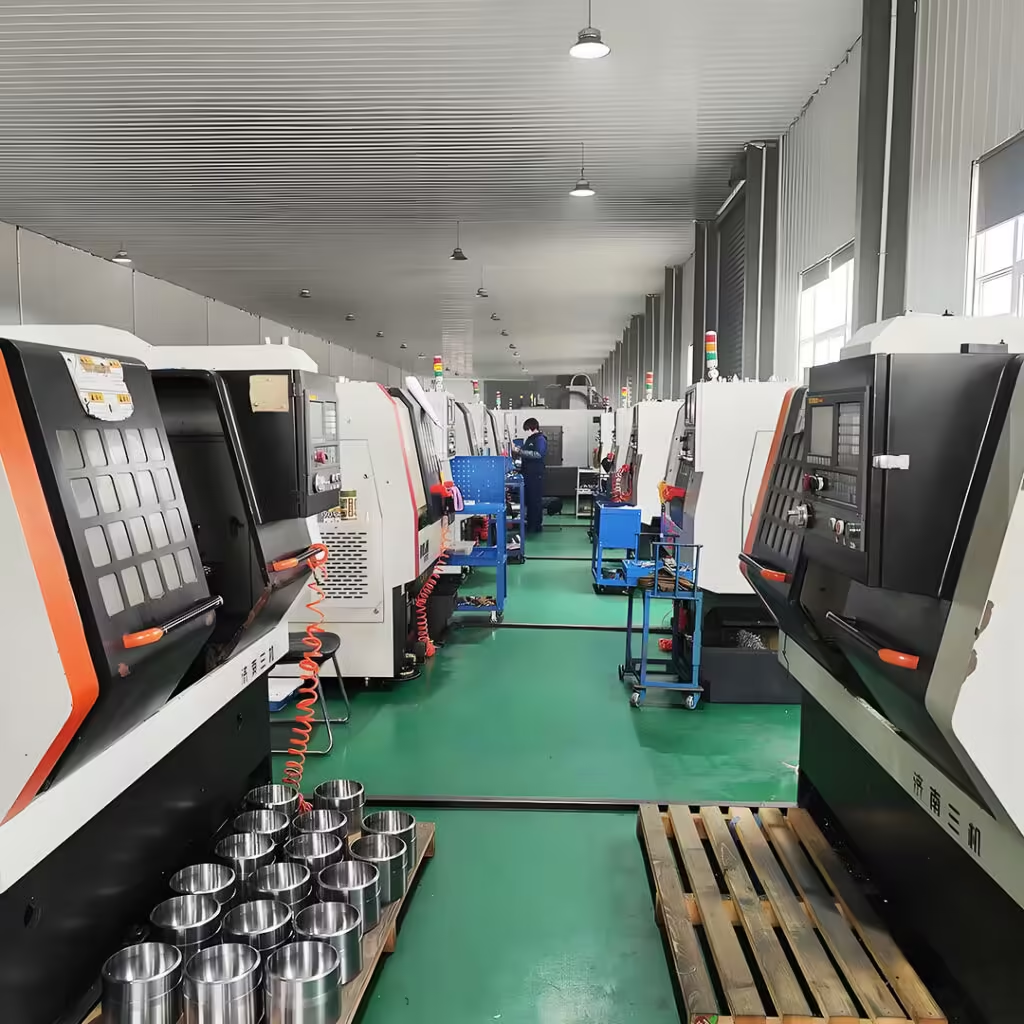
High-quality hydraulic hose crimp fittings require precise machinery. Key considerations:
- Crimp force calibration and monitoring
- Compatible die sets for various hose diameters
- Hydraulic vs. electric crimping machines for productivity
- Safety features to prevent over-crimping
Industry Data: According to Hydraulic & Pneumatics 2023, companies using calibrated electric crimping machines saw a 15% reduction in fitting failures compared to hydraulic or manual crimpers.
Environmental Considerations for Fittings
Temperature Extremes
- Crimped hoses in -20°C to 80°C environments require materials that maintain flexibility and sealing integrity.
Chemical Exposure
- Hydraulic hoses in chemical plants need corrosion-resistant fittings to avoid leaks.
Outdoor Applications
- UV radiation, rain, and dust necessitate stainless steel or coated fittings.
How to Choose the Right Hydraulic Hose Crimp Fittings
- Determine pressure requirements of your hydraulic system.
- Select hose and fitting materials compatible with operating fluid.
- Check environmental factors: temperature, vibration, exposure.
- Refer to ISO, SAE, or EN standards for assembly specifications.
- Use calibrated crimping equipment and follow manufacturer instructions.
Conclusion
High-quality hydraulic hose crimp fittings, proper installation, and routine inspection are crucial for system reliability. Adhering to industry standards such as ISO 12151, SAE J516, and EN 853/854 ensures long-lasting, leak-free performance. Real-world cases demonstrate measurable improvements in system uptime, hose life, and safety.
Whether for construction, agriculture, or industrial hydraulic systems, investing in the right hydraulic hose crimp fittings and following best practices protects your equipment, reduces operational costs, and ensures safe, efficient operation.
FAQ
How long do hydraulic hose crimp fittings last?
With proper installation, high-quality fittings can last 5–10 years, depending on operating conditions.
Can crimp fittings fail even if properly installed?
Yes, external damage, extreme vibration, or fluid contamination can still compromise fittings.
Is there a difference between OEM and aftermarket fittings?
OEM fittings are specifically designed for the equipment, often providing better compatibility and longevity. Aftermarket fittings may vary in quality.
How often should hydraulic hose assemblies be replaced?
Inspection-based replacement is preferred. Signs of leakage, hose slippage, or ferrule cracking indicate immediate replacement.
What tools are recommended for crimping hydraulic hoses?
- Electric crimping machines with pressure monitoring
- Calibrated dies according to hose diameter
- Torque wrenches for flange connections