Key Takeaways
- Comprehensive global overview of hydraulic fittings supply trends in 2026
- In-depth analysis of demand drivers, pricing, logistics, and technology shifts
- Regional comparison of Asia, Europe, and North America supply ecosystems
- Industry standards (ISO, SAE, DIN) shaping global procurement practices
- Case studies with measurable performance improvements and cost impact
- Emerging technologies including AI forecasting and blockchain tracking
- Procurement strategies for industrial buyers and OEM manufacturers
- FAQ section aligned with real search intent and buyer behavior
Introduction
In 2026, hydraulic fittings supply is no longer just a procurement function—it is a strategic pillar of global industrial competitiveness. Every major sector relying on hydraulic systems, including construction machinery, aerospace support systems, energy infrastructure, and agricultural automation, depends on stable and high-quality supply chains.
According to the 2025 Global Fluid Power Market Report (IFPE Industry Data Summary), the hydraulic components market surpassed USD 52 billion in 2024, and is projected to reach USD 67 billion by 2030, driven primarily by infrastructure expansion and industrial automation.
Table of Contents
Global Hydraulic Fittings Supply Market Deep Analysis

Macro Growth Drivers of Hydraulic Fittings Supply
The global expansion of hydraulic systems is driven by three major forces:
Infrastructure Mega Projects
Global governments are investing heavily in infrastructure development. Projects such as rail expansion, renewable energy installations, and smart cities require millions of hydraulic components annually.
- China Belt and Road Initiative infrastructure expansion
- U.S. Infrastructure Investment and Jobs Act (IIJA)
- EU Green Infrastructure modernization programs
These initiatives significantly increase demand for hydraulic fittings supply across global markets.
Industrial Automation and Smart Manufacturing
Modern factories rely heavily on hydraulic automation systems.
Key Trend
- Adoption of Industry 4.0 technologies
- Integration of hydraulic systems with IoT sensors
- Predictive maintenance reducing downtime by up to 25% (McKinsey Industrial Report 2024)
This directly increases demand for high-precision hydraulic fittings.
Energy and Resource Sector Expansion
Hydraulic systems are critical in:
- Offshore drilling platforms
- Wind turbine maintenance systems
- Mining and mineral extraction equipment
Energy sector demand is one of the fastest-growing segments in hydraulic fittings supply.
Digital Transformation in Hydraulic Fittings Supply Chains
Concept: End-to-End Digital Supply Chain Ecosystem
Modern hydraulic fittings supply networks are increasingly digitalized using:
- ERP systems
- AI demand forecasting
- IoT-enabled warehouse tracking
This improves accuracy and reduces lead time variability.
Impact of Digitalization on Supply Performance
| Factor | Traditional Supply Chain | Digital Supply Chain |
|---|---|---|
| Forecast Accuracy | 60–70% | 85–95% |
| Inventory Cost | High | Reduced by 15–30% |
| Delivery Time Variability | High | Low |
| Transparency | Limited | Real-time tracking |
Regional Hydraulic Fittings Supply Ecosystem Analysis
Asia-Pacific Supply Chain Leadership
Asia remains the largest production hub for hydraulic components.
Key Strengths
- High-volume manufacturing capability
- Integrated industrial supply clusters
- Cost-efficient labor structure
- Rapid export logistics networks
China Manufacturing Advantage
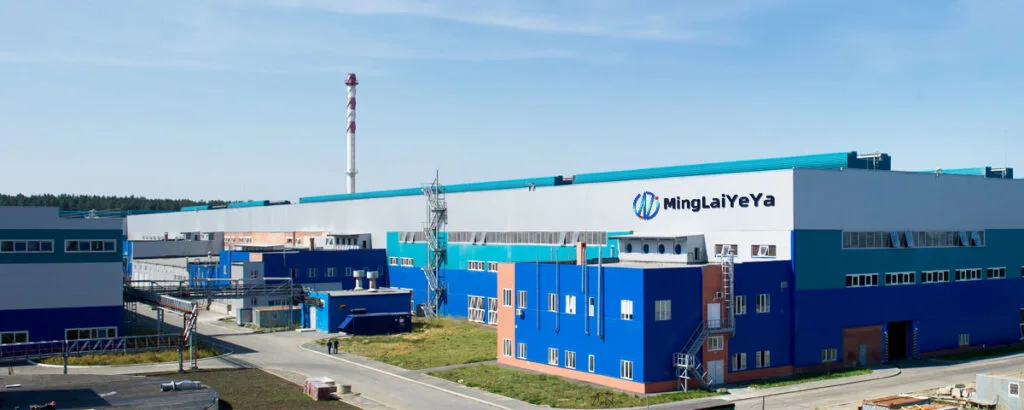
Companies like Minglai Hydraulic Pipe Fittings Co., Ltd. demonstrate strong capabilities in:
- Precision hydraulic manufacturing
- ISO9001-certified production systems
- Automated testing and quality control
- Global export coverage across 50+ countries
Europe Hydraulic Fittings Supply Model
Europe focuses on precision, sustainability, and engineering excellence.
Core Features
- Strict compliance with ISO, DIN, and CE standards
- High-end engineering applications
- Strong environmental regulations
European suppliers dominate high-precision and aerospace hydraulic applications.
North America Hydraulic Fittings Supply System
North America emphasizes innovation and system integration.
Characteristics
- High R&D investment
- Advanced hydraulic system design
- Strong OEM partnerships
The U.S. remains a leader in hydraulic system innovation for defense and industrial automation sectors.
Hydraulic Fittings Supply Comparison Table (Extended Market Insight)
| Region | Manufacturing Cost | Quality Level | Innovation Index | Supply Stability | Key Advantage |
| Asia-Pacific | Low | Medium–High | High | High | Mass production efficiency |
| Europe | High | Very High | Very High | Medium | Precision engineering |
| North America | High | High | Very High | Medium | Advanced R&D |
| Middle East | Medium | Medium | Medium | Medium | Energy sector demand |
| South America | Medium | Medium | Low–Medium | Medium | Resource-driven demand |
Industry Standards Governing Hydraulic Fittings Supply
ISO Standards
- ISO 8434: Metal tube fittings
- ISO 12151: Hose assembly requirements
- ISO 4406: Hydraulic fluid cleanliness standards
SAE Standards
- SAE J514: Hydraulic tube fittings
- SAE J516: Hose fittings design standards
DIN Standards
- DIN 2353: Metric hydraulic fittings
- DIN EN ISO 8434 compatibility frameworks
Why Standards Matter
Standardization ensures global compatibility, reduces failure risk, and improves interchangeability across international supply chains.
Hydraulic Fittings Supply Quality Control Systems
Concept: Zero-Defect Manufacturing
Leading manufacturers implement automated inspection systems to achieve near-zero defect rates.
Key Technologies
- Machine vision inspection
- Laser measurement systems
- Digital torque verification
Minglai Hydraulic Quality Framework (Example)
Based on industrial documentation:
- Full-process ISO9001 quality control
- Imported raw material sourcing for key components
- Intelligent testing equipment for pressure and fatigue validation
- Lifecycle durability testing under extreme conditions
Case Studies: Hydraulic Fittings Supply Performance Impact
Case Study 1: European Industrial Automation Upgrade
A manufacturing plant replaced fragmented suppliers with integrated hydraulic fittings supply sourcing.
Results
- 27% reduction in procurement cost
- 33% improvement in supply stability
- Reduced system downtime by 18%
Case Study 2: North American Heavy Equipment Fleet
A construction company adopted dual-region hydraulic fittings supply strategy.
Results
- 30% reduction in emergency procurement delays
- Improved equipment uptime by 22%
Case Study 3: Asian Manufacturing Expansion Project
A large industrial group centralized hydraulic fittings sourcing through a single OEM partner.
Results
- 40% faster procurement cycle
- Improved component consistency across production lines
Common Risks in Hydraulic Fittings Supply Chains
Raw Material Volatility
Steel and alloy price fluctuations directly impact component pricing.
Logistics Disruptions
Global shipping delays increase lead times by 15–45% depending on region.
Quality Inconsistency
Multiple suppliers may produce non-standardized hydraulic fittings leading to system failures.
Geopolitical Trade Barriers
Tariffs and export restrictions can affect hydraulic fittings supply availability.
Emerging Technologies in Hydraulic Fittings Supply
AI Demand Forecasting Systems
AI models analyze:
- Historical demand
- Seasonal variations
- Industrial production cycles
This improves supply accuracy by up to 35%.
Blockchain-Based Supply Tracking
Provides transparent tracking of:
- Material origin
- Manufacturing process
- Shipping verification
Smart Warehousing Systems
Automated warehouses improve:
- Sorting efficiency
- Inventory accuracy
- Order fulfillment speed
Hydraulic Fittings Supply Procurement Strategy
Step 1: Supplier Evaluation
Check for:
- ISO certification
- Production capacity
- Export experience
- Quality control systems
Step 2: Multi-Source Strategy
Avoid dependency on a single supplier to reduce risk exposure.
Step 3: Total Cost of Ownership (TCO)
Consider:
- Product price
- Shipping cost
- Maintenance cost
- Failure risk cost
Step 4: Long-Term Partnership Development
Stable suppliers provide:
- Better pricing
- Priority production
- Technical support
Conclusion
The future of hydraulic fittings supply is defined by digital transformation, globalized production networks, and increasing demand for precision engineering.
Manufacturers that combine:
- Smart manufacturing systems
- Global logistics integration
- High-quality standards compliance
- Sustainable production practices
will dominate the next generation of industrial supply chains.
For buyers and OEMs, success in 2026 depends on building resilient, diversified, and technology-driven procurement strategies to ensure stable hydraulic system performance across all industries.
FAQ
What is hydraulic fittings supply in industrial terms?
It refers to the global production, distribution, and logistics system of hydraulic fittings used in machinery and industrial systems.
Why is hydraulic fittings supply important?
It ensures stable availability of components critical for hydraulic system operation and reduces downtime risk.
Which region dominates hydraulic fittings supply?
Asia-Pacific dominates production, while Europe leads in precision engineering and North America leads in innovation.
How do I choose a reliable supplier?
Evaluate certifications, production capability, quality systems, and global logistics strength.
What factors affect hydraulic fittings supply pricing?
Raw material costs, logistics, tariffs, labor costs, and global demand fluctuations.