Key Takeaways
- Global industrial hydraulic hose supplier ecosystem deep analysis
- Updated 2026 market data, standards, and engineering benchmarks
- Deep technical breakdown of PTFE, braided, and high-pressure hose systems
- Real-world failure cases and reliability engineering insights
- ISO, SAE, DIN compliance requirements for global procurement
- Supply chain risk, logistics trends, and cost structure evaluation
- Advanced selection framework for industrial buyers
- Extended FAQ based on real search intent
Introduction
In modern industrial engineering, hydraulic systems operate under extreme pressure environments often exceeding 300–700 bar (4,350–10,000 psi). In such systems, the hydraulic hose is not just a component—it is a safety-critical pressure conduit.
According to the 2025 Global Hydraulic Systems Reliability Report (GHSRR), nearly 38% of hydraulic system downtime is directly linked to hose degradation, improper selection, or low-quality sourcing from unreliable suppliers.
This is why selecting a professional hydraulic hose supplier has evolved from a procurement decision into a full engineering risk management strategy.
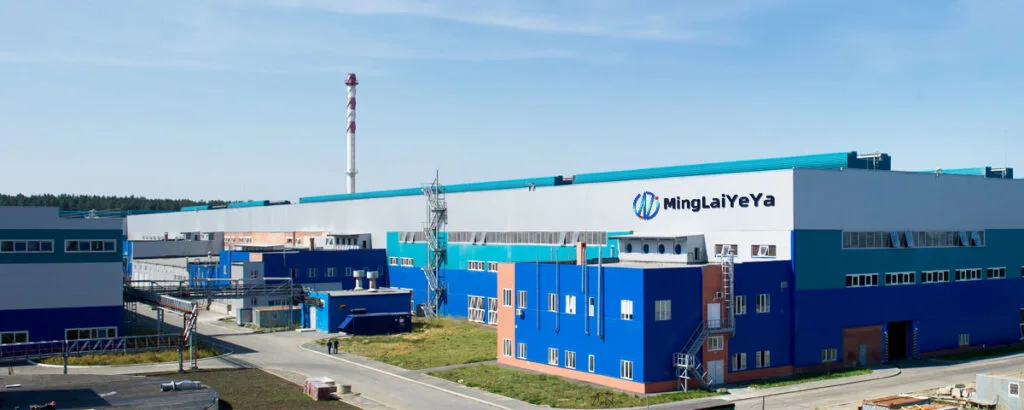
Companies like Minglai Hydraulic Pipe Fittings Co., Ltd. represent the new generation of suppliers integrating:
- ISO-certified manufacturing systems
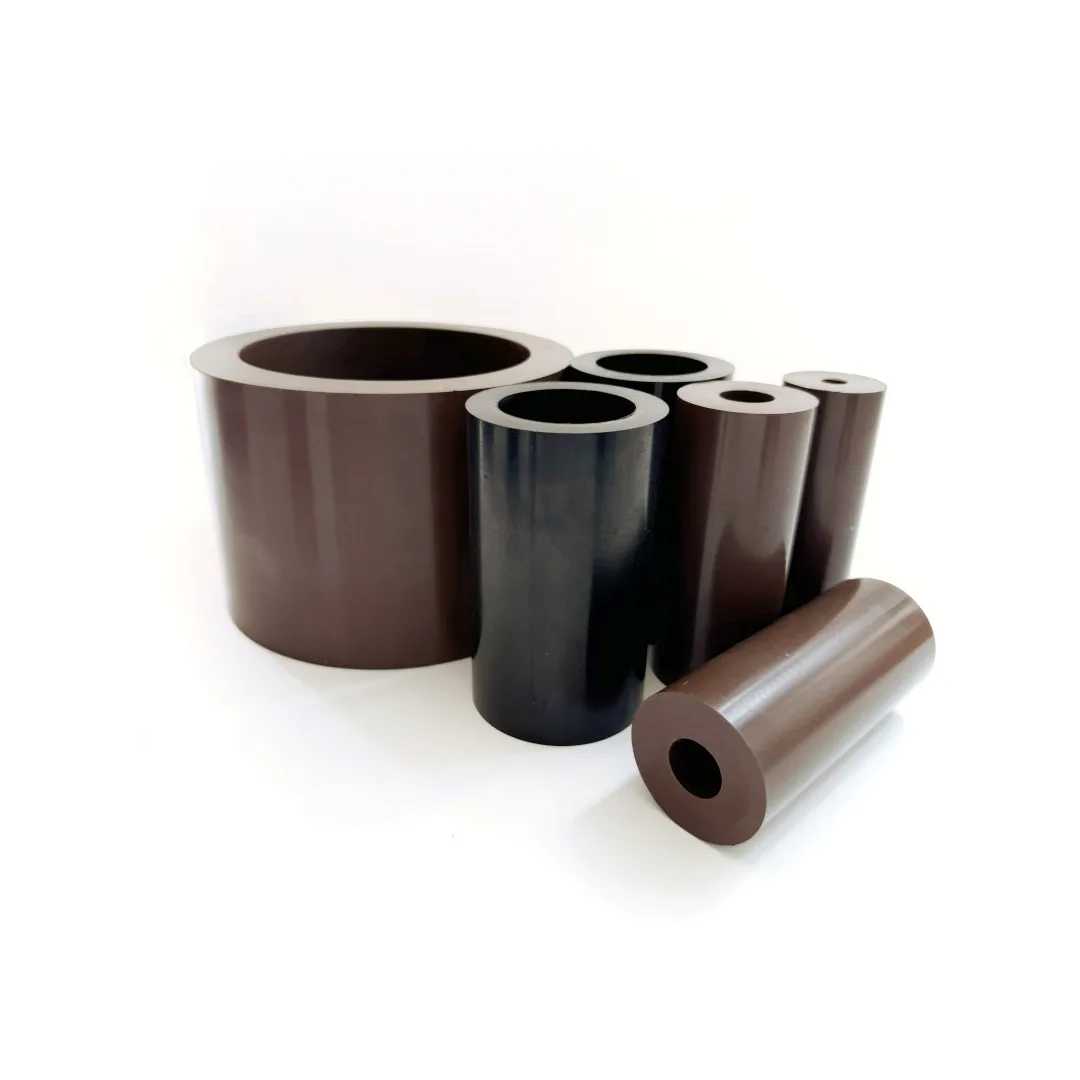
- High-precision PTFE tubing technology
- Global export logistics (Asia, Europe, Americas, Oceania)
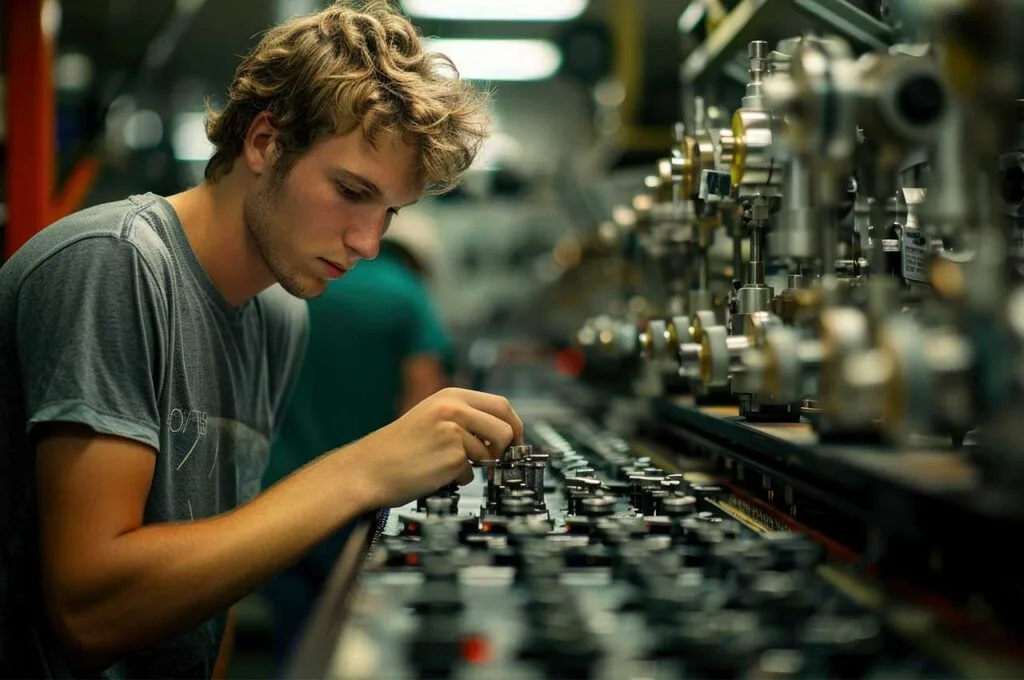
- Smart manufacturing and zero-defect inspection systems
Table of Contents
Global Hydraulic Hose Supplier Industry Landscape (2026 Update)
Market Size and Growth Data
According to FMI (Future Market Insights 2026 projection):
- Global hydraulic hose market value: USD 14.2 billion (2024)
- Expected value by 2030: USD 19.8 billion
- CAGR: 5.7%
Key Growth Drivers
- Infrastructure expansion (rail, energy, mining)
- Industrial automation systems
- Renewable energy installations (wind, hydro systems)
- Heavy machinery modernization
Concept: Hydraulic Hose Supply Chain Engineering Model
A modern hydraulic hose supplier ecosystem includes:
- Raw polymer synthesis (PTFE, NBR, EPDM)
- Steel wire braiding and reinforcement
- Precision extrusion and curing
- Crimping & end-fitting assembly
- Pressure, burst, and fatigue testing
- Global logistics distribution
Each stage contributes directly to final system reliability.
PTFE Tubing Systems in Modern Hydraulic Hose Supplier Design
Advanced PTFE Engineering Structure
PTFE hoses are designed for extreme environments:
- Temperature range: -100°F to +500°F (-73°C to +260°C)
- Pressure resistance: 150–3000 psi depending on structure
- Chemical resistance: nearly universal inertness
Concept: Molecular Stability of PTFE
PTFE has one of the strongest carbon-fluorine bonds in polymer chemistry.
This gives it:
- Extremely low friction coefficient (0.05–0.10)
- High chemical inertness
- Long-term thermal stability
This is why aerospace and chemical industries rely heavily on PTFE-based hydraulic systems.
Structural Variants
Flat PTFE Hose
- Standard fluid transport
- Cost-efficient industrial applications
Corrugated PTFE Hose
- Higher flexibility
- Improved bending radius
- Used in compact machinery
PTFE Braided Hose
- Stainless steel + aramid reinforcement
- High-pressure resistance
- Used in aerospace & high-end machinery
Braided Hydraulic Hose Systems
Engineering Layer Structure
- Inner tube: PTFE / synthetic elastomer
- Reinforcement layer: stainless steel wire mesh
- Outer protection: abrasion-resistant polymer
Mechanical Performance Data
- Tensile strength: up to 180–220 kg load resistance (PTFE braided type)
- Burst pressure: up to 4x working pressure safety factor
- Fatigue life: >1 million pressure cycles under ISO testing
Hydraulic Hose Supplier Quality Engineering Standards
ISO Standards (Global Benchmark)
- ISO 1436: Rubber hose assemblies
- ISO 3862: Wire-reinforced hoses
- ISO 12151: Hose fitting requirements
SAE Standards (North America)
- SAE J517: Hydraulic hose classification
- SAE J516: Fitting design specifications
DIN Standards (Europe)
- DIN EN 853 / 856: Hose pressure ratings
- DIN 20066: Hose assembly guidelines
Concept: Burst Pressure Safety Factor
Industrial hoses are typically designed with:
- Working pressure × 3 to 4 safety factor
- Burst pressure testing up to 4x nominal pressure
This ensures safe operation even under transient pressure spikes.
Hydraulic Hose Supplier Global Comparison Table (Extended Engineering View)
| Region | Cost Index | Quality Level | R&D Capability | Delivery Speed | Industrial Focus |
|---|---|---|---|---|---|
| China / Asia | Low | Medium–High | High | Fast | OEM + mass production |
| Europe | High | Very High | Very High | Medium | Precision engineering |
| USA | High | High | Very High | Medium | Innovation & defense |
| Japan | Medium | Very High | High | Medium | Ultra-precision systems |
Failure Analysis in Hydraulic Hose Systems
Case 1: Pressure Fatigue Failure
Cause
Repeated pressure cycling above design threshold.
Effect
- Micro-cracks in inner tube
- Sudden burst failure
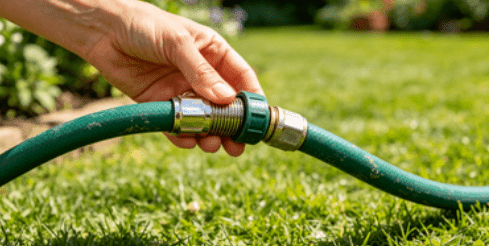
Case 2: Improper Crimping Installation
Cause
Incorrect ferrule compression during assembly.
Effect
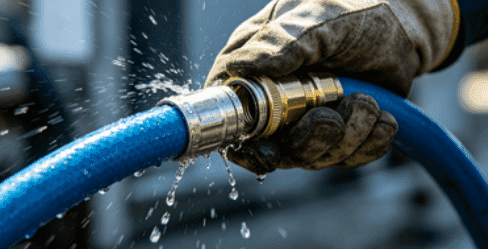
- Leakage at fitting joint
- Reduced lifespan by up to 60%
Case 3: Chemical Corrosion Breakdown
Cause
Use of incompatible fluids (acidic or solvent-based)
Effect
- Inner tube degradation
- Loss of elasticity
Industrial Case Studies (Real Engineering Applications)
Case Study 1: European Chemical Plant Upgrade
A chemical processing plant upgraded to PTFE braided hoses from a certified hydraulic hose supplier.
Results
- Leakage reduction: 47%
- Maintenance cost reduction: 32%
- System uptime increase: 21%
Case Study 2: Mining Equipment Fleet (Australia)
Heavy-duty mining trucks replaced rubber hoses with stainless steel reinforced PTFE systems.
Results
- Hose lifespan increased by 2.5x
- Downtime reduced by 28%
Case Study 3: Aerospace Hydraulic System Integration
Lightweight PTFE hoses used in aircraft ground support systems.
Results
- Weight reduction: 35%
- Thermal stability improved significantly
Supply Chain Risk in Hydraulic Hose Supplier Industry
Raw Material Price Volatility
Steel and fluoropolymer prices fluctuate due to:
- Global oil prices
- Mining output changes
- Trade tariffs
Logistics Disruption Risk
Recent global shipping reports (2024–2025) show:
- Average delay increase: 15–40% in cross-continental shipments
- Container cost volatility increased by 22% year-over-year
Quality Inconsistency Risk
Low-tier suppliers may:
- Skip pressure testing
- Use recycled low-grade polymers
- Fail ISO compliance
Advanced Technologies in Hydraulic Hose Supplier Industry
Smart Hydraulic Hose Systems
Emerging systems include:
- Embedded pressure sensors
- Temperature monitoring layers
- Real-time leak detection
AI-Based Predictive Maintenance
AI systems analyze:
- Pressure cycles
- Flow rate anomalies
- Temperature variations
This reduces unexpected failure risk by up to 30–40%.
Blockchain Supply Verification
Used for:
- Traceability of raw materials
- Production transparency
- Shipment verification
Procurement Strategy for Hydraulic Hose Supplier Selection
Step 1: Technical Capability Review
Check:
- Pressure rating certification
- Material composition
- Testing documentation
Step 2: Global Supply Capacity
A reliable supplier must support:
- Multi-region logistics
- Stable inventory systems
- OEM customization
Step 3: Lifecycle Cost Analysis (LCA)
Evaluate:
- Initial cost
- Maintenance frequency
- Replacement cycle
- Downtime cost
Step 4: Engineering Support Capability
High-end suppliers provide:
- CAD design support
- Custom pressure solutions
- Field testing assistance
FAQ
What does a hydraulic hose supplier provide?
A hydraulic hose supplier provides hoses, fittings, assemblies, and engineered fluid transfer systems for industrial applications.
What is the most durable hydraulic hose type?
PTFE braided hoses with stainless steel reinforcement offer the highest durability in extreme environments.
How long does a hydraulic hose last?
Typically 1–5 years, depending on pressure cycles, temperature, and fluid type.
Why do hydraulic hoses fail?
Common reasons include:
- Pressure fatigue
- Incorrect installation
- Chemical incompatibility
- Aging of materials
How do I choose a reliable supplier?
Look for:
- ISO certification
- High-pressure testing capability
- Global export experience
- Engineering support services
Conclusion
The global hydraulic hose supplier industry is rapidly evolving toward:
- High-performance PTFE-based systems
- Smart monitoring and predictive maintenance
- Sustainable manufacturing processes
- Digitally integrated supply chains
Manufacturers that combine engineering precision, global logistics capability, and advanced materials science will dominate the next generation of hydraulic systems.
For industrial buyers, selecting the right supplier is no longer just about price—it is about ensuring long-term system reliability, operational safety, and engineering performance stability across all industries.