Key Takeaways
- Common materials used for plumbing and pipe fitting union
- How material choice affects durability, pressure resistance, and corrosion protection
- Differences between metal and polymer unions
- Comparison table for material selection based on application
- Installation tips and maintenance practices
- FAQs addressing material selection and compatibility
Introduction
Selecting the correct material for plumbing and pipe fitting unions is critical for system reliability and safety. A poor material choice can lead to leaks, corrosion, and premature failure, while the right material ensures long-term performance and minimal maintenance.
Understanding the properties, advantages, and limitations of different materials allows engineers, contractors, and buyers to make informed decisions for residential, commercial, and industrial projects.
Table of Contents
Common Materials Used in Plumbing and Pipe Fitting Unions

Brass Plumbing and Pipe Fitting Union
Brass is widely used for plumbing unions due to its excellent corrosion resistance and machinability.
- Ideal for potable water and moderate pressure systems
- Offers good mechanical strength and durability
- Resistant to scaling and mineral deposits
Stainless Steel Plumbing and Pipe Fitting Union
Stainless steel unions are preferred for high-pressure and industrial applications.
- Exceptional corrosion resistance, even in harsh chemicals
- Suitable for high-temperature applications
- Provides high strength and long service life
Carbon Steel Plumbing and Pipe Fitting Union
Carbon steel is commonly used in industrial piping systems where high pressure and mechanical stress are expected.
- Strong and cost-effective for heavy-duty applications
- Requires protective coating to prevent corrosion
- Often used in oil, gas, and chemical industries
Polymer and Plastic Plumbing and Pipe Fitting Union
Polymer unions, such as PVC or CPVC, are lightweight and corrosion-resistant.
- Suitable for low to moderate pressure systems
- Easy to install and replace
- Ideal for residential and low-temperature applications
Comparison of Plumbing and Pipe Fitting Union Materials
| Material | Pressure Rating | Corrosion Resistance | Typical Applications | Cost |
|---|---|---|---|---|
| Brass | Medium | High | Residential plumbing, potable water | Medium |
| Stainless Steel | High | Very High | Industrial, chemical, high-pressure | High |
| Carbon Steel | Very High | Medium (requires coating) | Oil & gas, heavy industry | Medium-Low |
| PVC/CPVC | Low-Medium | High | Residential, irrigation, low-temp industrial | Low |
This table helps buyers quickly compare materials for plumbing and pipe fitting unions based on pressure requirements, corrosion resistance, and cost.
Factors to Consider When Selecting Material
Corrosion and Chemical Compatibility
Selecting a union material compatible with the fluid type prevents degradation and leaks. For example, stainless steel is ideal for aggressive chemicals, whereas PVC is suitable for water-based systems.
Temperature and Pressure Ratings
Materials must match system operating conditions:
- Brass: up to 200°F / 200 PSI
- Stainless Steel: up to 1200°F / 3000 PSI
- Carbon Steel: up to 1000°F / 5000 PSI (with coating)
- PVC/CPVC: up to 180°F / 150 PSI
Mechanical Strength and Durability
High-pressure or heavy-duty systems require strong materials such as stainless or carbon steel. Lightweight polymer unions are sufficient for low-pressure applications where mechanical load is minimal.
Cost vs Performance
While stainless steel offers the best durability and corrosion resistance, it comes at a higher price. Brass provides a balanced option, while PVC/CPVC offers affordability but limited pressure and temperature capability.
Installation Tips and Maintenance for Plumbing and Pipe Fitting Unions
Proper Torque and Sealing
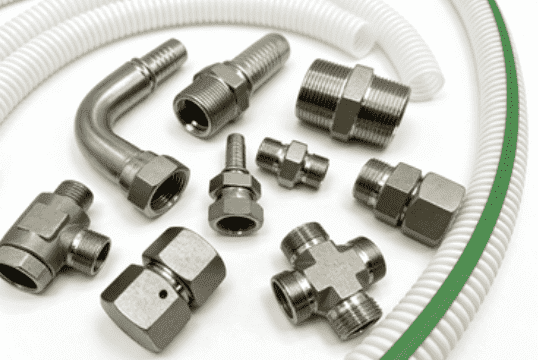
Ensure proper torque when installing unions to avoid leaks and overtightening, which can damage threads.
Regular Inspection
Check for corrosion, leaks, and wear, especially in industrial and high-pressure systems. Early detection prevents major system failures.
Cleaning and Lubrication
Clean threads and surfaces before assembly and apply appropriate lubricants or thread sealants to improve sealing performance.
Conceptual Comparison: Metal vs Polymer Unions
Metal Unions
Metal unions, such as brass, stainless, or carbon steel, provide high mechanical strength, resistance to temperature extremes, and long service life. They are ideal for industrial or high-pressure systems but may be heavier and costlier.
Polymer Unions
Polymer unions are lightweight, corrosion-resistant, and easy to install. They are suitable for residential, low-temperature, and low-pressure applications but are limited in mechanical strength and high-temperature performance.
Conclusion
Choosing the right material for plumbing and pipe fitting unions ensures system reliability, safety, and cost-effectiveness. By understanding material properties, comparing performance, and considering application requirements, buyers can make informed decisions that maximize service life and minimize maintenance.
Proper installation, regular inspection, and adherence to manufacturer guidelines further enhance union performance across residential, commercial, and industrial systems.
FAQ
What is the best material for residential plumbing unions?
Brass or PVC/CPVC is recommended depending on pressure and water temperature requirements.
Can stainless steel unions be used for chemical piping?
Yes, stainless steel offers excellent corrosion resistance, making it ideal for aggressive chemicals.
How do I know if a union material is compatible with my system fluid?
Check the chemical compatibility chart provided by manufacturers and consider fluid temperature and pressure.
Are polymer unions reliable for industrial applications?
Polymers are generally suitable only for low-pressure, low-temperature industrial systems; metals are preferred for heavy-duty use.
How often should plumbing and pipe fitting unions be inspected?
Inspection frequency depends on system conditions, but a general guideline is every 6–12 months, or after major system changes.