- Understand what a Hydraulic Hose Connector Manufacturer really provides
- Learn how quality standards affect hydraulic system safety
- Compare OEM and aftermarket hydraulic connector suppliers
- Discover what global buyers look for before purchasing
- Explore manufacturing technology and testing capabilities
- Find out how certifications improve product reliability
- Learn common mistakes when selecting hydraulic hose connectors
- Compare production capacity, delivery time, and customization services
- Understand why sustainable manufacturing matters in hydraulic industries
- Get answers to frequently asked questions from buyers
Introduction
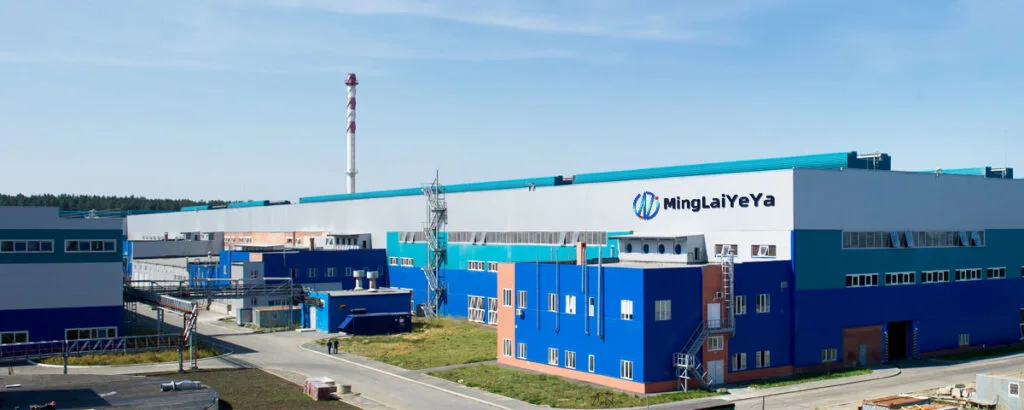
Choosing the right Hydraulic Hose Connector Manufacturer is an important step for companies involved in construction machinery, agricultural equipment, mining systems, industrial automation, and hydraulic transmission applications. Hydraulic hose connectors directly influence system pressure stability, sealing performance, operational safety, and maintenance costs.
Today’s buyers are not only looking for low prices. They also care about product consistency, technical support, quality control, production efficiency, and international certifications. A professional Hydraulic Hose Connector Manufacturer can help reduce downtime, improve equipment durability, and ensure long-term hydraulic system performance.
This guide explains how to evaluate manufacturers, compare supplier capabilities, and identify reliable hydraulic connector partners for global business cooperation.
Table of Contents
What Does a Hydraulic Hose Connector Manufacturer Do?
A Hydraulic Hose Connector Manufacturer designs, produces, tests, and supplies hydraulic fittings and connection components used in fluid transmission systems.
These manufacturers typically provide products for:
- Hydraulic machinery
- Excavators and loaders
- Agricultural equipment
- Industrial hydraulic systems
- Mining machinery
- Oil and gas applications
Hydraulic Connector Manufacturing Basics
Hydraulic connectors are precision components designed to transfer hydraulic fluids under high pressure. Their sealing accuracy and material quality determine whether a hydraulic system can operate safely and efficiently.
Manufacturers usually produce:
- Hydraulic hose fittings
- Adapters
- Ferrules
- Quick couplings
- Flanges
- Threaded connectors
Why Manufacturing Quality Matters
Poor-quality hydraulic fittings can cause:
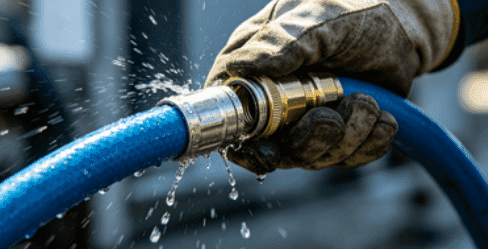
- Oil leakage
- Pressure instability
- Equipment downtime
- Increased maintenance costs
- Safety hazards
A reliable Hydraulic Hose Connector Manufacturer focuses on precision machining, raw material inspection, and strict pressure testing to minimize these risks.
Key Factors When Choosing a Hydraulic Hose Connector Manufacturer
Production Experience
Experience often reflects manufacturing stability and technical knowledge. Manufacturers with years of hydraulic industry experience usually understand international standards, equipment compatibility, and market requirements more clearly.
A company with strong industry experience can also provide practical recommendations for different hydraulic applications.
Quality Management System
Quality control is one of the most important evaluation factors.
Look for manufacturers with:
- ISO9001 certification
- Material traceability systems
- Pressure testing procedures
- Dimensional inspection standards
- Surface treatment verification
These systems help ensure consistent product performance.
Manufacturing Technology
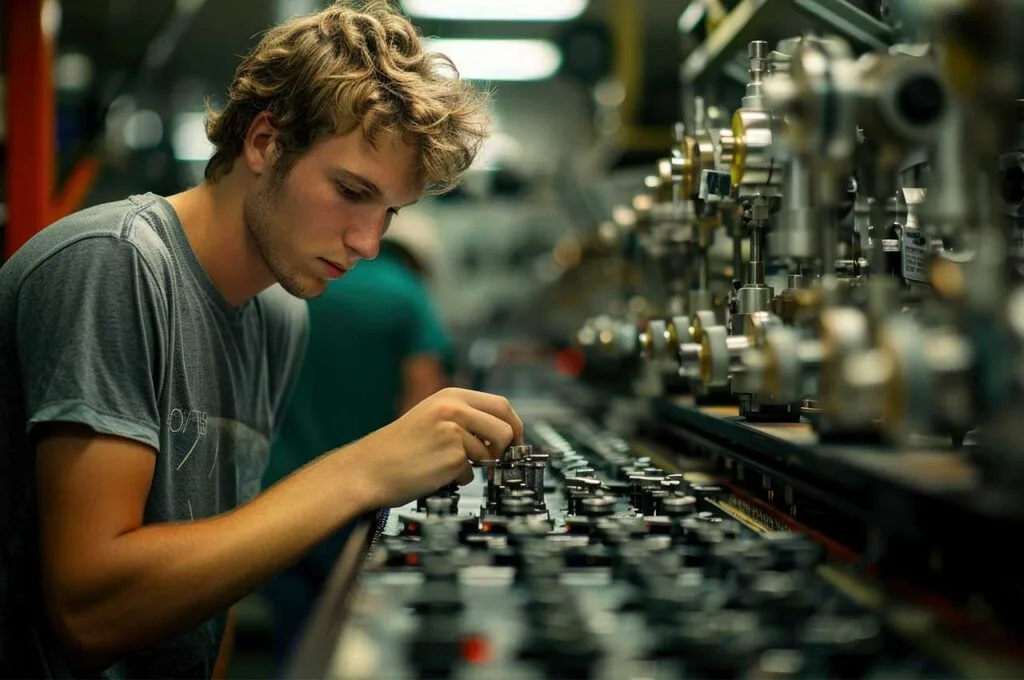
Modern hydraulic connector production relies heavily on automation and precision equipment.
CNC Machining Technology
Advanced CNC machines improve:
- Dimensional accuracy
- Thread consistency
- Surface smoothness
- Production efficiency
This helps reduce sealing failures in hydraulic systems.
Intelligent Testing Equipment
Modern manufacturers often use:
- Pressure pulse testing
- Salt spray testing
- Leak detection systems
- Hardness testing equipment
These tests improve product reliability under extreme operating conditions.
Comparing Different Types of Hydraulic Hose Connector Manufacturers
| Manufacturer Type | Advantages | Limitations | Suitable Buyers |
|---|---|---|---|
| OEM Manufacturer | High customization capability | Higher MOQ requirements | Equipment brands |
| Trading Company | Flexible sourcing | Less production control | Small distributors |
| Specialized Hydraulic Manufacturer | Strong technical expertise | Narrow product range | Industrial buyers |
| Large Integrated Factory | Stable supply chain | Longer communication process | Global importers |
This comparison helps buyers choose suppliers based on project size, budget, and technical requirements.
How International Certifications Improve Reliability
ISO9001 Quality Certification
ISO9001 certification ensures standardized production management from raw materials to finished products.
It demonstrates that a Hydraulic Hose Connector Manufacturer follows internationally recognized quality control processes.
Material Compliance Standards
Global markets often require:
- RoHS compliance
- REACH standards
- Pressure resistance certifications
Manufacturers that meet these requirements are usually better prepared for export business.
Why Buyers Ask About Testing Reports
Many international buyers request:
- Pressure test reports
- Material certificates
- Salt spray resistance reports
- Dimensional inspection documents
These documents improve purchasing confidence and reduce quality disputes.
Hydraulic Hose Connector Manufacturer vs Low-Cost Suppliers
Price Is Not the Only Decision Factor
Many buyers initially focus only on pricing. However, extremely low-cost hydraulic fittings may lead to:
- Shorter service life
- Frequent maintenance
- Higher replacement costs
- Hydraulic oil leakage
Long-term operational costs are often more important than initial purchase prices.
Stable Quality Creates Better Value
Reliable manufacturers focus on:
- Product consistency
- Stable delivery schedules
- Technical communication
- Long-term cooperation
These advantages help buyers maintain supply chain stability.
Understanding Smart Manufacturing in Hydraulic Connector Production
Modern Hydraulic Hose Connector Manufacturer facilities increasingly adopt smart manufacturing systems.
Automated Production Lines
Automated production improves:
- Manufacturing precision
- Batch consistency
- Production speed
- Error reduction
This is especially important for large export orders.
Digital Quality Monitoring
Digital inspection systems allow manufacturers to monitor production quality in real time.
This reduces defect rates and improves production traceability.
Lean Manufacturing Systems
Lean manufacturing helps factories:
- Reduce material waste
- Improve production efficiency
- Shorten lead times
- Lower operational costs
These improvements benefit both manufacturers and customers.
Sustainable Development in Hydraulic Manufacturing
Environmental responsibility is becoming increasingly important in industrial manufacturing.
Energy Recovery Systems
Some advanced manufacturers use energy-saving systems to reduce industrial power consumption during production.
This supports long-term sustainable manufacturing goals.
Recyclable Hydraulic Components
Environmentally friendly hydraulic connectors often include:
- Recyclable materials
- Longer service life
- Reduced waste generation
This helps companies meet environmental compliance requirements.
Eco-Friendly Hydraulic Solutions
Green hydraulic manufacturing may also involve:
- Waste recycling systems
- Cleaner surface treatment processes
- Reduced emissions during production
These practices are becoming important in international markets.
Questions Buyers Commonly Ask Before Purchasing
Can the Manufacturer Handle Large Orders?
Production capacity determines whether suppliers can meet delivery deadlines during peak demand periods.
Manufacturers with automated production lines and regional distribution systems usually offer stronger supply chain stability.
Does the Supplier Offer Custom Hydraulic Fittings?
Customization services may include:
- Special thread standards
- Custom logos
- Surface coatings
- Unique pressure specifications
OEM buyers often prioritize customization capabilities.
What Markets Does the Manufacturer Serve?
Manufacturers exporting to:
- North America
- Europe
- Southeast Asia
- Oceania
usually have more experience with international quality standards and logistics requirements.
Why Technical Support Matters
Pre-Sales Engineering Support
Technical support before ordering helps buyers:
- Select correct fitting types
- Confirm compatibility
- Avoid installation errors
This reduces procurement risks.
After-Sales Service
Reliable after-sales support improves:
- Customer satisfaction
- Product troubleshooting
- Long-term cooperation
Strong communication is especially important for international buyers.
How Minglai Hydraulic Pipe Fittings Supports Global Buyers
Minglai Hydraulic Pipe Fittings Co., Ltd. has rapidly expanded its presence in the hydraulic pipe fittings export market since the establishment of its Foreign Trade Division in 2023.
The company focuses on:
- Hydraulic fitting production
- Intelligent hydraulic technology
- International quality standards
- Customized hydraulic solutions
Advanced R&D Capabilities
The company has a provincial-level hydraulic R&D center with more than 30% of its team dedicated to:
- High-precision hydraulic components
- Intelligent control systems
- Energy-saving hydraulic technologies
International Quality Standards
Minglai follows strict quality management systems supported by:
- ISO9001 certification
- Automated precision production lines
- Intelligent testing equipment
- Digital quality monitoring systems
Global Supply Chain Support
Regional distribution centers across Asia, Europe, and the United States help improve:
- Delivery efficiency
- Inventory stability
- International customer response speed
These capabilities support global hydraulic equipment manufacturers and industrial buyers.
Common Mistakes When Choosing a Hydraulic Hose Connector Manufacturer
Ignoring Material Quality
Low-grade steel or improper coatings can reduce corrosion resistance and shorten connector lifespan.
Focusing Only on Price
Cheaper products may create hidden maintenance and operational costs later.
Overlooking Technical Support
Lack of engineering communication often causes compatibility problems.
Not Reviewing Certifications
Missing certifications may create import or compliance problems in international markets.
FAQ
What should I look for in a Hydraulic Hose Connector Manufacturer?
You should evaluate manufacturing experience, quality certifications, testing capabilities, production technology, customization services, and supply chain stability.
Why is ISO9001 important for hydraulic fittings?
ISO9001 helps ensure consistent production quality, inspection standards, and process control throughout manufacturing.
How can I verify hydraulic fitting quality?
You can request pressure testing reports, material certificates, dimensional inspection documents, and sample evaluations before bulk purchasing.
Are customized hydraulic hose connectors available?
Yes. Many manufacturers provide OEM and customized hydraulic fitting solutions based on thread standards, pressure requirements, and branding needs.
What industries use hydraulic hose connectors?
Hydraulic hose connectors are widely used in construction machinery, mining equipment, agriculture, industrial automation, transportation, and energy industries.
Conclusion
Choosing the right Hydraulic Hose Connector Manufacturer requires more than comparing prices. Buyers should carefully evaluate manufacturing technology, quality systems, certifications, production capacity, technical support, and long-term cooperation potential.
As hydraulic systems continue evolving toward higher efficiency, automation, and sustainability, manufacturers with advanced production capabilities and international quality standards will become increasingly valuable partners.
A reliable Hydraulic Hose Connector Manufacturer not only supplies products but also helps improve hydraulic system reliability, operational safety, and long-term business success.