Table of Contents
Introduction
Hydraulic compression fittings are indispensable components in modern hydraulic systems. They connect tubes or hoses securely, ensuring leak-free operation under high pressure. Proper understanding of these fittings is crucial for system safety, efficiency, and longevity.
Defining Hydraulic Compression Fittings
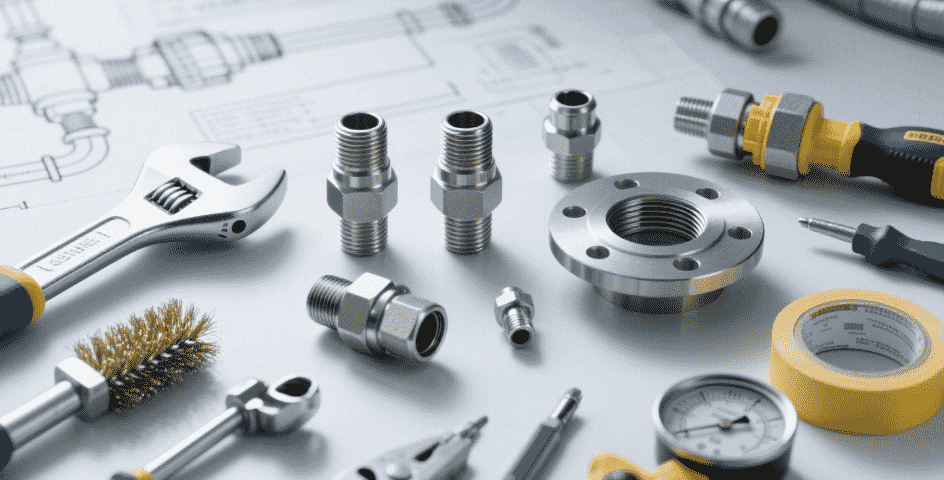
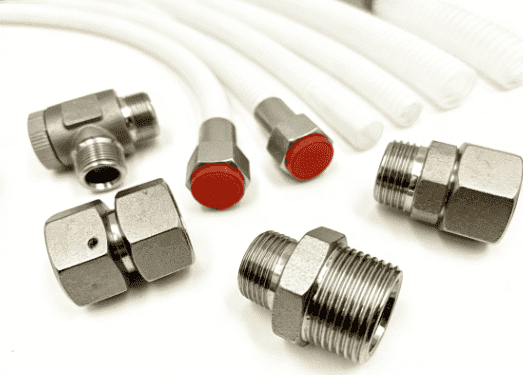
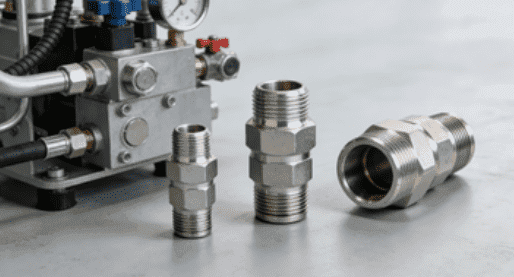
A hydraulic compression fitting is a mechanical device that joins tubes or hoses without welding or threading. By compressing a ferrule against the tube, it creates a strong seal capable of withstanding high-pressure environments.
Importance in Hydraulic Systems
These fittings protect the system from leaks and contamination, maintain fluid pressure, and prevent costly downtime. In high-performance machinery, a correctly installed fitting can significantly improve reliability.
Types of Hydraulic Compression Fittings
Single Ferrule Fittings
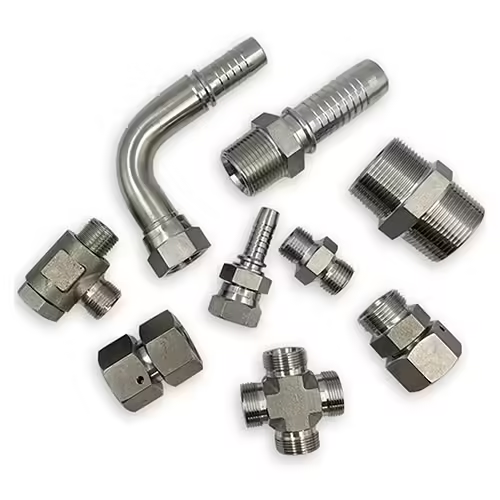
Single ferrule fittings use one compression ring to secure the tube. They are simple to install, making them ideal for medium-pressure applications. While effective, they provide moderate resistance to vibration.
Double Ferrule Fittings
Double ferrule fittings incorporate an inner and outer ferrule. The inner ferrule grips the tube, while the outer ferrule reinforces the seal. This design ensures superior vibration resistance and higher sealing reliability, particularly in high-pressure systems.
Material Choices and Their Implications
- Carbon Steel: Offers high strength, suitable for general industrial applications, but less resistant to corrosion.
- Stainless Steel: Highly resistant to corrosion, perfect for chemical or marine environments.
- Copper and Aluminum: Lightweight, commonly used in portable or low-pressure systems.
Standard-Based Fittings
Hydraulic fittings follow international and regional standards to ensure compatibility and reliability. SAE and JIC are commonly used in North America, whereas ISO and DIN standards dominate in Europe. Adhering to these standards ensures safe and consistent performance.
Concept Comparison: Single vs Double Ferrule
Single ferrule fittings are easier to install and work well for medium-pressure systems. Double ferrule fittings provide enhanced sealing and vibration resistance, making them preferable in high-pressure or high-vibration applications.
Design and Performance Considerations
Pressure and Temperature Ratings
Hydraulic compression fittings must match or exceed the system’s operating pressure and temperature. Choosing a fitting beyond these limits can cause leaks, deformation, or sudden failure.
Tube Compatibility and Flow Efficiency
The internal diameter, wall thickness, and material of the tube affect flow and sealing performance. Correctly matched fittings maintain hydraulic efficiency and minimize turbulence.
Durability and Longevity
High-quality fittings are designed to resist wear, corrosion, and fatigue. Selecting the right material and ferrule type directly impacts the lifespan of the hydraulic system.
Proper Installation of Hydraulic Compression Fittings
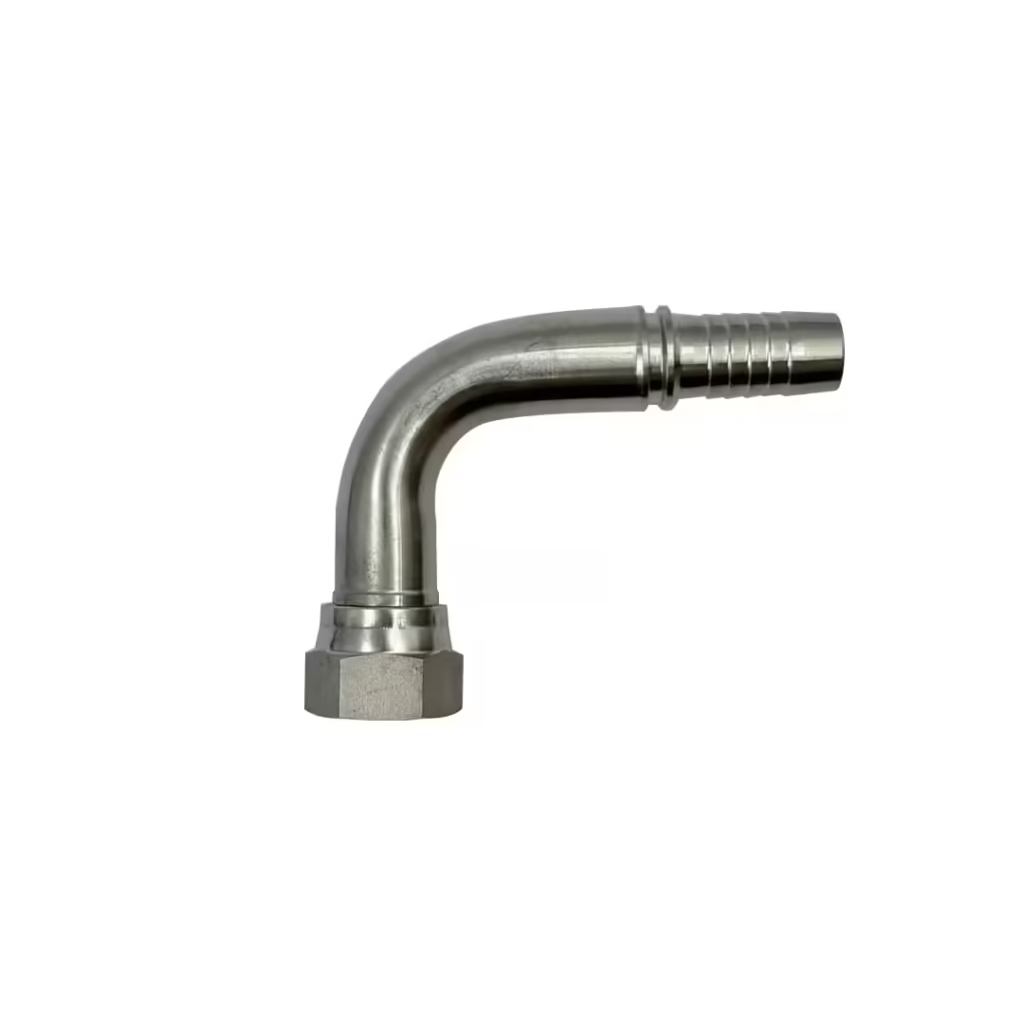
Preparing for Installation
Always inspect fittings and tubes for damage or debris. Clean tube ends and ensure cuts are square to prevent leaks.
Step-by-Step Installation
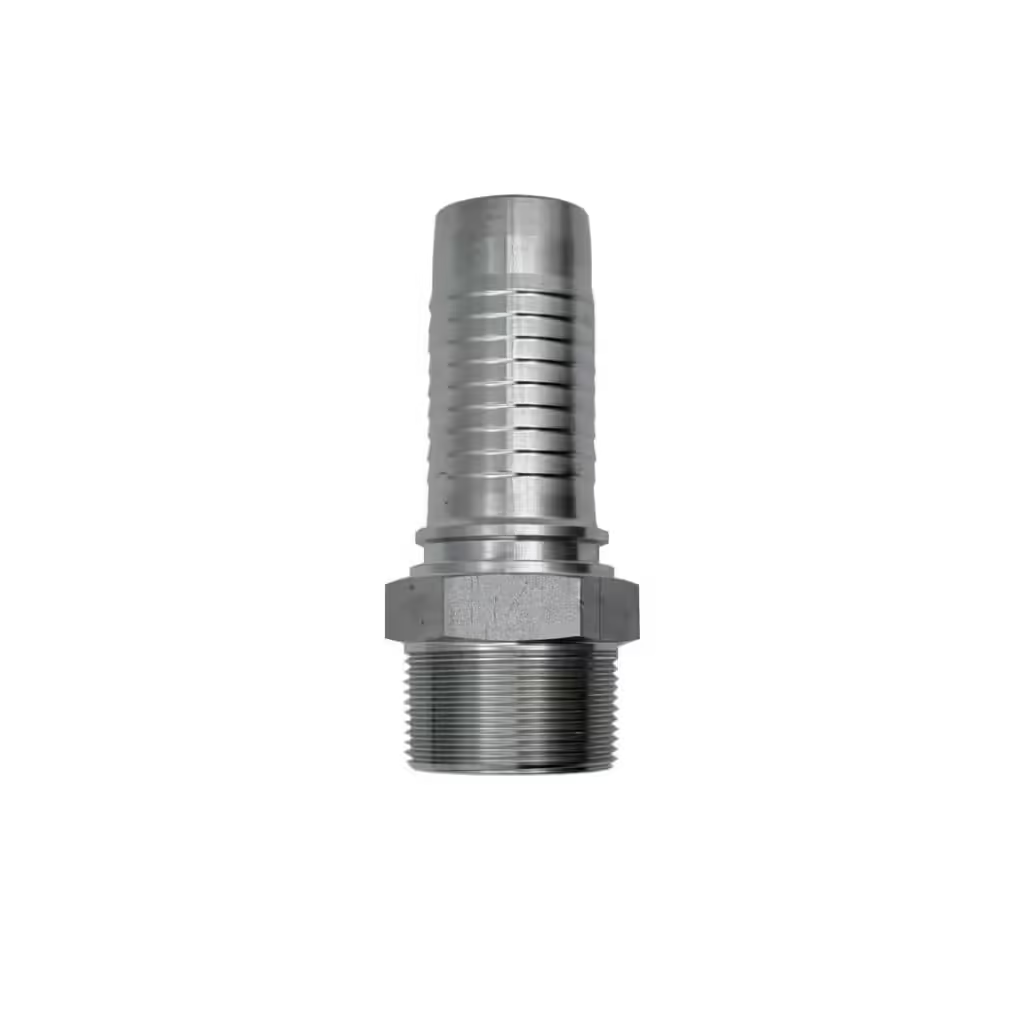
Insert the tube into the fitting body, position the ferrule correctly, and tighten the nut to the manufacturer’s recommended torque.
Avoiding Common Mistakes
Over-tightening can damage threads and ferrules, while cross-threading may lead to leaks. Contaminants inside the fitting compromise the seal, so cleanliness is essential.
Applications Across Industries
Industrial Manufacturing
Hydraulic fittings connect critical components in machinery, presses, and assembly lines, where precision and reliability are paramount.
Automotive Systems
They are widely used in brake lines, fuel systems, and power steering, providing leak-free connections under demanding conditions.
Energy, Chemical, and Marine
Stainless steel or corrosion-resistant fittings maintain integrity in harsh environments, such as offshore platforms and chemical plants.
Maintenance and Troubleshooting


Routine Inspection
Regularly check for loose fittings, leaks, or signs of corrosion. Early detection prevents costly failures and system downtime.
Common Issues and Solutions
Leaks often arise from improper ferrule installation or damaged tubing. Pressure drops may be caused by air or blockages. Vibration can loosen fittings, especially in high-motion applications. Solutions include reinstalling ferrules, replacing damaged components, flushing lines, or using double ferrule fittings for added stability.
Selecting the Right Hydraulic Compression Fittings
Pressure and Temperature Considerations
Always select fittings rated for the system’s maximum operating pressure and temperature.
Material Selection
Choose materials based on environmental conditions: carbon steel for general use, stainless steel for corrosive environments, and copper/aluminum for lightweight, low-pressure systems.
Ferrule Type Decisions
Single ferrule fittings are simpler and suitable for medium pressures. Double ferrule fittings offer superior sealing and vibration resistance for high-pressure or high-vibration systems.
Concept Comparison: Material Choices
| Material | Strength | Corrosion Resistance | Typical Application |
|---|---|---|---|
| Carbon Steel | High | Low | General industrial use |
| Stainless Steel | High | High | Marine, chemical systems |
| Copper/Aluminum | Moderate | Moderate | Lightweight, low-pressure |
Industry Standards and Certifications

ISO 8434
Defines international requirements for tube fittings used in hydraulic applications.
SAE J514 / J1453
North American standards ensuring compatibility, reliability, and safety in industrial hydraulic systems.
ASTM Standards
Specify material quality and performance testing to ensure safe and durable fittings.
Conclusion
Hydraulic compression fittings are vital to maintaining leak-free, reliable hydraulic systems. A clear understanding of their types, materials, installation practices, and maintenance requirements ensures optimal system performance and longevity. Proper selection, installation, and regular inspection prevent failures and extend the life of both the fittings and the hydraulic system as a whole.
FAQ
Why do hydraulic fittings leak?
Leaks often result from improper ferrule placement, over-tightening, or damaged tubing. Reinstalling or replacing components usually resolves the issue.
How do I choose the right fitting for my system?
Consider system pressure, temperature, fluid type, and material compatibility. The fitting should meet or exceed all system requirements.
Can hydraulic fittings be reused?
Some fittings, particularly double ferrule types, can be reused with careful inspection. Single ferrule fittings are usually intended for one-time installation.
Single vs Double Ferrule: which should I choose?
Single ferrule fittings are easier to install and suitable for medium-pressure systems. Double ferrule fittings provide superior sealing and vibration resistance for high-pressure applications.