Table of Contents
Introduction
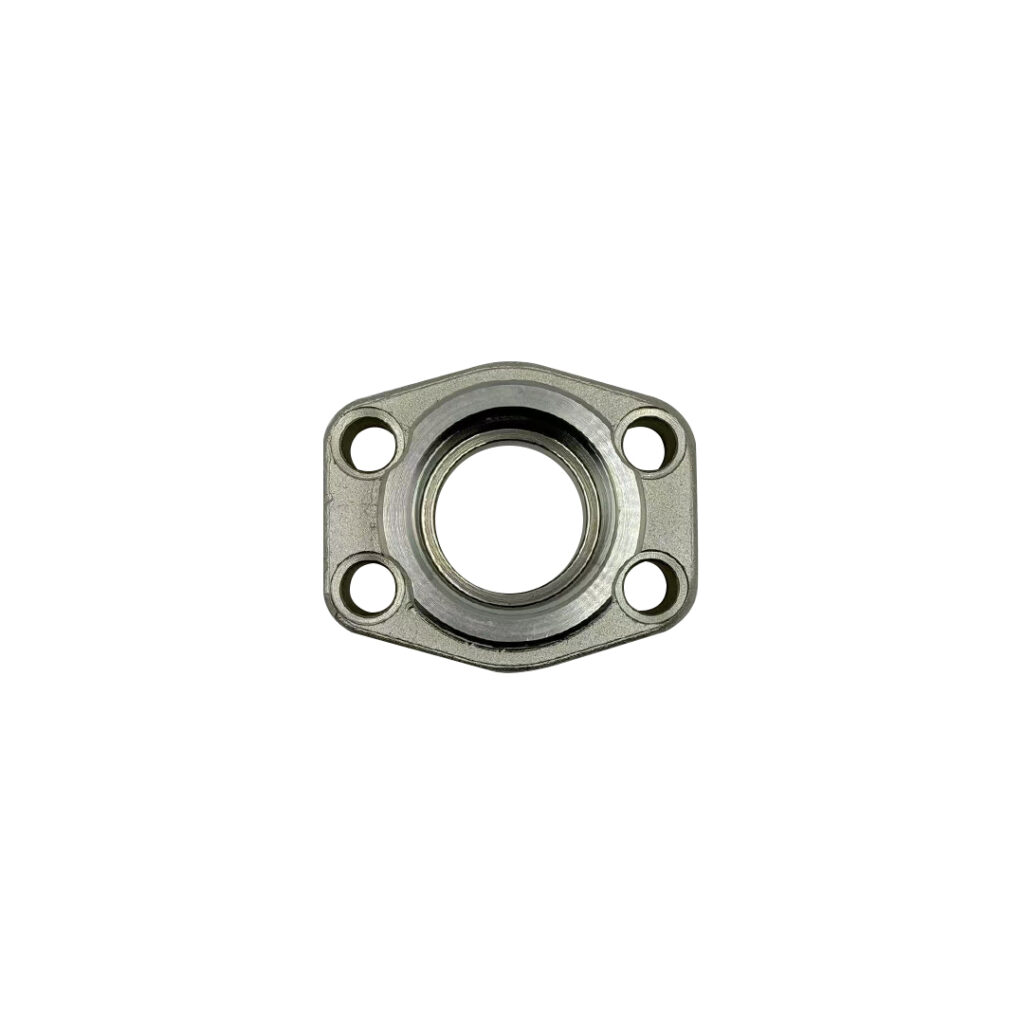
Flange-connected are widely used in industrial piping systems due to their strength, reliability, and ease of maintenance. A flanged joint allows pipes, valves, and equipment to be securely connected while still being easily disassembled for inspection or repair. This makes flange-connected systems essential in industries where safety, durability, and flexibility are required.
What Does Flange-connected Mean in Piping Systems?
In piping systems, “flanged” refers to a type of connection where two components are joined using flanges bolted together with a gasket in between. This design ensures a tight seal while allowing easy disassembly without cutting or welding pipes.
Types of Flange-connected
Different flange-connected types are used depending on system requirements:
- Weld Neck Flange – Ideal for high-pressure and high-temperature systems
- Slip-On Flange – Easy to install, suitable for low-pressure applications
- Blind Flange – Used to close pipe ends or system openings
- Threaded Flange – Allows connection without welding
- Socket Weld Flange – Used for small-diameter high-pressure pipelines
Materials Used in Flanged Systems
Flange-connected components are manufactured using different materials based on application needs:
| Material | Characteristics | Typical Applications |
|---|---|---|
| Carbon Steel | Strong and cost-effective | General industrial pipelines |
| Stainless Steel | Corrosion-resistant and durable | Chemical and marine systems |
| Alloy Steel | High temperature and pressure resistance | Power plants and heavy industry |
| Cast Iron | Good compressive strength | Low-pressure systems |
How to Choose the Right Flanged Connection
Selecting the right flange-connected system requires evaluating several factors:
- Pressure rating (Class 150, 300, etc.)
- Temperature resistance requirements
- Fluid type and corrosion potential
- Pipe size and compatibility
- Gasket material selection
Proper selection ensures system safety, efficiency, and long-term durability.
Installation Tips for Flanged Connections
- Ensure flange-connected faces are clean and smooth
- Use the correct gasket type for sealing
- Align bolts evenly before tightening
- Tighten bolts in a cross pattern for uniform pressure
- Avoid over-tightening to prevent deformation
Maintenance Tips
- Inspect flange joints regularly for leaks
- Replace worn or damaged gaskets promptly
- Check bolt torque in high-vibration systems
- Clean flange surfaces during maintenance shutdowns
Advantages of Flanged Connections

- Easy installation and disassembly
- High sealing reliability
- Suitable for high-pressure systems
- Simplifies maintenance and inspection
- Long service life with proper maintenance
Conclusion
A flange-connected is a critical component in modern piping systems, offering both strength and flexibility. By selecting the right type, material, and installation method, industries can ensure safe, efficient, and long-lasting pipeline performance. Proper maintenance further enhances system reliability and reduces operational risks.
FAQ
What does flanged mean in piping systems?
Flange-connected refers to a connection method where two pipe components are joined using bolted flanges with a gasket to ensure a secure and leak-free seal.
Where are flange-connected used?
They are widely used in industrial piping systems, including chemical plants, water systems, oil and gas pipelines, and power plants.
What materials are used for flange-connected?
Common materials include carbon steel, stainless steel, alloy steel, and cast iron, depending on pressure and environmental conditions.
How do you prevent leaks in flange-connected joints?
Proper gasket selection, correct bolt tightening, and alignment help prevent leaks in flanged connections.
What are common issues with flange-connected systems?
Leaks, corrosion, misalignment, and bolt loosening are common issues caused by improper installation or maintenance.
Need Help Choosing the Right Flanged Solution?
If you’re unsure which flange-connected is best for your system, our experts are here to help. Contact us today for professional guidance and ensure your piping system is safe, efficient, and reliable. Don’t wait until problems occur—get in touch now to optimize your system performance!