Table of Contents
Introduction

316-grade stainless steel is one of the most widely used corrosion-resistant materials in modern engineering and manufacturing. Known for its excellent durability and chemical resistance, it is commonly used in environments where moisture, salt, and aggressive chemicals are present. Understanding its properties and applications helps in selecting the right material for long-term performance and system reliability.
What Is 316 Stainless?
316-grade stainless steel is a grade of stainless steel alloy that contains chromium, nickel, and molybdenum. The addition of molybdenum significantly improves its resistance to corrosion, especially in chloride-rich or harsh chemical environments.
Key Properties of 316 Stainless
316-grade stainless steel is valued for several important characteristics:
- Excellent corrosion resistance in harsh environments
- High strength and durability under pressure
- Strong resistance to pitting and crevice corrosion
- Good performance in high-temperature conditions
- Long service life with minimal maintenance
Industry material performance studies show that 316 stainless performs significantly better than standard 304 stainless in environments exposed to saltwater or chemical agents.
Chemical Composition Overview
| Element | Typical Content | Function |
|---|---|---|
| Chromium (Cr) | 16–18% | Corrosion resistance |
| Nickel (Ni) | 10–14% | Strength and stability |
| Molybdenum (Mo) | 2–3% | Enhanced corrosion resistance |
| Carbon (C) | ≤0.08% | Improves hardness control |
Common Applications of 316 Stainless
316-grade stainless steel is widely used across multiple industries:
- Marine and offshore equipment
- Chemical processing systems
- Food and beverage production
- Pharmaceutical equipment
- Hydraulic and piping systems
- Medical instruments
Its resistance to corrosion makes it ideal for environments where standard steel would fail quickly.
How to Choose 316 Stainless Products
When selecting 316-grade stainless steel components, consider:
- Exposure to saltwater or chemicals
- Operating temperature range
- Mechanical stress requirements
- Industry compliance standards
- Required service lifespan
Proper selection ensures maximum performance and reduces maintenance costs over time.
Maintenance Tips
- Clean surfaces regularly to prevent contamination buildup
- Inspect for early signs of corrosion in extreme environments
- Avoid mixing with incompatible metals
- Use appropriate cleaning agents for stainless surfaces
- Schedule periodic system inspections
Advantages of 316 Stainless

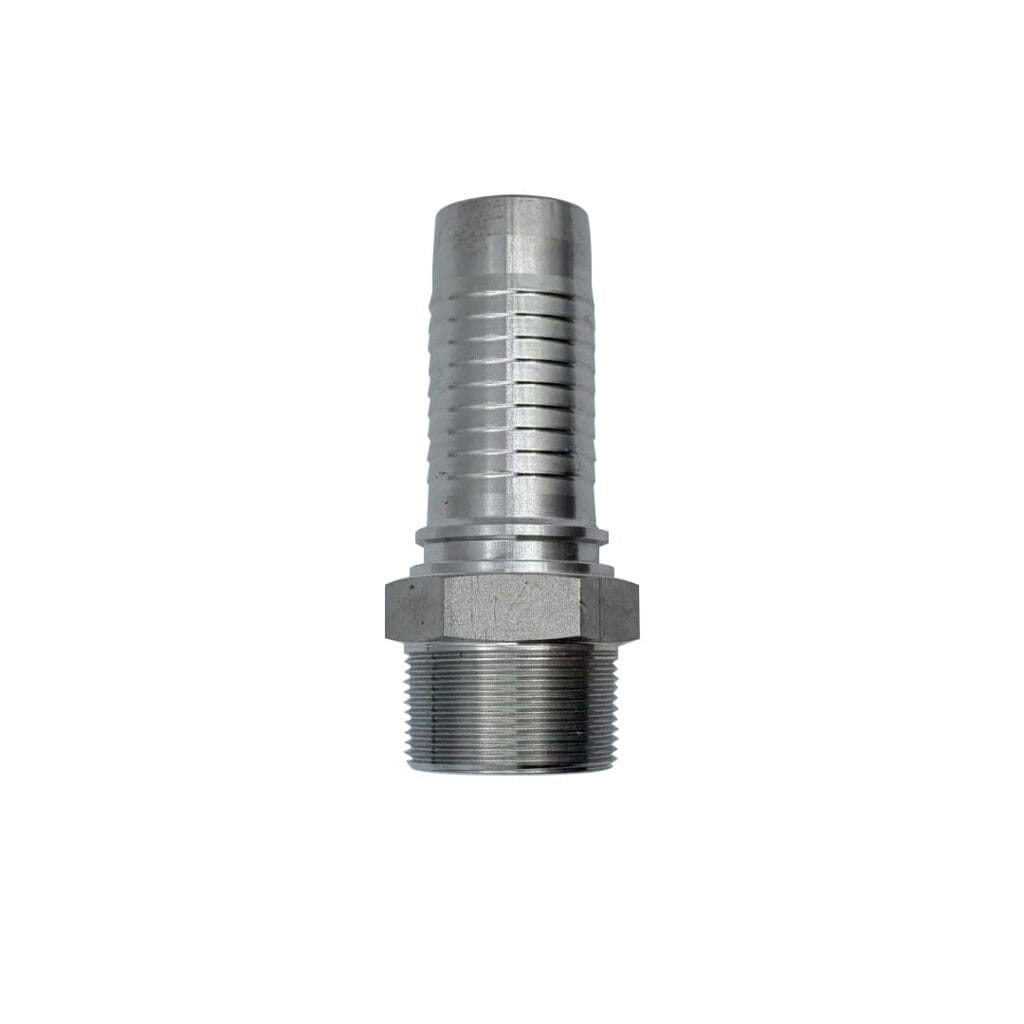
- Superior corrosion resistance
- High durability in aggressive environments
- Suitable for sanitary and industrial use
- Long operational lifespan
- Reliable performance under pressure
Conclusion
316-grade stainless steel is a high-performance material designed for demanding environments where corrosion resistance and durability are critical. Its unique composition makes it ideal for marine, chemical, and industrial applications. By selecting the right grade and maintaining it properly, industries can achieve long-term reliability and cost efficiency.
FAQ
What is 316 stainless used for?
316-grade stainless steel is used in marine equipment, chemical processing, food production, and medical applications due to its high corrosion resistance and durability.
What makes 316-grade stainless steel different from other grades?
The addition of molybdenum improves resistance to chloride corrosion, making it more suitable for harsh environments compared to standard stainless grades.
Is 316-grade stainless steel rust-proof?
It is highly corrosion-resistant but not completely rust-proof; extreme conditions can still cause corrosion over time.
Where is 316-grade stainless steel commonly used?
It is commonly used in marine structures, chemical plants, pharmaceutical equipment, and industrial piping systems.
Does 316-grade stainless steel require maintenance?
Yes, but minimal maintenance is needed. Regular cleaning and inspection help maintain performance and appearance.
Need Help Selecting the Right 316 Stainless Material?
If you’re not sure whether 316 stainless is the right choice for your application, our experts are here to help. Contact us today for professional guidance and ensure your system achieves maximum durability, safety, and performance. Don’t wait—get expert support for your project now!