Table of Contents
Introduction

When it comes to hydraulic systems, the quality and reliability of the components used are crucial for ensuring safe and efficient operations. One key component is the quick connect hydraulic fittings, which are widely used in various industries, such as automotive, agriculture, construction, and manufacturing. These fittings allow for easy connection and disconnection of hydraulic lines, which can save time and reduce the risk of errors during maintenance and repairs.
However, selecting the right quick connect hydraulic fittings is not just about convenience. It’s about ensuring they meet international standards that guarantee performance, safety, and compatibility with different hydraulic systems. This blog will discuss the five essential ISO standards that govern quick connect hydraulic fittings and explain why they are so important for ensuring quality and efficiency in your hydraulic systems.
Why ISO Standards Matter for Quick Connect Hydraulic Fittings

When it comes to hydraulic systems, one of the most critical components ensuring the overall performance, safety, and longevity of these systems are the quick connect hydraulic fittings. These fittings play an essential role in connecting and disconnecting hydraulic hoses, helping systems run more efficiently by minimizing downtime during maintenance and repairs. However, choosing the right fittings is not always straightforward. It’s not just about functionality but also ensuring that the fittings meet certain global standards to ensure optimal performance and safety.
One of the most effective ways to guarantee that quick connect hydraulic fittings perform reliably is by adhering to ISO standards. ISO, or the International Organization for Standardization, sets global benchmarks that manufacturers follow to produce hydraulic components that are consistent in quality, compatibility, and performance across various systems and geographical locations.
Why ISO standards matter:
ISO standards for quick connect hydraulic fittings are essential because they ensure that fittings are manufactured with the right specifications for pressure ratings, materials, dimensions, and durability. Adhering to these standards ensures that hydraulic systems can operate effectively, minimize the risk of leaks, and extend the lifespan of the fittings even under harsh conditions. By meeting the required ISO standards, fittings will also be compatible with a variety of hydraulic systems across different industries, from manufacturing to agriculture and aerospace.
The reliability and safety of quick connect hydraulic fittings play a crucial role in various sectors, from heavy machinery to automotive and construction. As we dive deeper into the specifics, it becomes clear that ISO standards govern key factors such as material selection, sealing effectiveness, connection types, and performance under high-pressure conditions. Let’s explore the top five ISO standards for quick connect hydraulic fittings that directly impact their functionality and quality.
1. ISO 7241: The Foundation for Hydraulic Fittings
ISO 7241 is one of the most fundamental standards for quick connect hydraulic fittings, serving as the backbone for the design and performance requirements of hydraulic quick couplings. It ensures that manufacturers create fittings that meet the essential dimensional and performance criteria necessary for safe and efficient operation in hydraulic systems.
ISO 7241-1 outlines the general requirements for quick connect hydraulic fittings, such as dimensions, pressure ratings, and materials. This standard specifies the required properties of the fittings, including their strength to withstand different pressure levels and their resistance to environmental factors like extreme temperatures and corrosion.
What makes ISO 7241 critical is its comprehensive testing procedures. These tests validate the fittings’ performance to ensure they can handle the stresses and fluid dynamics encountered during real-world operations. From the initial installation to long-term use, the standards outlined in ISO 7241 help prevent premature failure, making the fittings more reliable and cost-effective in the long run.
2. ISO 12151: Seal Compatibility for Leak-Free Connections
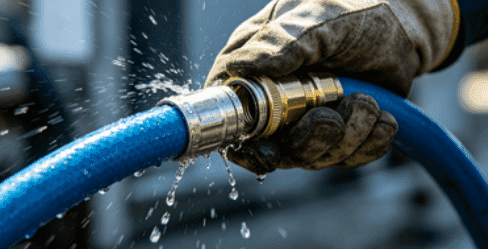
Sealing is an often overlooked but highly critical aspect of quick connect hydraulic fittings. Leaks in hydraulic systems not only lead to fluid wastage but can also create serious safety hazards, such as pressure drops, equipment damage, or even the risk of accidents. This is where ISO 12151 comes into play.
ISO 12151 focuses on the sealing requirements for quick connect hydraulic fittings, providing clear guidelines on selecting and implementing seals that ensure leak-free connections. Hydraulic systems operate under high pressures, and for seals to function effectively, they must be durable enough to handle these demanding conditions without degrading over time.
The ISO 12151 standard covers various aspects of seal performance, such as material selection, surface design, and compatibility with hydraulic fluids (oil, water, and specialized fluids). Adherence to this standard ensures that the fittings are well-suited for different applications, minimizing the risk of leaks and optimizing the overall performance of the hydraulic system.
Key considerations in ISO 12151 include:
- Material Compatibility: Choosing the right materials to withstand various hydraulic fluids.
- Seal Integrity: Ensuring the seals don’t degrade under pressure and temperature fluctuations.
- Design Specifications: Ensuring proper sealing surfaces that prevent fluid loss or contamination.
By following these guidelines, manufacturers can produce quick connect hydraulic fittings that deliver safe and leak-proof performance in high-demand environments.
3. ISO 16028: Flat-Face Quick Connect Fittings for High-Pressure Systems
In some industries, hydraulic systems must operate under extreme pressure, such as in aerospace, defense, and heavy machinery. For these applications, ISO 16028 is an essential standard that governs the design and performance of flat-face quick connect fittings.
Flat-face couplings are specially designed to minimize fluid loss during disconnection, a critical aspect for high-pressure hydraulic systems where any fluid leakage can result in system inefficiency or failure. Unlike traditional couplings, flat-face couplings don’t require additional seals to maintain pressure when disconnected, making them ideal for systems that must function under extreme conditions.
ISO 16028 specifies the dimensions, materials, and performance standards required for these flat-face fittings. It also defines the pressure ratings, flow characteristics, and compatibility with hydraulic fluids to ensure these fittings provide reliable service. The flat-face design also helps prevent contamination, as it reduces the chances of dirt entering the system when the connection is disengaged.
By adhering to ISO 16028, manufacturers ensure that quick connect hydraulic fittings used in high-pressure systems can maintain tight connections and prevent unsafe leaks, even in the most demanding environments.
4. ISO 5675: Agricultural Hydraulic Fittings
Agriculture is one of the most demanding sectors for hydraulic systems, and quick connect hydraulic fittings are indispensable in this industry. Tractors, harvesters, and other farming equipment rely on hydraulic systems to perform tasks ranging from plowing fields to operating heavy machinery. The standard that governs hydraulic connectors in this sector is ISO 5675.
ISO 5675 ensures that quick connect hydraulic fittings used in agricultural machinery are designed for ruggedness, ease of use, and durability. These fittings must be capable of withstanding the challenging environmental conditions commonly encountered in farming, such as dirt, dust, moisture, and exposure to the elements. Additionally, agricultural hydraulic fittings must be easy to connect and disconnect, even in the field, without requiring specialized tools.
The key benefit of ISO 5675 is its focus on practical functionality. It ensures that fittings used in agricultural applications can handle the specific hydraulic fluids used in this sector and operate efficiently in a wide range of conditions. Furthermore, it addresses issues related to corrosion and wear, ensuring long-lasting performance and minimal downtime in the field.
5. ISO 7241-2: Connection Types for Quick Connect Hydraulic Fittings
While ISO 7241 provides the general guidelines for quick connect hydraulic fittings, ISO 7241-2 goes further to specify the various types of connections used in these fittings. The standard outlines the different coupling designs, such as threaded, push-to-connect, and flange connections, ensuring that the fittings can meet the needs of various hydraulic systems across industries.
The primary objective of ISO 7241-2 is to ensure that the connection types used in quick connect hydraulic fittings meet the necessary performance and safety standards. The standard specifies dimensions, tolerances, and testing procedures to ensure compatibility across different hydraulic systems and applications.
By following ISO 7241-2, manufacturers can produce versatile fittings that cater to a wide range of industries, from construction to automotive and beyond. The standard ensures that no matter the type of coupling required, the fittings will perform reliably and maintain a secure connection under the most demanding conditions.
Comparison of ISO Standards for Quick Connect Hydraulic Fittings
| Standard | Focus Area | Application | Key Features |
|---|---|---|---|
| ISO 7241 | General requirements for quick connect hydraulic fittings | Industrial, automotive, construction | Dimensions, materials, pressure ratings |
| ISO 12151 | Sealing compatibility for leak-free connections | All hydraulic systems, including high-pressure | Seal material, surface design, leak prevention |
| ISO 16028 | Flat-face quick connect fittings | High-pressure systems, aerospace, heavy machinery | Fluid loss prevention, high-pressure endurance |
| ISO 5675 | Agricultural hydraulic fittings | Agricultural machinery | Durability, ease of use in outdoor conditions |
| ISO 7241-2 | Connection types for quick connect hydraulic fittings | Versatile applications across industries | Different coupling types, testing procedures |
Best Practices for Selecting ISO-Compliant Quick Connect Hydraulic Fittings

When choosing quick connect hydraulic fittings, it’s important to consider the specific needs of your system, including pressure ratings, flow rates, and environmental conditions. Adhering to the ISO standards ensures that your system will operate efficiently, safely, and with minimal downtime.
- Compatibility: Ensure that the fittings you select are compatible with other components in your system. This includes considering the correct connection types and sizes according to ISO 7241-2 and ISO 16028.
- Seal Quality: Always choose fittings that meet ISO 12151 standards for sealing to prevent leaks and enhance performance.
- Pressure Requirements: For high-pressure systems, ISO 16028 and ISO 7241 standards provide the necessary guidelines to select fittings that can handle the required pressure without compromising safety.
- Material Considerations: The material of the fittings should align with the expected operating conditions, ensuring resistance to corrosion, wear, and environmental stress.
Conclusion
ISO standards for quick connect hydraulic fittings play a crucial role in ensuring the efficiency, safety, and reliability of hydraulic systems across various industries. Whether you’re working in agriculture, manufacturing, or heavy machinery, adhering to the relevant ISO standards will help you select the right fittings for your system and ensure they perform optimally.
By following the guidelines set out by ISO 7241, ISO 12151, ISO 16028, ISO 5675, and ISO 7241-2, you can enhance the performance, durability, and safety of your hydraulic systems. Whether you’re replacing existing fittings or designing a new system, always prioritize ISO-compliant quick connect hydraulic fittings to ensure long-term success.
FAQ
Q1: What is the importance of ISO 7241 for quick connect hydraulic fittings?
ISO 7241 is crucial because it sets the general requirements for the dimensions, materials, and pressure ratings of quick connect hydraulic fittings. This ensures that the fittings are reliable and compatible with various hydraulic systems.
Q2: How do ISO standards improve the safety of hydraulic systems?
By adhering to ISO standards, such as ISO 12151 for sealing and ISO 16028 for high-pressure applications, manufacturers can produce fittings that prevent leaks, withstand high pressures, and maintain system safety.
Q3: Can I use ISO 7241-2 fittings in all types of hydraulic systems?
Yes, ISO 7241-2 covers various connection types for different applications, ensuring compatibility with a wide range of hydraulic systems.
Q4: Are ISO-compliant quick connect hydraulic fittings expensive?
While ISO-compliant fittings may initially be more expensive, their reliability, safety, and durability lead to lower maintenance costs and fewer system failures in the long run.
Q5: How often should I replace quick connect hydraulic fittings in my system?
The replacement frequency depends on the wear and tear on the fittings, the operating conditions, and how well they adhere to ISO standards. Regular inspections and maintenance will help determine the best time for replacement.