Table of Contents
Introduction
In industrial applications, the choice of materials for hose fittings plays a crucial role in determining the efficiency, safety, and durability of fluid systems. Two common materials used for hose fittings are stainless steel and brass. While brass fittings are often cheaper, stainless steel hose fittings offer a wide range of advantages that make them the preferred choice for many industries. In this blog, we will discuss seven key advantages of choosing stainless steel hose fittings over brass, focusing on aspects such as corrosion resistance, durability, maintenance, and cost-effectiveness. By the end of this guide, you will have a better understanding of why stainless steel hose fittings are a smart investment for your industrial applications.
NO 1. Corrosion Resistance: The Key Advantage of Stainless Steel Hose Fittings
One of the primary reasons stainless steel hose fittings are often preferred over brass is their superior corrosion resistance. Brass fittings can corrode or degrade over time when exposed to moisture, chemicals, or other corrosive substances. In contrast, stainless steel is highly resistant to corrosion, making it ideal for applications in harsh environments, such as chemical processing, food processing, and marine industries.
Stainless steel’s ability to withstand corrosion ensures that your fittings maintain their integrity and functionality for a longer period, which can reduce maintenance costs and downtime.
Why is Corrosion Resistance Important?
Corrosion in brass fittings can result in increased maintenance needs, unexpected downtime, and potential system failures. This can lead to costly repairs, lost productivity, and more frequent replacements. Stainless steel hose fittings, however, can withstand exposure to moisture, acids, alkalis, and many other corrosive substances, ensuring that your systems operate smoothly for longer periods without the need for frequent replacements.
For industries such as chemical processing, food manufacturing, and marine applications, corrosion resistance is non-negotiable. Stainless steel provides long-lasting, reliable performance even under the harshest conditions, making it an invaluable choice for systems that require high integrity over time.
NO 2. Durability and Longevity of Stainless Steel Hose Fittings
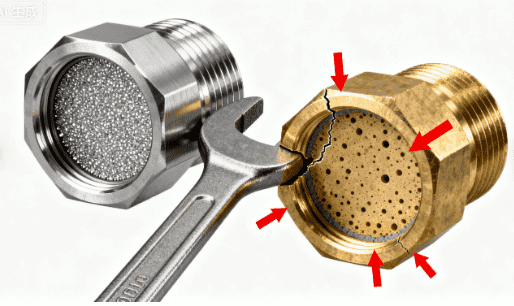
Stainless steel is known for its strength and durability, which makes it a superior material for hose fittings. Brass, while relatively strong, tends to wear down faster under high-pressure conditions, intense temperatures, and heavy-duty usage. Stainless steel hose fittings, on the other hand, are built to endure extreme conditions without compromising performance.
How Does Durability Benefit You?
The durability of stainless steel hose fittings translates to a longer lifetime for your fluid systems. This longevity means fewer replacements and reduced downtime, leading to overall savings in the long run. Systems equipped with stainless steel fittings experience less wear, meaning they remain functional and reliable for much longer, which is essential for critical systems that cannot afford any operational disruptions.
By investing in stainless steel fittings, you can ensure continuous, uninterrupted operation and avoid the frequent replacement cycles required by brass fittings. This benefit is especially valuable in industries that rely on high-stress, high-demand systems such as aerospace, oil and gas, and heavy manufacturing.
NO 3. Resistance to High-Pressure Systems
Stainless steel hose fittings are more capable of withstanding high-pressure environments than brass. In industries such as oil and gas, where high-pressure systems are common, the strength of stainless steel is critical to preventing accidents and ensuring smooth operation. Brass fittings can struggle to maintain structural integrity under pressure, leading to risks such as leaks, ruptures, or system failures.
Why is High-Pressure Resistance Important?
High-pressure systems pose a significant risk to safety and efficiency if the components are not built to handle the stress. Fittings that fail under pressure can lead to leaks, ruptures, or catastrophic system failure, causing dangerous situations and potentially hazardous conditions. Stainless steel, however, has the strength to handle these extreme conditions without compromising its structural integrity. This resistance to high-pressure situations makes stainless steel the material of choice for critical operations in sectors like oil, gas, and chemical industries.
NO 4. Cost-Effectiveness in the Long Run
While stainless steel hose fittings may have a higher upfront cost compared to brass, they often prove to be more cost-effective in the long run. The durability and corrosion resistance of stainless steel mean fewer replacements, lower maintenance costs, and reduced downtime. Brass fittings, due to their lower durability, may need to be replaced more frequently, leading to higher long-term costs.
Comparing Long-Term Costs
It’s essential to consider the total cost of ownership when selecting hose fittings. While the upfront cost of stainless steel may be more expensive, its longer lifespan, reduced maintenance needs, and greater reliability can save you money in the long term. In fact, industries that operate under high-demand conditions or in harsh environments often find that the additional cost of stainless steel hose fittings is quickly offset by the savings in repairs, replacements, and operational downtime.
NO 5. Better Chemical Resistance for Harsh Environments
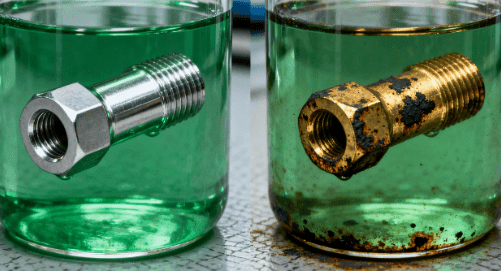
Stainless steel is known for its chemical resistance, making it an excellent choice for applications where the fittings are exposed to aggressive chemicals. Brass, on the other hand, is susceptible to corrosion when exposed to acidic or alkaline substances. In industries like chemicals, pharmaceuticals, and food processing, stainless steel hose fittings ensure that your systems remain intact, even when exposed to harsh chemicals.
How Does Chemical Resistance Help?
In industries like chemicals, food processing, or pharmaceuticals, it’s vital to ensure that the integrity of your system is maintained when exposed to harsh substances. Stainless steel hose fittings provide peace of mind by preventing chemical degradation, ensuring your systems continue to perform at peak efficiency, and protecting against system failure caused by chemical exposure.
NO 6. The Aesthetic Advantage of Stainless Steel Hose Fittings
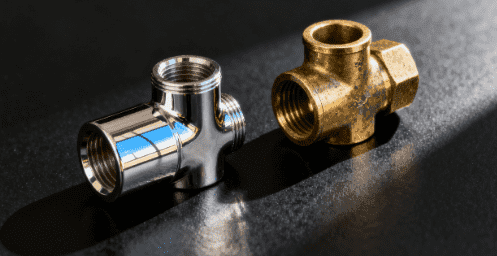
While functionality is paramount, the aesthetic appeal of stainless steel hose fittings should not be overlooked. Stainless steel has a sleek, modern appearance that is often preferred in visible applications, such as food processing or pharmaceutical facilities, where cleanliness and appearance are important. Brass fittings, while functional, may not offer the same clean, polished look.
Why is Aesthetic Appeal Important?
In certain industries, the appearance of equipment matters just as much as its functionality. Stainless steel hose fittings provide a visually appealing solution, especially in industries where cleanliness and presentation are critical. The sleek finish of stainless steel not only promotes a clean environment but also reflects the high standards of the operation.
NO 7. Environmental Benefits of Stainless Steel Hose Fittings
Stainless steel is a sustainable material that is fully recyclable. In contrast to brass, which contains copper, stainless steel has a lower environmental impact. Choosing stainless steel hose fittings helps reduce your carbon footprint, contributing to more sustainable business practices.
How Does Sustainability Matter?
Sustainability is becoming more important to consumers, industries, and regulatory bodies. Companies are seeking eco-friendly solutions that reduce waste and environmental impact. Stainless steel’s recyclability makes it a great choice for businesses looking to meet their environmental goals while maintaining high-quality operations.
Table: Cost Comparison of Stainless Steel vs Brass Hose Fittings
| Feature | Stainless Steel Hose Fittings | Brass Hose Fittings |
|---|---|---|
| Corrosion Resistance | Excellent | Moderate |
| Durability | High | Medium |
| Pressure Resistance | High | Moderate |
| Chemical Resistance | Excellent | Low to Moderate |
| Maintenance | Low | High |
| Upfront Cost | High | Low |
| Long-Term Cost Effectiveness | High | Low |
| Environmental Impact | Low | Moderate to High |
Conclusion
In conclusion, while brass hose fittings may seem like an affordable option initially, stainless steel hose fittings offer a wide range of benefits that make them the more cost-effective, reliable, and durable choice in the long term. With superior corrosion resistance, durability, and chemical resistance, stainless steel hose fittings are well-suited for high-pressure systems and harsh environments. By choosing stainless steel over brass, you ensure the longevity, efficiency, and safety of your fluid systems, making it a smart investment for any industrial application.
FAQ
Are stainless steel hose fittings always more expensive than brass?
Stainless steel hose fittings generally have a higher upfront cost compared to brass. However, due to their durability and long lifespan, they can be more cost-effective in the long run.
Can stainless steel hose fittings be used in high-pressure applications?
Yes, stainless steel hose fittings are highly resistant to high-pressure conditions, making them ideal for applications in industries like oil and gas, chemical processing, and manufacturing.
What are the environmental benefits of choosing stainless steel hose fittings?
Stainless steel is a sustainable and recyclable material, making it an eco-friendly choice compared to brass, which contains copper and has a higher environmental impact.
Why is corrosion resistance important in hose fittings?
Corrosion resistance ensures that your hose fittings maintain their structural integrity and performance, even in harsh environments or when exposed to chemicals or moisture.
How do stainless steel hose fittings help reduce maintenance costs?
The durability and corrosion resistance of stainless steel hose fittings reduce the need for frequent replacements and repairs, ultimately lowering maintenance costs over time.