Table of Contents
Choosing the right hose and connectors for your garden is essential for creating an efficient, leak-free irrigation system. A well-selected hose ensures adequate water flow to your plants, while high-quality connectors prevent leaks and reduce maintenance needs. This guide will walk you through everything you need to know to select, install, and maintain your garden hoses and connectors for optimal performance and long-term durability.
Introduction
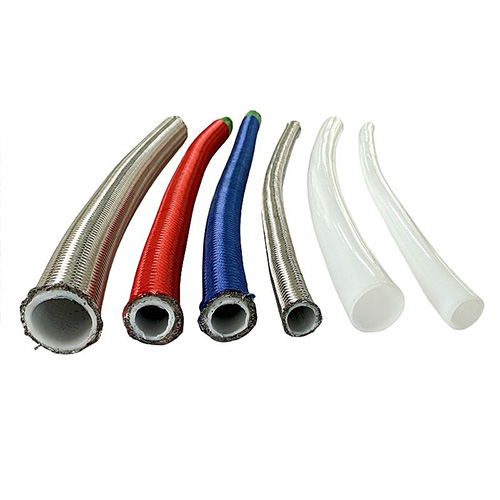
Hoses are flexible tubes designed to transport water from a source to your garden plants, while connectors serve as the junctions that link hoses to taps, sprinklers, or other hoses. Selecting the correct combination is critical to avoid leaks, reduce water waste, and extend the lifespan of your irrigation system. According to research from industry irrigation studies, even a small leak in a connector can waste up to 20 liters of water per day if left unattended, emphasizing the importance of proper selection and maintenance.
Types of Garden Hoses
Garden hoses come in several types, each suitable for different needs:
Rubber Hoses: These are durable and flexible, suitable for heavy-duty use. Rubber hoses resist kinks and can withstand higher water pressures, making them ideal for larger gardens.
Vinyl Hoses: Lightweight and inexpensive, vinyl hoses are easy to handle but may crack under extreme temperatures or over time.
Reinforced or Hybrid Hoses: These combine layers of materials, such as rubber and polyester, to provide high durability and pressure resistance. They are often recommended for long-term outdoor use.
Expandable Hoses: These hoses expand when water flows and contract when not in use, making them convenient for storage. However, they may not be suitable for high-pressure systems.
Types of Hose Connectors
The choice of connectors is just as important as the hose itself:
Quick-Connect Fittings: These connectors allow you to attach and detach hoses quickly, ideal for systems where frequent assembly is required.
Threaded Connectors: These provide a strong, reliable connection suitable for high-pressure applications.
Brass vs Plastic Connectors: Brass connectors are more durable and corrosion-resistant, while plastic connectors are lightweight and affordable.
Specialty Connectors: These include misting adapters, splitters, or sprinkler connectors for customized irrigation setups.
Material Considerations
The materials of hoses and connectors determine durability, corrosion resistance, and flexibility. Rubber and reinforced hoses offer high pressure tolerance and durability, while vinyl hoses are lighter but less robust. Connectors made from brass or stainless steel resist corrosion and last longer than plastic alternatives, particularly in outdoor environments exposed to sun, rain, and temperature fluctuations.
Hose Length and Diameter
Choosing the correct hose length and diameter affects water flow and ease of use:
Length: Measure the distance from your water source to the farthest plants to avoid stretching the hose or needing multiple extensions.
Diameter: Common garden hose diameters are 1/2, 5/8, and 3/4 inch. A larger diameter provides higher water flow but may be less flexible, while a smaller diameter offers easier handling but can limit water supply.
Here’s a reference table for choosing hose length and diameter based on garden size and water needs:
| Garden Size | Recommended Hose Length | Diameter | Notes |
|---|---|---|---|
| Small (up to 30m²) | 15–25 ft | 1/2 inch | Light watering, easy to handle |
| Medium (30–100m²) | 50–75 ft | 5/8 inch | Balanced flexibility and flow |
| Large (100–200m²) | 100+ ft | 3/4 inch | Maximum flow, best for sprinklers |
| Specialized irrigation | Custom | 5/8–3/4 inch | For drip lines or mist systems |
Installation Tips for Garden Hoses and Connectors
Correct installation prevents leaks and extends product life:
Proper Assembly: Clean the hose ends, ensure connectors are fully seated, and tighten according to the manufacturer’s instructions.
Avoiding Common Mistakes: Avoid bending hoses sharply, twisting connectors, or over-tightening threaded fittings, which can damage the components.
Seasonal Storage Tips: Drain hoses during winter to prevent freezing, and store them away from direct sunlight to avoid UV damage.
Maintenance for Longevity
Regular maintenance ensures your hoses and connectors remain functional for years:
Cleaning and Inspection: Rinse hoses and connectors periodically, check for cracks, corrosion, or worn seals.
Leak Prevention: Replace damaged washers or O-rings to maintain a secure, leak-free connection.
Winter and Summer Care: During winter, store hoses indoors or drain completely to prevent freezing; in summer, avoid leaving hoses in direct sun for long periods.
Troubleshooting Common Problems
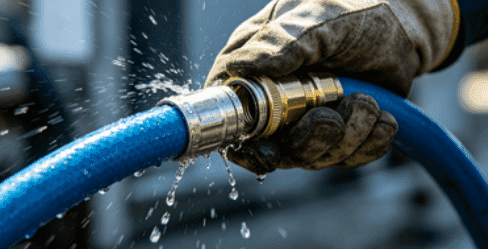
Leaks at connector joints: Usually caused by worn washers or improper assembly; replacing the washer or retightening the connection typically resolves this.
Kinks or Blockages: Straighten hoses and check for debris to restore water flow.
Reduced Water Pressure: Inspect the hose diameter and connectors for obstructions, and consider upgrading to larger hoses if necessary.
Connector Wear or Corrosion: Replace connectors made of plastic or low-grade metal if exposed to extreme conditions.
Buying Guide and Recommendations
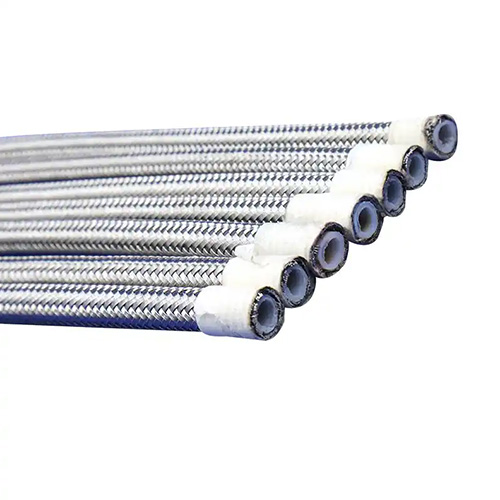
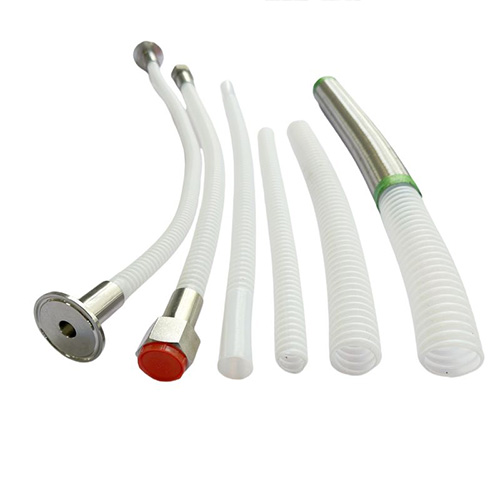
Top Brands and Quality Indicators: Look for connectors with corrosion-resistant materials, leak-proof seals, and positive user reviews.
Budget vs Premium Options: While premium hoses and connectors cost more initially, their durability and reduced maintenance often provide better long-term value.
Where to Buy: Garden centers, online distributors, and specialty irrigation suppliers offer a wide selection. Always check material specifications and compatibility with your existing system.
Conclusion
Choosing the right hose and connectors for your garden is more than picking a length and color. By understanding types, materials, installation techniques, and maintenance practices, you can ensure efficient water delivery, prevent leaks, and extend the life of your irrigation system. Invest in high-quality hoses and connectors, follow proper care routines, and your garden will enjoy consistent, reliable watering for years to come.
FAQ
What are hose and connectors?
Hose and connectors are components that link hoses to taps, sprinklers, or other hoses, ensuring a secure and leak-free water flow.
How do I choose the right hose and connectors for my garden?
Consider hose length, diameter, material, and connector type based on your garden size, water pressure, and usage needs.
How do I maintain hose and connectors for long-term use?
Regularly clean hoses and connectors, inspect for wear or corrosion, and replace damaged washers or O-rings promptly.
Can hose and connectors handle high water pressure?
Yes, but you should choose reinforced hoses and durable connectors made from brass or stainless steel for high-pressure systems.
Where can I buy quality hose and connectors?
They are available from garden centers, online retailers, and specialized irrigation suppliers. Look for corrosion-resistant materials and positive reviews.
Need Help Choosing the Right Hose and Connectors?
If you’re unsure which hose and connectors are best for your garden or irrigation system, our experts are here to help. Contact us today for a personalized consultation, and ensure your watering system is efficient, leak-free, and long-lasting. Don’t wait until problems arise—get in touch now to protect your garden and keep your plants thriving!