Table of Contents
Introduction

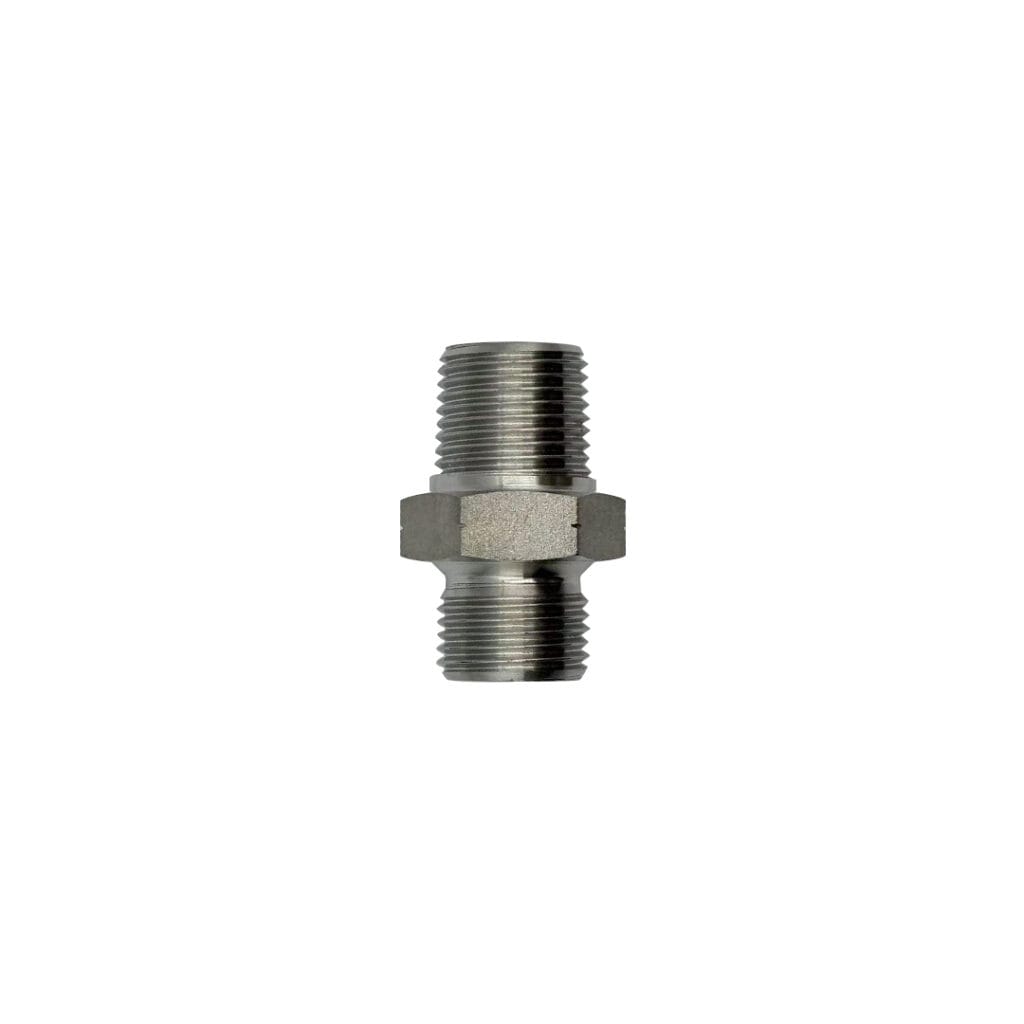
A galvanized nipple is a short length of pipe with male threads on both ends, designed to connect two fittings or extend an existing pipeline. What makes it different from a standard pipe nipple is the zinc coating applied to its surface, which significantly improves resistance to corrosion.
In practical terms, if you are working with plumbing, construction, or industrial piping systems, you will encounter galvanized nipples frequently. They are valued for their balance of durability, affordability, and ease of installation. According to general corrosion engineering data referenced in materials handbooks such as ASM standards, zinc coatings can extend the service life of steel components in moderate environments by several years compared to uncoated steel.
How a Galvanized Nipple Works
The working principle of a galvanized pipe nipple is straightforward. It acts as a connector between two threaded components. Once screwed into place, it forms a tight mechanical seal, especially when combined with thread sealing materials such as PTFE tape or pipe sealant.
Because both ends are threaded, the galvanized nipple allows for quick assembly and disassembly. This is particularly useful when you need to modify or repair a system without cutting pipes. In real-world installations, this feature can save both labor time and operational downtime.
Types of Galvanized Nipple
There are several types of galvanized pipe nipples, each designed for specific applications.
Standard threaded galvanized nipples are the most widely used and are suitable for general plumbing systems.
Close nipples are extremely short and are used when minimal spacing between fittings is required. Hex nipples include a hexagonal section in the middle, allowing for easier tightening with a wrench.
Long and short galvanized nipples differ in length, depending on the distance required between connections. Seamless nipples are manufactured without welding seams, offering higher strength, while welded nipples are more cost-effective for standard applications.
In industrial settings, heavy-duty variants are designed for higher pressure and mechanical stress.
Galvanized Nipple Sizes and Standards
Galvanized pipe nipples are available in a wide range of sizes, typically defined by nominal pipe size and length. Standardization ensures compatibility across different systems.
Below is a simplified reference table:
| Nominal Size | Common Length Range | Typical Use |
|---|---|---|
| 1/2 inch | 1–12 inches | Residential plumbing |
| 1 inch | 2–24 inches | General piping systems |
| 2 inches | 4–36 inches | Industrial pipelines |
| 4 inches+ | Custom lengths | Heavy-duty applications |
Most galvanized nipples follow recognized standards for threading and dimensions, ensuring interchangeability. Schedule ratings such as Schedule 40 and Schedule 80 indicate wall thickness and pressure tolerance.
Materials and Manufacturing Process
Galvanized pipe nipples are typically made from carbon steel or alloy steel. The key step in production is galvanization, which involves coating the steel with zinc.
The most common method is hot-dip galvanizing, where the steel is immersed in molten zinc. This creates a metallurgical bond that provides long-lasting protection. Another method, electro-galvanizing, uses an electric current to deposit zinc but generally produces a thinner coating.
According to industry coating standards such as ISO 1461, hot-dip galvanized coatings can significantly improve corrosion resistance in outdoor and humid environments.
Advantages of Using Galvanized Nipple
One of the main advantages is corrosion resistance. The zinc coating acts as a protective barrier, preventing moisture and oxygen from reaching the steel.
Another benefit is cost efficiency. Compared to stainless steel alternatives, galvanized pipe nipples offer a lower initial cost while still providing adequate durability for many applications.
They are also easy to install, requiring only basic tools and minimal technical expertise. This makes them suitable for both professional engineers and general users.
In addition, galvanized pipe nipples are widely available and compatible with a variety of piping systems, which simplifies procurement and replacement.
Galvanized Nipple vs Other Pipe Nipples
When comparing galvanized pipe nipples to other types, the main differences lie in material performance and application.
Compared to black pipe nipples, galvanized versions offer better corrosion resistance but may be less suitable for high-temperature environments.
When compared to stainless steel nipples, galvanized nipples are more affordable but generally offer lower resistance to extreme corrosion or chemical exposure.
Choosing between these options depends on your specific requirements, including environment, budget, and system design.
Applications of Galvanized Nipple
Galvanized pipe nipples are used across a wide range of industries.
In water supply systems, they provide reliable connections with moderate corrosion protection. In construction, they are commonly used in structural piping and infrastructure projects.
They are also found in fire protection systems, where durability and reliability are essential. In agricultural and irrigation systems, galvanized nipples are valued for their ability to withstand outdoor conditions.
For outdoor plumbing, the zinc coating helps resist weather-related corrosion, making them a practical choice for exposed installations.
How to Install a Galvanized Nipple Correctly
Installation starts with ensuring that the threads are clean and free of debris. Apply a sealing material such as PTFE tape to prevent leakage.
Next, screw the galvanized pipe nipple into the fitting by hand, then tighten it using a wrench. It is important not to overtighten, as this can damage the threads or coating.
Proper alignment is also essential. Misaligned connections can lead to uneven stress and eventual failure.
Common mistakes include insufficient sealing, over-tightening, and using mismatched thread sizes.
Common Problems and Solutions
Over time, galvanized pipe nipples may develop issues such as corrosion, leakage, or thread damage.
Corrosion typically occurs when the zinc coating wears away, exposing the underlying steel. This is more likely in highly humid or chemically aggressive environments.
Leakage often results from improper installation or degraded sealing materials. Replacing the seal and ensuring proper tightening can usually resolve the issue.
Thread damage can occur if excessive force is applied during installation. In such cases, replacing the component is the safest solution.
How to Choose the Right Galvanized Nipple
Selecting the right galvanized pipe nipple involves several factors.
First, consider the size and length required for your system. Next, evaluate the pressure and temperature conditions. Higher pressure systems may require thicker wall schedules.
Material compatibility is also important. Ensure that the galvanized coating is suitable for the fluid being transported.
Finally, balance cost and performance. While galvanized pipe nipples are cost-effective, certain applications may require more advanced materials.
Maintenance and Lifespan

Regular inspection is key to maintaining performance. Look for signs of corrosion, leakage, or physical damage.
Cleaning the surface and replacing worn seals can extend the lifespan. In moderate environments, galvanized nipples can last for many years, as supported by corrosion studies in engineering reference materials.
Proper installation and periodic maintenance are the most effective ways to ensure long-term reliability.
Conclusion
Galvanized pipe nipples play a fundamental role in modern piping systems by offering a reliable, cost-effective, and easy-to-install connection solution. Whether you are designing a new system or maintaining an existing one, understanding how these components work will help you make better decisions.
By selecting the right size, material, and installation method, you can ensure long-term performance and system efficiency. In many applications, galvanized nipples remain a practical and dependable choice for both industrial engineers and everyday users.
FAQ
What is a galvanized nipple?
A galvanized nipple is a short threaded pipe coated with zinc, used to connect two fittings or extend a piping system.
What is a galvanized nipple used for?
It is used in plumbing and industrial piping to create secure, corrosion-resistant connections between pipes or components.
Are galvanized nipples suitable for outdoor use?
Yes, the zinc coating provides protection against moisture and weather, making them suitable for outdoor applications.
How do you install a galvanized nipple?
It is installed by threading it into fittings and using sealing materials like PTFE tape to ensure a leak-free connection.
How long does a galvanized nipple last?
Its lifespan depends on the environment, but it can last for many years under normal conditions with proper maintenance.
Need Help Choosing the Right Galvanized Nipple?
If you’re unsure which galvanized nipple is best for your piping system, pressure requirements, or specific application, our experts are here to help. Contact us today for a personalized consultation and get reliable, durable, and cost-effective solutions tailored to your needs. Don’t wait until leaks or corrosion become a problem—get in touch now to ensure long-lasting performance and efficiency in your pipeline system!