Table of Contents
Hydro hoses are essential components in hydraulic systems, connecting pumps, valves, cylinders, and other equipment to enable fluid power transfer. Despite their robust design, hydraulic hoses can experience issues that compromise system performance, safety, and efficiency. Understanding common problems and knowing how to address them can save you significant repair costs and prevent downtime. According to data from the Fluid Power Journal, improper installation or worn hoses account for over 30% of hydraulic system failures.
Introduction

A hydraulic hose is a flexible conduit designed to transport hydraulic fluid under pressure. These hoses come in various sizes and pressure ratings, tailored to different industrial, automotive, and machinery applications. Using the correct hydro hose ensures efficient fluid transfer, minimizes leaks, and prolongs the lifespan of your hydraulic system. Neglecting hose maintenance or selecting the wrong type can result in leakage, system inefficiency, or even catastrophic failure.
Types of Hydro Hose
There are several types of hydraulic hoses, each suitable for different scenarios:
- Standard Hydraulic Hydro Hose: Common in moderate-pressure systems, these hoses balance durability and flexibility.
- High-Pressure Hydro Hose: Designed to withstand extreme pressure, often reinforced with steel braiding or synthetic fibers.
- Flexible and Industrial Hydro Hose: Offers adaptability for machinery requiring frequent movement or complex routing.
Choosing the right type depends on pressure rating, flexibility, and the operating environment of your system.
Common Issues with Hydro Hose
Hydraulic hoses may encounter various problems during their service life, including:
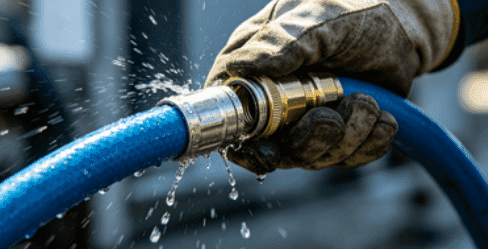
- Leaks at connectors or along the hose length
- Cracks, abrasions, or external damage due to mechanical stress
- Reduced system performance caused by blockages, kinks, or internal wear
- Burst hoses resulting from overpressure or aged material
These issues not only reduce efficiency but can also lead to fluid loss, equipment damage, and safety hazards.
Causes of Hydro Hose Problems
Identifying the root cause of hose failures is critical for prevention:
- Overpressure and System Overload: Exceeding the hose’s rated pressure can cause leaks or ruptures.
- Poor Material Quality: Low-grade rubber or inadequate reinforcement is prone to wear, cracking, and abrasion.
- Improper Installation: Twisting, over-tightening, or sharp bends can compromise hose integrity.
- Environmental Factors: Extreme temperatures, exposure to chemicals, or UV radiation can accelerate degradation.
Understanding these causes allows operators to take proactive measures to extend hose lifespan.
How to Diagnose Hydro Hose Problems
Early diagnosis can prevent serious failures. Key steps include:
- Conduct a visual inspection for cracks, abrasions, leaks, or bulges
- Examine connectors, fittings, and end assemblies for damage or loose components
- Monitor system pressure and fluid flow to detect abnormal drops
- Listen for unusual noises or vibrations indicating internal or external damage
Regular inspections help detect minor issues before they escalate.
Step-by-Step Solutions to Common Problems
Resolving hydraulic hose problems requires systematic action:
- Fixing Leaks: Replace damaged O-rings, washers, or fittings. Ensure connectors are tightened without cross-threading.
- Handling Abrasions and Damage: Use protective sleeves or replace worn hoses to prevent fluid loss and maintain pressure.
- Preventing Burst Hoses: Select hoses with adequate pressure ratings and avoid sharp bends or twists during installation.
- Ensuring Proper Installation: Follow manufacturer torque specifications, align hoses correctly, and secure them to minimize movement.
Applying these solutions consistently reduces maintenance costs and enhances system reliability.
Preventive Maintenance Tips
Regular maintenance prolongs hydraulic hose life:
- Inspect hoses periodically for wear, leaks, or damage
- Keep hoses and connectors clean from debris and chemical residues
- Avoid sharp bends, kinks, or excessive tension
- Lubricate fittings and seals when recommended
- Replace worn or damaged hoses immediately to prevent failure
A proactive maintenance schedule can prevent unexpected downtime and costly repairs.
Material Selection for Hydro Hose Longevity
Selecting the correct material for your hydro hose is essential for durability, performance, and safety. Consider the following options:
| Material | Advantages | Disadvantages | Best Use Case |
|---|---|---|---|
| Rubber with Steel Braiding | Flexible, durable, high pressure | Heavier, more expensive | Industrial machinery, high-pressure systems |
| Thermoplastic | Lightweight, corrosion-resistant | Less flexible, lower pressure tolerance | Mobile equipment, light-duty systems |
| Stainless Steel Reinforced | Highly durable, resistant to abrasion | Expensive | Critical, high-pressure applications |
Choosing the right material based on pressure, chemical compatibility, and environmental factors can significantly reduce failures.
Choosing the Right Hydro Hose
When selecting a hydraulic hose for your system, consider these factors:
- Match hose pressure rating with system requirements
- Ensure compatibility with hydraulic fluid and fittings
- Evaluate system application: industrial, automotive, or heavy machinery
- Balance cost, durability, and safety requirements
Correct selection ensures long-term reliability, leak-free operation, and reduced maintenance costs.
Conclusion
Hydro hoses play a critical role in maintaining efficient and safe hydraulic systems. Common problems such as leaks, abrasion, and burst hoses can be prevented through proper selection, installation, and regular maintenance. Using high-quality materials, inspecting your hoses frequently, and addressing issues early ensures long-term reliability and minimizes downtime. Investing in the right hydro hose and maintaining it proactively protects your equipment and optimizes system performance.
FAQ
What is a hydro hose?
A hydraulic hose is a flexible hose that carries hydraulic fluid under pressure in machinery and industrial systems, enabling smooth operation and efficient power transfer. Proper selection and maintenance are crucial for safety and performance.
How do I choose the right hydro hose?
Select a hydraulic hose based on system pressure, fluid type, hose length, and fitting compatibility. Choosing the correct type ensures durability, prevents leaks, and maintains optimal hydraulic system efficiency.
How can I prevent leaks in a hydro hose?
Prevent leaks by inspecting hoses regularly, ensuring fittings are properly tightened, and replacing worn or damaged seals and sections promptly. Regular maintenance prolongs hose life and prevents costly downtime.
Can hydro hoses handle high-pressure systems?
Hydraulic hose can handle high-pressure systems only if they are rated for the maximum system pressure and installed according to manufacturer guidelines. Using the correct hose type prevents bursts and ensures reliable performance.
How often should hydro hoses be replaced?
Replace hydraulic hose immediately if cracks, leaks, or wear appear, or follow the manufacturer’s recommended replacement schedule. Timely replacement ensures system safety, prevents failures, and maintains consistent hydraulic performance.
Need Help Choosing the Right Hydro Hose?
If you’re unsure which hydraulic hose is best for your machinery or hydraulic system, our experts are here to help. Contact us today for a personalized consultation, and ensure your hydraulic system is safe, leak-free, and performing at its best. Don’t wait until a failure occurs—get in touch now to protect your equipment and maintain efficiency!