Table of Contents
Introduction
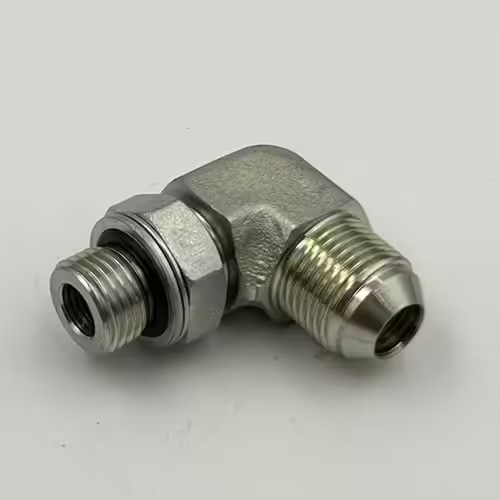
Hydraulic systems are the backbone of many modern industries, powering everything from heavy machinery to precision equipment. At the center of these systems are hydro fittings, small but critical components that ensure fluid flows safely and efficiently through the system.
A hydro fitting connects hoses, pipes, and tubes, enabling hydraulic fluid to move under pressure without leakage. While often overlooked, the reliability of the entire hydraulic system depends heavily on the quality and performance of these fittings. According to general hydraulic engineering data referenced in fluid power system design manuals, a large percentage of system failures are related to poor connections, leaks, or improper fitting selection.
If you want to build or maintain a high-performance hydraulic system, understanding hydro fittings is essential.
What Is a Hydro Fitting
A hydraulic fitting is a mechanical connector used in hydraulic systems to join different components such as hoses, tubes, and pipes. These fittings are designed to handle high pressure and maintain a tight seal to prevent fluid leakage.
Hydraulic fittings come in different forms, including threaded fittings, compression fittings, and quick connect fittings. Each type serves a specific purpose depending on system requirements.
Their main function is to ensure a secure connection while allowing flexibility in system design and maintenance.
How Hydro Fitting Works in Hydraulic Systems
Hydraulic fittings work by creating a sealed connection between components, allowing hydraulic fluid to flow without escaping. This is achieved through threads, compression, or sealing elements such as O-rings.
When properly installed, the fitting maintains pressure integrity and prevents contamination from entering the system. This is crucial because even small leaks or impurities can affect system performance and lead to equipment failure.
The design of hydraulic fittings ensures that they can withstand vibration, temperature changes, and pressure fluctuations commonly found in hydraulic systems.
Types of Hydro Fitting
There are several types of hydraulic fittings used in modern hydraulic systems.
Threaded fittings are widely used for their strong and reliable connection. Compression fittings are ideal for applications requiring precision and easy installation.
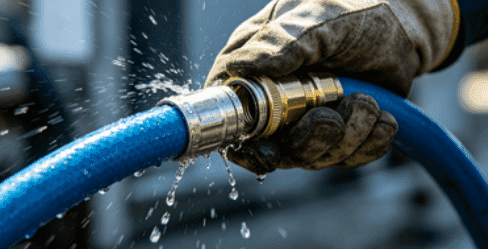
Quick connect fittings allow for fast assembly and disassembly without tools, making them suitable for systems that require frequent maintenance.
Flared fittings and O-ring face seal fittings are commonly used in high-pressure applications where leak prevention is critical.
Each type is designed to meet specific performance and operational requirements.
Materials Used in Hydro Fitting
Material selection plays a key role in the performance of hydraulic fittings.
Common materials include carbon steel, stainless steel, and brass. Carbon steel is widely used for its strength and cost-effectiveness. Stainless steel offers superior corrosion resistance and is ideal for harsh environments.
Brass fittings are often used in lower pressure applications due to their ease of machining and corrosion resistance.
According to general materials engineering data, the choice of material should be based on pressure requirements, environmental conditions, and fluid compatibility.
Key Advantages of Hydro Fitting
Hydraulic fittings provide several important advantages in hydraulic systems.
One of the main benefits is leak prevention. A properly installed fitting ensures that hydraulic fluid remains contained, maintaining system efficiency.
Another advantage is durability. Hydraulic fittings are designed to withstand high pressure and mechanical stress, making them suitable for demanding applications.
They also offer flexibility, allowing engineers to design complex systems with multiple connection points.
In addition, hydraulic fittings simplify maintenance by enabling easy replacement or modification of system components.
Performance Comparison of Hydro Fitting Materials
Different materials offer varying levels of performance. The table below highlights key differences:
| Material | Strength | Corrosion Resistance | Cost | Typical Application |
|---|---|---|---|---|
| Carbon steel | High | Moderate | Low | General hydraulic systems |
| Stainless steel | High | High | Medium to high | Harsh environments |
| Brass | Moderate | Moderate | Medium | Low-pressure systems |
Stainless steel is often preferred for applications requiring high corrosion resistance, while carbon steel remains popular for its strength and affordability.
Applications of Hydro Fitting
Hydraulic fittings are used across a wide range of industries.
In construction equipment, they connect hydraulic hoses that control movement and lifting functions. In manufacturing systems, they ensure precise fluid control in automated machinery.
They are also widely used in agricultural equipment, transportation systems, and industrial machinery.
Their versatility and reliability make them indispensable in any system that relies on hydraulic power.
How to Choose the Right Hydro Fitting
Choosing the right hydraulic fitting requires careful consideration of several factors.
First, determine the pressure rating required for your system. High-pressure systems need fittings designed to handle greater stress.
Next, consider the material. The fitting must be compatible with the fluid and environment to prevent corrosion and degradation.
You should also evaluate the type of connection needed, whether threaded, compression, or quick connect.
Finally, ensure that the fitting size matches the hose or pipe to avoid leaks and performance issues.
Common Problems and Troubleshooting
Hydraulic fittings can experience issues if not properly selected or installed.
Leaks are one of the most common problems and are often caused by improper tightening or damaged seals. Regular inspection can help identify these issues early.
Another issue is corrosion, which can weaken the fitting over time. Using the correct material and protective coatings can reduce this risk.
Improper sizing can also lead to connection failure, emphasizing the importance of accurate selection.
Installation and Maintenance Best Practices
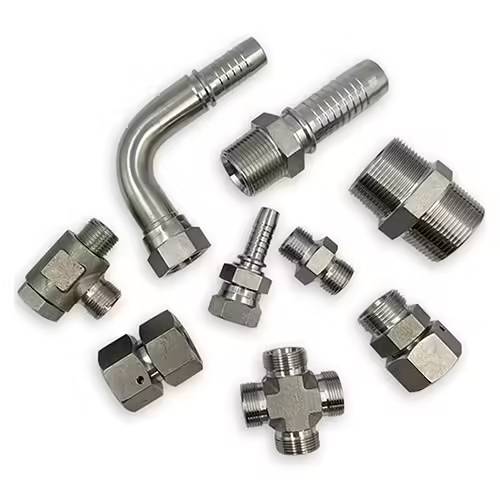

Proper installation is essential for ensuring the performance of hydraulic fittings.
Before installation, ensure that all components are clean and free of debris. Use appropriate tools and follow recommended tightening guidelines.
During operation, regular maintenance checks should be performed to detect wear, corrosion, or leaks.
Replacing worn components and maintaining proper sealing can extend the lifespan of the system.
Conclusion
Hydraulic fittings are essential components in modern hydraulic systems, providing secure connections, preventing leaks, and ensuring efficient fluid flow. Their importance cannot be overstated, as even small failures can impact the entire system.
By understanding how hydro fittings work, selecting the right type and material, and following proper installation and maintenance practices, you can improve system performance and reduce long-term costs.
For engineers and system designers, investing in high-quality hydro fittings is a smart decision that ensures reliability, safety, and efficiency in demanding applications.
FAQ
What is a hydro fitting used for?
A hydro fitting is used to connect hoses, pipes, or tubes in hydraulic systems, ensuring a secure and leak-free flow of hydraulic fluid. It plays a critical role in maintaining pressure, preventing fluid loss, and supporting efficient system performance in machinery, industrial equipment, and fluid power applications.
How do you choose the right hydro fitting?
To choose the right hydro fitting, you should consider pressure rating, temperature conditions, hose size, and fluid compatibility. It is also important to select the correct connection type, such as threaded or compression, to ensure a tight seal and reliable performance under specific working conditions.
What materials are hydro fittings made from?
Hydro fittings are commonly made from materials such as carbon steel, stainless steel, and brass. Each material offers different advantages in terms of strength, corrosion resistance, and cost. The choice depends on the operating environment and the level of pressure and durability required.
Why do hydro fittings leak?
Hydro fittings may leak due to improper installation, worn seals, incorrect sizing, or damage caused by excessive pressure or vibration. Regular inspection, proper tightening, and using compatible components can help prevent leakage and ensure long-term system reliability.
Can hydro fittings be reused?
Yes, many hydro fittings can be reused if they are not damaged and the sealing components remain in good condition. However, it is important to inspect them carefully before reuse and replace any worn or damaged parts to maintain safety and performance in hydraulic systems.
Need Help Choosing the Right Hydro Fitting?
If you’re unsure which hydro fitting is best for your hydraulic system, pressure requirements, or specific application, our experts are here to help. Contact us today for a personalized consultation and get reliable, durable, and cost-effective solutions tailored to your needs. Don’t wait until leaks or system failures disrupt your operations—get in touch now to ensure safety, efficiency, and long-term performance in your hydraulic systems!