Table of Contents
Introduction
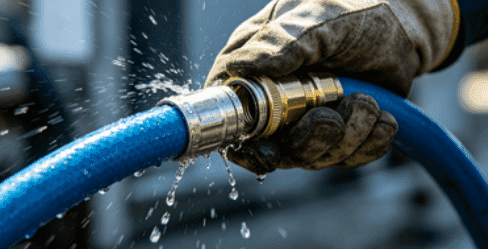
A flanged joint is a critical component in piping systems that joins two pipes or a pipe to a valve or equipment using flanges, bolts, and gaskets. It ensures a secure, leak-free seal while allowing easy assembly and disassembly. Flanged joints are widely used in industries such as manufacturing, oil and gas, chemical processing, and water treatment because they accommodate high pressures and provide reliable performance. Understanding the fundamentals of flanged connections can help you optimize your system’s efficiency and longevity.
Types of Flanged Connections
Flanged joints come in various types, each suited for specific applications and pressure requirements:
- Slip-on flange: Easy to install, ideal for low-pressure systems.
- Weld neck flange: Offers superior strength, suitable for high-pressure and high-temperature applications.
- Socket weld flange: Common in smaller-diameter piping systems for precise alignment.
- Blind flange: Used to close the end of a piping system or for pressure testing.
- Threaded flange: Ideal for low-pressure and small-diameter piping systems where welding is not feasible.
Choosing the right type depends on your system’s pressure, temperature, and maintenance needs.
Materials Used for Flanged Connections
The material of a flanged joint greatly affects its performance, durability, and resistance to corrosion:
| Material | Advantages | Common Use Cases |
|---|---|---|
| Stainless Steel | Corrosion-resistant, durable | Chemical, food, and pharmaceutical systems |
| Carbon Steel | Strong, cost-effective | General industrial and construction use |
| Alloy Steel | High-temperature and pressure resistant | Power plants, high-pressure systems |
| Plastic/Composite | Lightweight, corrosion-proof | Low-pressure fluid transfer, water treatment |
Selecting the right material ensures that the flanged joint can withstand operational pressures, fluid types, and environmental conditions.
Advantages of Flanged Connections
Flanged joints provide several benefits that make them a preferred choice in industrial piping:
- Ease of installation and disassembly allows faster maintenance and inspection.
- Suitable for high-pressure and large-diameter pipelines.
- Flexible design accommodates thermal expansion and contraction.
- Standardized flanges and gaskets improve interchangeability and reliability.
These advantages are especially valuable in systems where frequent inspection or cleaning is required.
Common Problems with Flanged Connections
Despite their advantages, flanged joints can encounter problems if not properly installed or maintained:
- Leaks caused by gasket failure, incorrect bolt torque, or misalignment.
- Corrosion and wear on flange faces, especially in aggressive fluid environments.
- Bolt loosening over time, compromising the seal.
- Misalignment that increases stress on the piping system and reduces lifespan.
Proactive inspection and correct installation practices are essential to prevent these issues.
Installation Guide for Flanged Connections
Installing a flanged joint correctly requires careful attention to detail:
- Clean flange and gasket surfaces thoroughly.
- Align the flanges accurately to avoid stress on the joint.
- Place the correct gasket for the fluid and pressure type.
- Tighten bolts evenly in a crisscross pattern to achieve uniform pressure.
- Follow manufacturer torque specifications and safety protocols.
Proper installation reduces the risk of leaks and extends the life of your piping system.
Maintenance and Inspection Tips
Regular maintenance ensures flanged joints remain reliable and leak-free:
- Inspect for corrosion, rust, or surface wear at regular intervals.
- Check bolt torque periodically and retighten if necessary.
- Replace worn gaskets promptly to maintain seal integrity.
- Clean flange faces and bolts to prevent buildup of debris or chemical residues.
According to a study by the Industrial Piping Maintenance Institute, preventive maintenance on flanged connections can reduce unplanned shutdowns by up to 35%.
How to Choose the Right Flanged Connection
Selecting the appropriate flanged connection involves:
- Matching the flange type to pipe diameter, pressure rating, and fluid type.
- Ensuring material compatibility with the operating environment.
- Evaluating installation and maintenance requirements.
- Considering long-term durability and cost efficiency.
Choosing the correct flanged joint prevents leaks, reduces downtime, and improves system reliability.
Troubleshooting and Repair Tips
If a flanged connection develops issues:
- Minor leaks can often be fixed by retightening bolts in the correct pattern.
- Replace damaged gaskets immediately to restore a proper seal.
- Inspect for flange face corrosion or deformation; replace flanges if necessary.
- Avoid recurring problems by ensuring proper torque, alignment, and material selection.
Regular inspections and preventive repairs are essential to maintain operational safety and efficiency.
Conclusion
Flanged connections are a cornerstone of reliable piping systems, offering ease of installation, flexibility, and durability. By understanding the types, materials, installation methods, and maintenance practices, you can ensure your system operates efficiently and safely. Proper selection, installation, and ongoing inspection are key to maximizing the lifespan and performance of flanged connections.
FAQ
What is a flanged connection?
A flanged joint joins two pipes or a pipe to equipment using flanges, bolts, and gaskets to create a secure, leak-free seal.
What are the common types of flanged connections?
Common types include slip-on flange, weld neck flange, socket weld flange, blind flange, and threaded flange, each suited for different pressure and applications.
How do I install a flanged joint correctly?
Align the flanges properly, use the correct gasket, tighten bolts evenly in a crisscross pattern, and follow manufacturer torque specifications.
Why is my flanged connection leaking?
Leaks often result from improper gasket selection, uneven bolt tightening, flange misalignment, or corrosion. Inspect regularly to prevent issues.
How do I maintain a flanged joint?
Inspect for wear and corrosion, check bolt torque, replace damaged gaskets promptly, and clean flange surfaces to ensure long-term reliability.
Need Help Choosing the Right Flanged Connection?
If you’re unsure which flanged joint is best for your piping system or application, our experts are here to help. Contact us today for a personalized consultation, and ensure your system is safe, efficient, and leak-free. Don’t wait until it’s too late—get in touch now to protect your equipment and operations!