Table of Contents
Introduction
Machine manufacturing plays a crucial role in global industrial development, supporting sectors such as construction, agriculture, energy, and transportation. With continuous technological advancements, machine manufacturing is evolving toward higher efficiency, automation, and precision engineering. Understanding its processes, technologies, and material selection helps businesses improve productivity and competitiveness.
What Is Machinery Manufacturing?
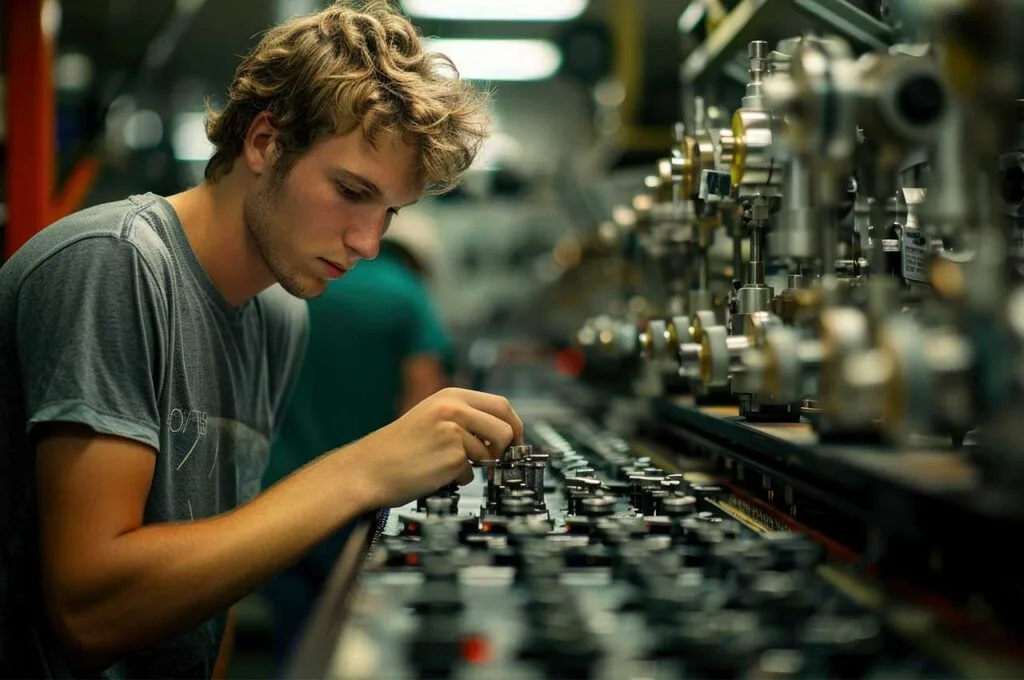
Machine manufacturing refers to the design, production, assembly, and testing of mechanical equipment used across various industries. It involves transforming raw materials into functional machines such as hydraulic systems, industrial equipment, and automated production tools.
Key Processes in Machinery Manufacturing
The machine manufacturing process typically includes:
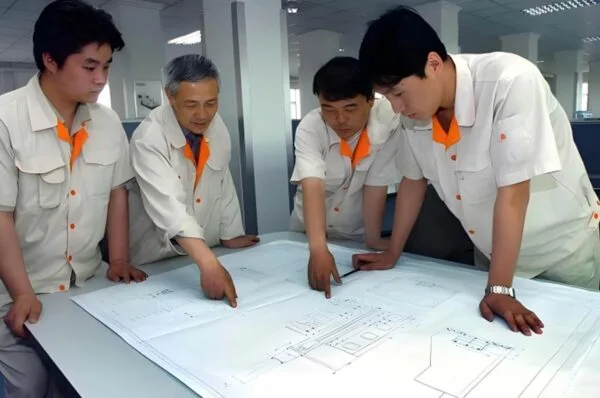
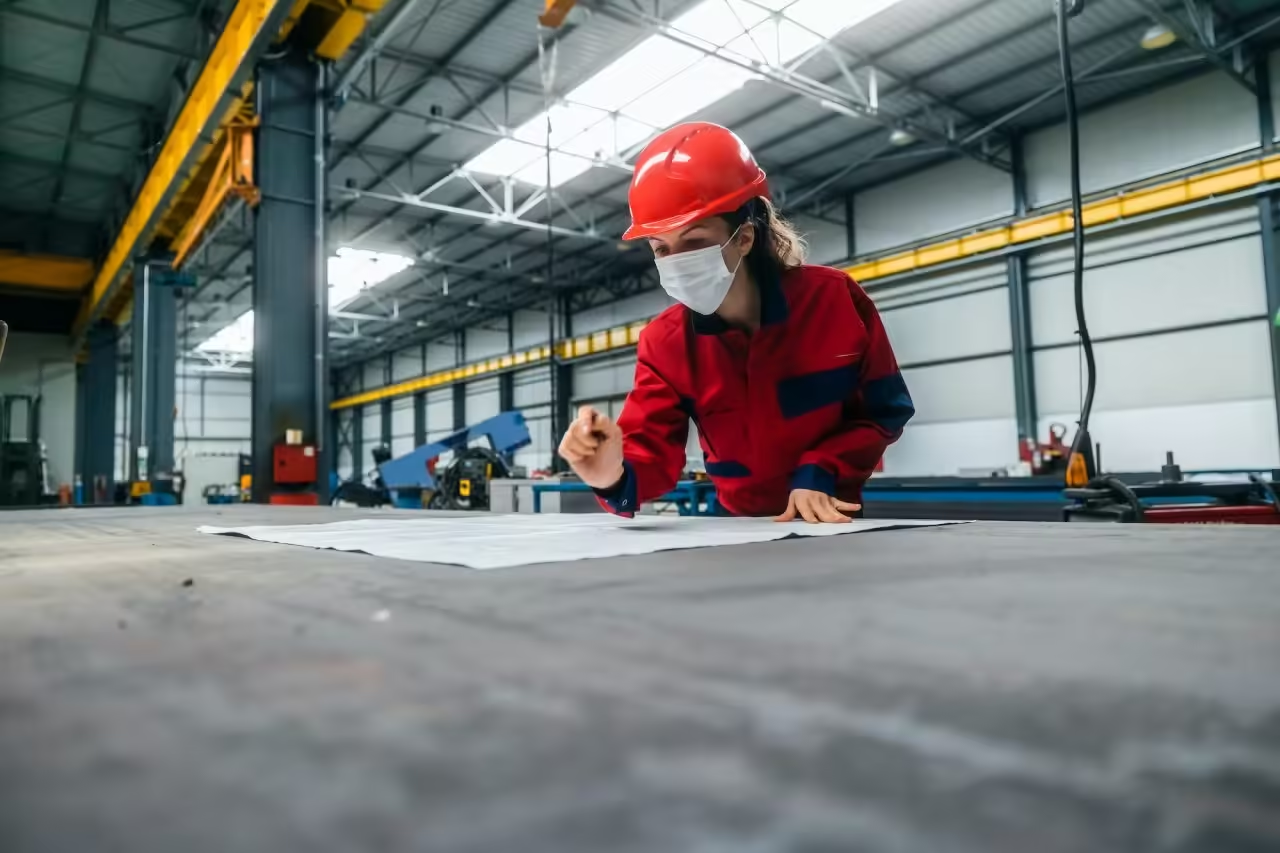
- Design and Engineering – Creating technical drawings and system models
- Material Selection – Choosing metals, alloys, and composites
- Machining and Fabrication – Cutting, shaping, and forming components
- Assembly – Integrating mechanical and electronic parts
- Testing and Quality Control – Ensuring performance and safety standards
Each stage ensures the final machinery meets operational requirements and industry standards.
Common Materials Used in Machinery Manufacturing
Material selection significantly impacts machine durability and performance:
| Material | Characteristics | Applications |
|---|---|---|
| Carbon Steel | High strength, cost-effective | Structural machinery components |
| Stainless Steel | Corrosion-resistant, durable | Chemical and food machinery |
| Aluminum Alloy | Lightweight, good strength-to-weight ratio | Aerospace and transport equipment |
| Cast Iron | High wear resistance | Heavy-duty industrial machinery |
Technologies Used in Modern Machinery Manufacturing
Modern machine manufacturing relies on advanced technologies such as:
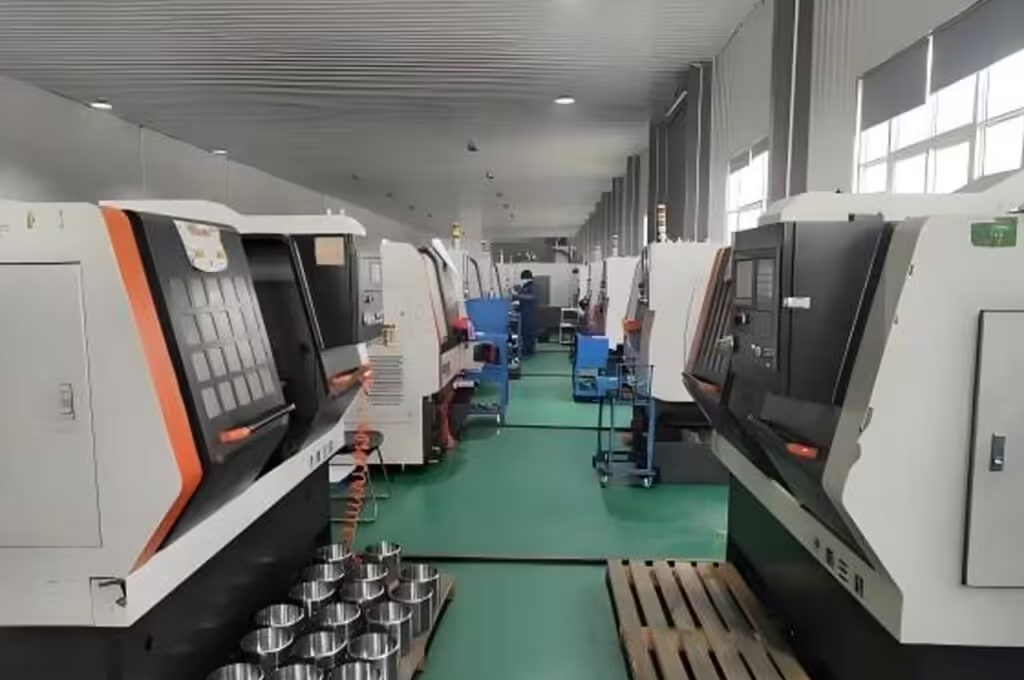
- CNC machining for precision components
- Automated robotic assembly systems
- 3D modeling and CAD design software
- Laser cutting and high-precision welding
- IoT-based smart manufacturing systems
Industry reports indicate that automation in manufacturing can significantly improve production efficiency while reducing human error and operational costs.
How to Choose Machinery Manufacturing Solutions
When selecting machine manufacturing solutions, consider:
- Production requirements – Output capacity and application needs
- Material compatibility – Ensuring durability and performance
- Precision level – Required tolerance and accuracy
- Automation level – Manual vs. automated systems
- Maintenance requirements – Ease of repair and servicing
Maintenance and Operational Best Practices
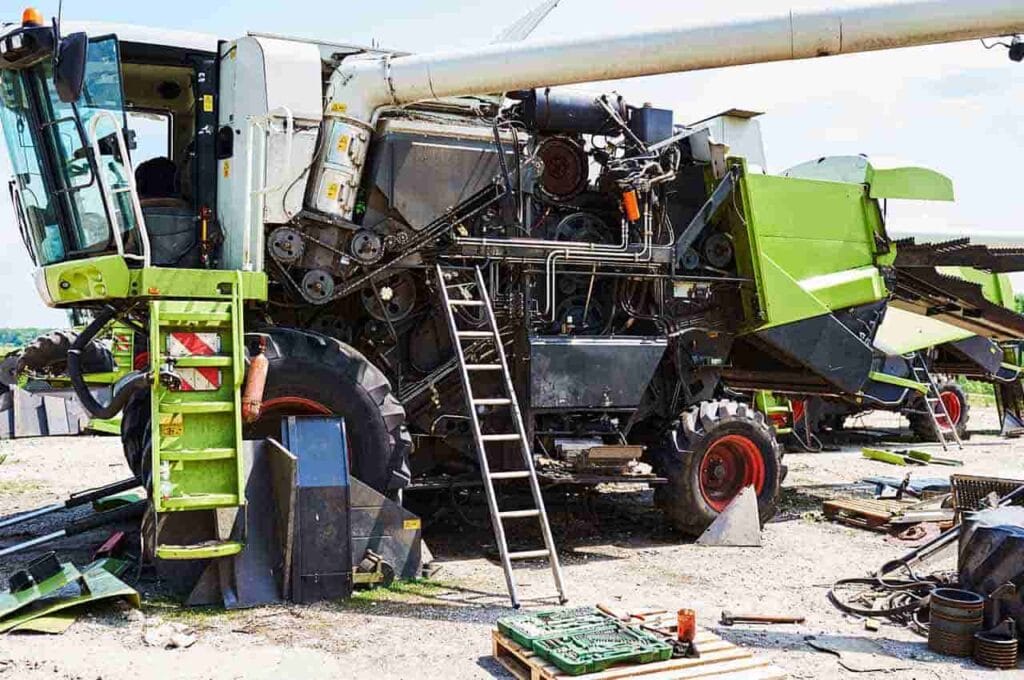
- Conduct regular inspection of machinery components
- Lubricate moving parts to reduce wear
- Replace worn parts promptly
- Use high-quality raw materials
- Monitor machine performance data
These practices help extend equipment lifespan and ensure stable production.
Advantages of Advanced Machinery Manufacturing
- Higher production efficiency
- Improved product consistency
- Reduced labor costs
- Enhanced precision and automation
- Greater scalability for industrial production
Conclusion
Machine manufacturing is a fundamental pillar of modern industry, enabling the production of essential equipment used worldwide. With advancements in automation, materials, and engineering technologies, the industry continues to evolve toward smarter and more efficient systems. By understanding its processes and adopting modern manufacturing solutions, businesses can significantly improve productivity and long-term competitiveness.
FAQ
What is machinery manufacturing used for?
Machine manufacturing is used to design and produce industrial machines that support various sectors such as construction, agriculture, transportation, and general manufacturing. These machines help improve productivity, automate processes, and enable large-scale industrial operations with higher efficiency and precision.
What materials are commonly used in machine manufacturing?
Common materials in machine manufacturing include carbon steel, stainless steel, aluminum alloys, and cast iron. Each material is selected based on required strength, durability, corrosion resistance, and application environment, ensuring machines perform reliably under different industrial conditions.
What technologies are used in modern machine manufacturing?
Modern machine manufacturing uses advanced technologies such as CNC machining, robotics, CAD design systems, laser cutting, and smart manufacturing solutions. These technologies improve precision, reduce production time, minimize human error, and enhance overall manufacturing efficiency and product consistency.
How can efficiency be improved in machine manufacturing?
Efficiency in machine manufacturing can be improved through automation, optimized product design, strict quality control, and predictive maintenance systems. These approaches reduce downtime, improve production speed, lower costs, and ensure consistent output quality across manufacturing processes.
What are common challenges in machinery manufacturing?
Common challenges in machinery manufacturing include high production costs, equipment wear and tear, precision errors, and supply chain disruptions. These issues can be managed through proper maintenance, advanced technology adoption, and efficient production planning strategies.
Need Help with Machinery Manufacturing Solutions?
If you’re looking for reliable and efficient machinery manufacturing systems, our experts are here to support you. Contact us today for a professional consultation and discover how to improve production efficiency, reduce costs, and enhance equipment performance. Don’t wait—upgrade your manufacturing capability now!