Table of Contents
Introduction

Corrosion-resistant steel is one of the most widely used materials in modern engineering and manufacturing due to its excellent corrosion resistance, strength, and durability. From construction and plumbing to food processing and industrial equipment, stainless steel plays a critical role in ensuring long-term performance and reliability.
What Is Stainless Steel?
Corrosion-resistant steel is an iron-based alloy that contains chromium, which forms a protective layer on the surface to prevent rust and corrosion. This unique property makes it suitable for environments exposed to moisture, chemicals, and extreme temperatures.
Types of Stainless Steel
Different grades of stainless steel are used depending on application requirements:
- 304 Stainless Steel – General-purpose grade with good corrosion resistance
- 316 Stainless Steel – Enhanced resistance to chemicals and saltwater environments
- 201 Stainless Steel – Cost-effective option with moderate durability
- 430 Stainless Steel – Magnetic type used in decorative and low-corrosion applications
Chemical Composition Overview
| Grade | Key Elements | Characteristics | Applications |
|---|---|---|---|
| 304 | Chromium, Nickel | Good corrosion resistance | Food equipment, plumbing |
| 316 | Chromium, Nickel, Molybdenum | High corrosion resistance | Marine, chemical industries |
| 201 | Lower nickel content | Cost-effective, moderate strength | Indoor applications |
| 430 | Chromium only | Magnetic, less corrosion resistance | Appliances, decoration |
Why Stainless Steel Is Widely Used
Corrosion-resistant steel is preferred in many industries because it offers:
- High corrosion resistance
- Long service life
- Strong mechanical properties
- Low maintenance requirements
- Hygienic and easy-to-clean surface
Industry studies show that corrosion-resistant steel components can significantly reduce maintenance frequency compared to standard carbon steel materials, especially in corrosive environments.
Applications of Stainless Steel
Corrosion-resistant steel is used across multiple industries:
- Construction and architecture
- Plumbing and piping systems
- Food and beverage processing
- Chemical and petrochemical industries
- Automotive and transportation
- Medical and pharmaceutical equipment
How to Choose the Right Corrosion-Resistant Steel Grade
When selecting corrosion-resistant steel, consider:
- Corrosion environment – moisture, chemicals, or salt exposure
- Mechanical strength requirements
- Temperature conditions
- Cost constraints
- Hygiene requirements (food or medical use)
Choosing the correct grade ensures performance and reduces long-term replacement costs.
Maintenance Tips
- Clean surfaces regularly to prevent buildup
- Avoid prolonged exposure to harsh chemicals
- Inspect for early signs of corrosion
- Use appropriate cleaning agents for stainless steel
- Store in dry environments when possible
Advantages of Corrosion-Resistant Steel
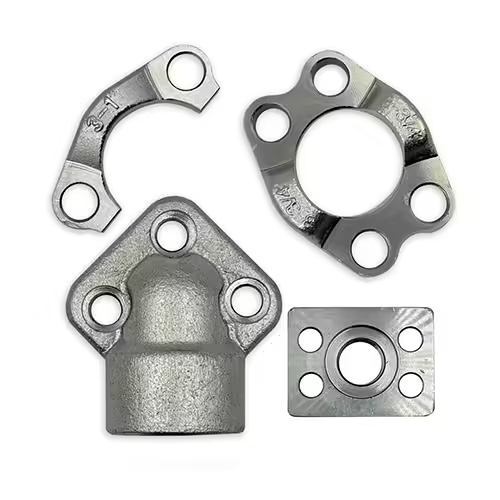
- Excellent corrosion resistance
- High strength-to-weight ratio
- Long service life
- Recyclable and environmentally friendly
- Suitable for multiple industrial applications
Conclusion
Corrosion-resistant steel remains a foundational material in modern industry due to its durability, versatility, and resistance to corrosion. By selecting the right grade and maintaining it properly, industries can achieve long-term performance, reduced maintenance costs, and improved system reliability.
FAQ
What is stainless steel used for?
Corrosion-resistant steel is widely used in construction, plumbing systems, food processing equipment, chemical industries, and medical devices. Its strength, durability, and corrosion resistance make it suitable for both structural and precision applications across many demanding industrial and commercial environments.
What makes corrosion-resistant steel resistant to rust?
Corrosion-resistant steel resists rust due to its chromium content, which forms a thin, stable oxide layer on the surface. This passive layer protects the metal underneath from moisture, oxygen, and corrosive elements, continuously self-repairing when damaged under normal conditions.
Which corrosion-resistant steel grade is best?
The best grade depends on the application. 304 stainless steel is ideal for general-purpose use with good corrosion resistance, while 316 corrosion-resistant steel offers enhanced protection against chemicals, saltwater, and harsh environments, making it suitable for marine and industrial applications.
Does stainless steel require maintenance?
Corrosion-resistant steel requires relatively low maintenance, but regular cleaning and inspection are still important. Removing dirt, chemicals, or deposits helps preserve its appearance and performance, while routine checks ensure early detection of corrosion or surface damage.
Can corrosion-resistant steel corrode?
Yes, corrosion-resistant steel can corrode under extreme conditions such as prolonged exposure to chlorides, harsh chemicals, or when an incorrect grade is used. Proper material selection, maintenance, and environmental control help minimize the risk of corrosion and extend service life.
Need Help Choosing the Right Corrosion-Resistant Steel Material?
If you’re unsure which corrosion-resistant steel grade is best for your application, our experts are here to help. Contact us today for professional guidance and ensure your system is durable, efficient, and built to last. Don’t wait—get in touch now to optimize your project performance!