Table of Contents
Introduction
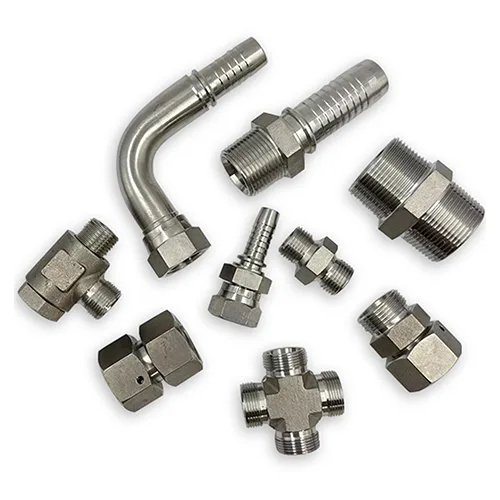
Pipe connectors are essential components in any piping system, enabling the connection, control, and direction of fluid or gas flow. They are widely used in residential, commercial, and industrial applications to ensure leak-free performance, system flexibility, and long-term reliability. Selecting the right pipe connectors is crucial for maintaining efficiency and safety in any pipeline network.
What Are Pipe Fittings?
Pipe connectors are mechanical components used to connect pipes together, change flow direction, regulate flow, or close pipe ends. They ensure that piping systems function smoothly without leakage or pressure loss.
Types of Pipe Fittings
Different types of pipe connectors are used depending on system requirements:
- Elbows – Change the direction of flow (45° or 90°)
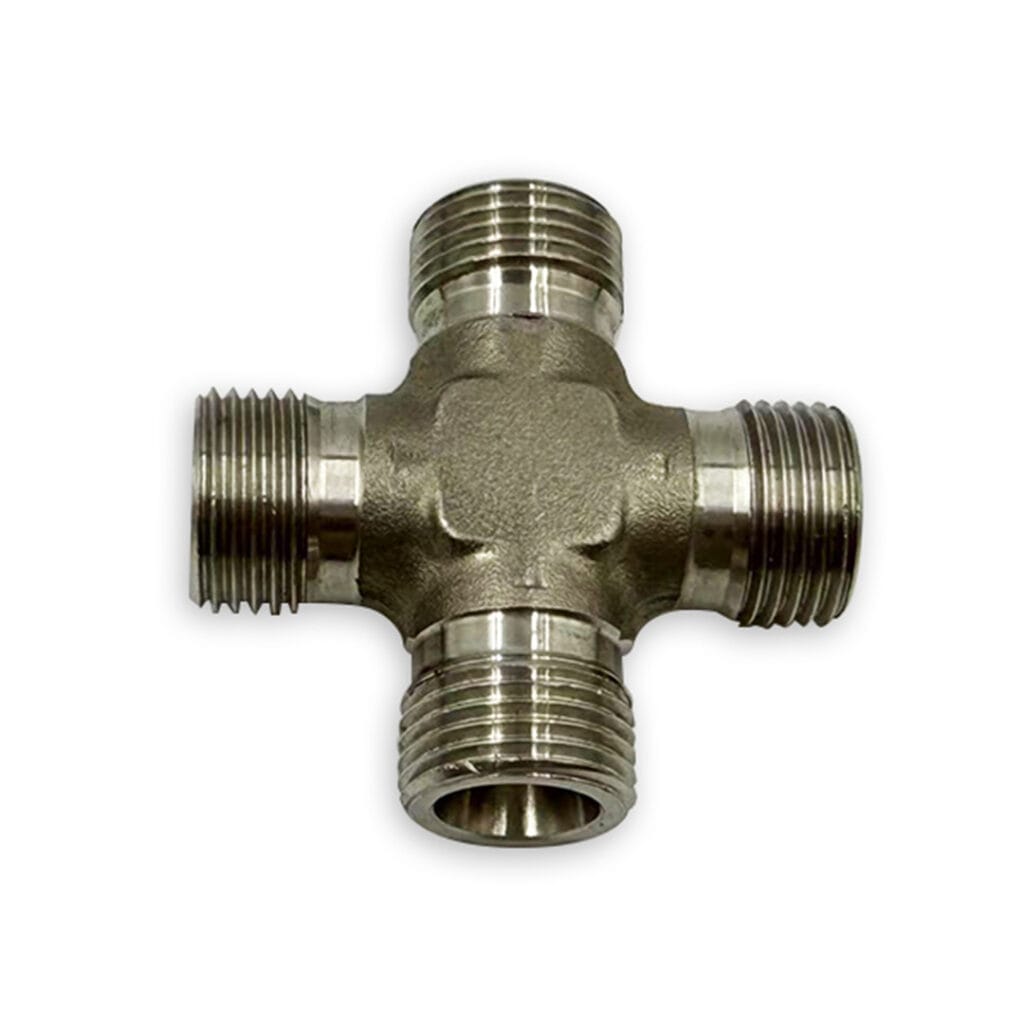
- Tees – Split or combine fluid flow
- Couplings – Connect two pipes in a straight line
- Reducers – Connect pipes of different diameters
- Caps and Plugs – Seal pipe ends
- Unions – Allow easy disconnection for maintenance
Common Materials Used in Pipe Fittings
| Material | Key Features | Applications |
|---|---|---|
| Stainless Steel | Corrosion-resistant, durable | Industrial and chemical systems |
| Carbon Steel | High strength, cost-effective | General piping systems |
| Brass | Good corrosion resistance | Plumbing and water systems |
| PVC | Lightweight, chemical-resistant | Low-pressure water systems |
Industry data shows that material selection directly impacts system lifespan and maintenance frequency, especially in corrosive or high-pressure environments.
How to Choose the Right Pipe Fittings
When selecting pipe connectors, consider the following factors:
- Pipe size compatibility
- Operating pressure and temperature
- Fluid or gas type
- Material corrosion resistance
- Connection type (threaded, welded, compression)
Proper selection ensures system stability and prevents leakage or failure.
Installation Tips for Pipe Fittings
- Clean pipe ends before installation
- Use appropriate sealing materials
- Ensure proper alignment before tightening
- Avoid over-tightening to prevent damage
- Test system pressure after installation
Maintenance Best Practices
- Regularly inspect joints for leaks or wear
- Replace damaged seals or fittings promptly
- Keep system clean to avoid blockage
- Monitor pressure stability over time
Advantages of High-Quality Pipe Fittings
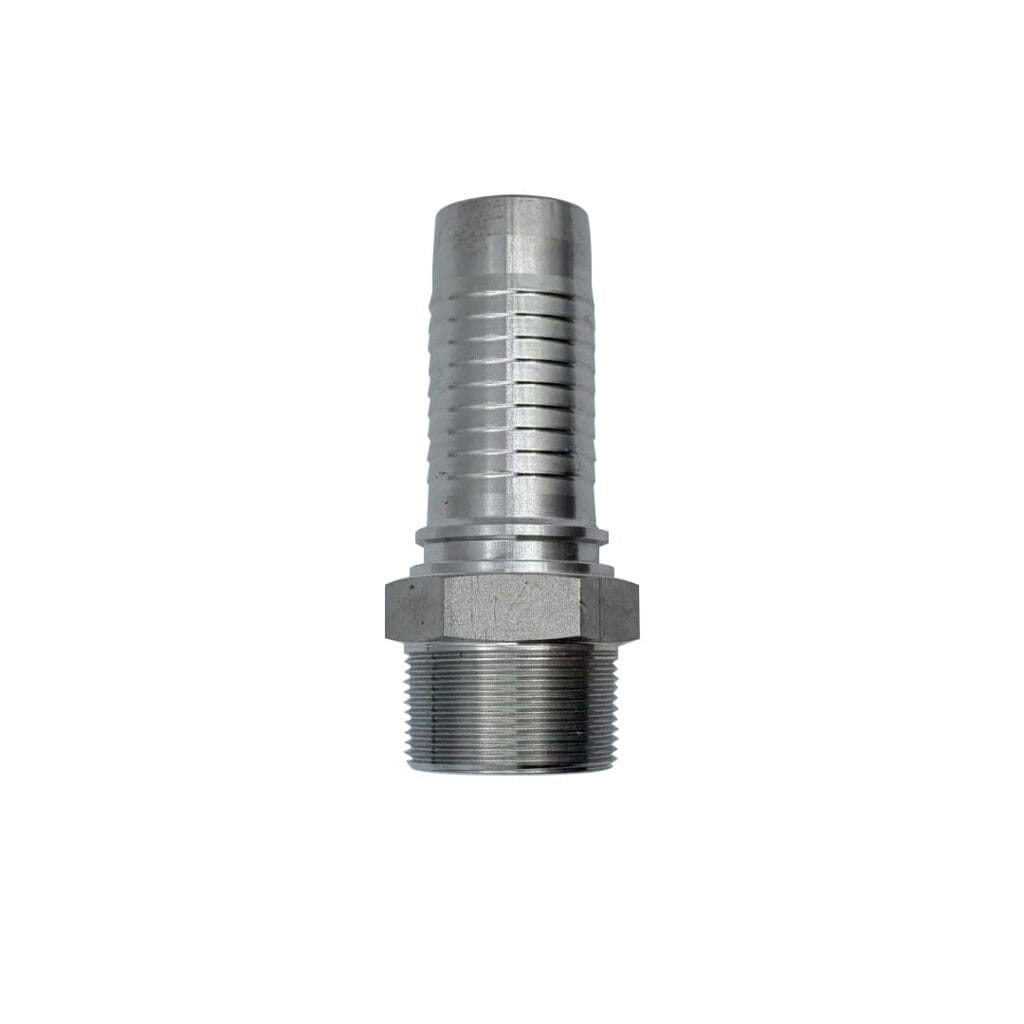
- Ensures leak-free performance
- Improves system efficiency
- Extends pipeline lifespan
- Reduces maintenance costs
- Suitable for multiple industrial applications
Conclusion
Pipe connectors are a fundamental part of any piping system, ensuring safe and efficient fluid or gas transport. By selecting the right materials, types, and installation methods, you can significantly improve system reliability and reduce operational risks. Proper maintenance further enhances performance and extends service life.
FAQ
What are pipe fittings used for?
Pipe connectors are used to connect, control, and redirect the flow of fluids or gases in piping systems. They ensure stable, leak-free operation across residential, commercial, and industrial applications, supporting system flexibility, maintenance, and efficient fluid transport under different pressure conditions.
What materials are commonly used in pipe connectors?
Common materials include stainless steel, carbon steel, brass, and PVC. Each material is selected based on factors such as pressure level, corrosion resistance, temperature range, and fluid type, ensuring long-term durability and compatibility with specific piping system requirements.
How do I choose the right pipe connectors?
To choose the right pipe connectors, consider pipe size, operating pressure, temperature conditions, fluid characteristics, and material compatibility. Proper selection ensures safe operation, reduces leakage risk, and improves overall system efficiency and service life in various applications.
What are common problems with pipe connectors?
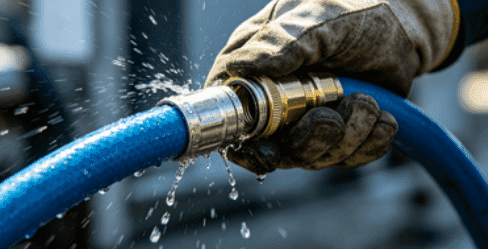
Common problems include leaks, corrosion, thread damage, and misalignment. These issues are often caused by improper installation, incorrect material selection, or lack of maintenance. Regular inspection and proper installation practices help minimize failures and maintain system stability.
How can I prevent leaks in pipe connectors?
Leaks can be prevented through correct installation techniques, proper sealing materials such as thread tape or gaskets, and accurate tightening of connections. Routine inspection is also important to detect early wear or loosening, ensuring long-term system reliability and performance.
Need Help Choosing the Right Pipe Fittings?
If you’re not sure which pipe fittings are best for your system, our experts are here to help. Contact us today for professional guidance and ensure your piping system is safe, efficient, and reliable. Don’t wait for failures—get in touch now to optimize your system performance!