Key Takeaways
- Overview of leading hydraulic parts manufacturers in 2026
- Comparison of products, technologies, and global reach
- Insights into quality assurance, smart manufacturing, and sustainability
- Tips for choosing the right hydraulic parts manufacturer
- Industry case studies and performance benchmarks
- FAQ section addressing common buyer and engineer questions
Table of Contents
Introduction

Hydraulic systems are the backbone of modern industry. Whether in heavy machinery, industrial automation, or mobile equipment, the performance and reliability of a system rely heavily on high-quality components. In 2026, the market for hydraulic parts manufacturers has become more competitive and technologically advanced than ever.
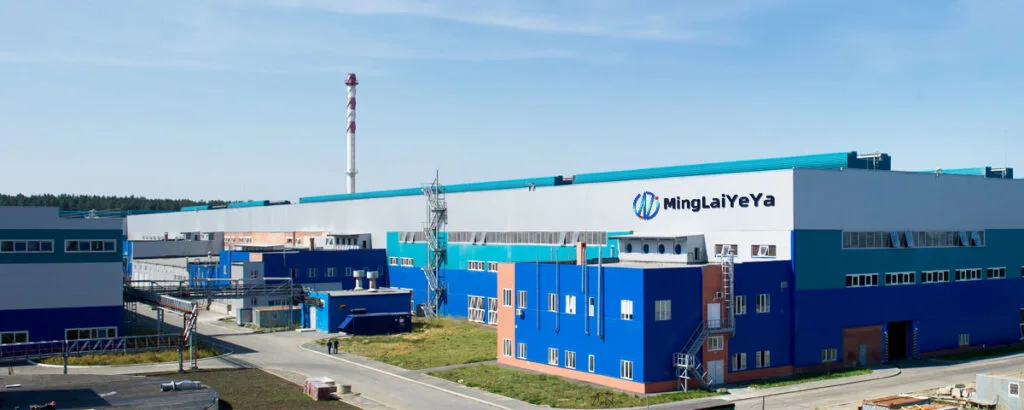
Leading manufacturers like Minglai Hydraulic Pipe Fittings Co., Ltd., Parker Hannifin, Bosch Rexroth, Eaton, and Yuken now emphasize precision engineering, energy efficiency, and sustainability, setting benchmarks for global standards. According to a 2024 IFPS (International Fluid Power Society) white paper, hydraulic system downtime caused by substandard parts or improper installation costs the global industrial sector over $2 billion annually.
The goal of this guide is to provide a comprehensive overview of top hydraulic parts manufacturers, highlight industry trends, and offer practical insights to make informed purchasing decisions.
Types of Hydraulic Parts Supplied by Leading Manufacturers
Hydraulic Pipe Fittings
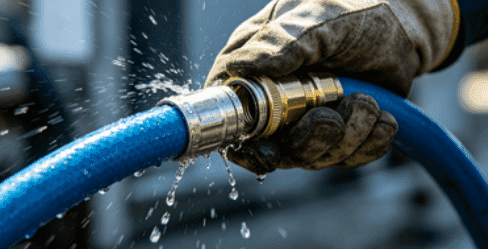
Hydraulic pipe fittings ensure leak-free connections and precise flow control in high-pressure systems.
Key Features
- Manufactured from stainless steel, carbon steel, and brass
- Designed to meet ISO 8434, SAE J514, and DIN 2353 standards
- Available in threaded, crimped, and welded configurations
Applications
- Construction machinery
- Offshore oil rigs
- Industrial automation lines
Hydraulic Cylinders
Cylinders convert hydraulic energy into linear motion.
Key Features
- Bore diameters ranging from 25 mm to 300 mm
- Stroke lengths up to 5 meters for industrial presses
- Customizable mounts and piston configurations
Industry Impact
High-precision cylinders reduce maintenance costs and increase system uptime in factories and mobile equipment.
Hydraulic Valves
Valves regulate flow, pressure, and direction of hydraulic fluids.
Valve Types
- Directional control valves: Direct fluid flow in multi-axis machinery
- Pressure relief valves: Prevent overpressure and system failure
- Flow control valves: Ensure precise motion and process control
Performance Data
- Rated pressures up to 500 bar (7,250 psi)
- Temperature range: -40°C to +120°C
- Fatigue life exceeding 1 million cycles in critical applications
Pumps and Motors
Hydraulic pumps and motors convert mechanical energy to fluid power and vice versa.
Key Features
- Variable and fixed displacement pumps
- Gear, vane, and piston pumps for different pressure ranges
- Compact designs for mobile and industrial applications
Energy Efficiency
Modern pumps with intelligent control can reduce energy consumption by up to 18%, according to a 2023 European Hydraulic Efficiency Study.
Core Technologies and Innovations in Hydraulic Parts Manufacturing

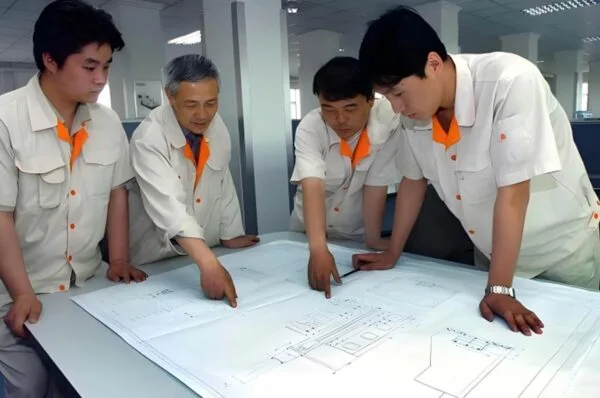
Advanced R&D Capabilities
Leading manufacturers invest heavily in research and development.
Minglai Example
- Provincial-level hydraulic R&D center
- 30% of team focused on high-precision hydraulic components, intelligent control systems, and energy-saving technologies
- Proprietary intellectual property enhancing system efficiency and reliability
Smart Manufacturing and Automation
Automation improves precision and production throughput.
Key Benefits
- Zero-defect production lines with digital monitoring
- Lean manufacturing reduces waste and production costs
- Regional distribution centers ensure rapid delivery to Asia, Europe, and the Americas
Sustainable Practices
Sustainability is a key differentiator for global manufacturers.
Green Initiatives
- Energy recovery and waste recycling programs
- Environmentally friendly hydraulic fluids and recyclable components
- Lifecycle assessment reduces environmental impact
Global Comparison of Leading Hydraulic Parts Manufacturers
| Manufacturer | Headquarters | Key Products | Global Reach | Certifications | Notes |
|---|---|---|---|---|---|
| Minglai Hydraulic | China | Fittings, Cylinders, Valves | Americas, Europe, Asia, Oceania | ISO9001 | High precision, intelligent systems |
| Parker Hannifin | USA | Cylinders, Pumps, Valves | Global | ISO, ASME | Industry leader, innovative solutions |
| Bosch Rexroth | Germany | Pumps, Motors, Valves | Europe, Asia, Americas | ISO, CE | Focus on energy efficiency |
| Eaton | USA | Fittings, Cylinders, Valves | Global | ISO9001 | Strong R&D, industrial focus |
| Yuken | Japan | Valves, Cylinders, Pumps | Asia, Europe | ISO | High reliability, OEM supplier |
Evaluating Hydraulic Parts Manufacturers: Selection Criteria

Product Quality and Standards
Look for ISO9001, SAE, and DIN certifications. Rigorous testing and traceability are essential for high-pressure applications.
Product Range and Customization
A comprehensive manufacturer should offer fittings, valves, cylinders, pumps, and motors, with options for customization to meet specific operational requirements.
Innovation and Technology Integration
Intelligent hydraulic components, energy-saving systems, and predictive maintenance technologies are becoming standard in top-tier manufacturers.
Global Supply Chain and Support
A strong global presence ensures faster technical support, spare parts availability, and logistics efficiency.
Industry Case Studies: Proven Manufacturer Performance
Case Study 1: European Industrial Automation
- Solution: Minglai high-precision hydraulic fittings and cylinders
- Result: 35% reduction in leakage, 22% increase in production uptime
- Insight: Integration of intelligent control systems significantly improves reliability
Case Study 2: North American Construction Fleet
- Solution: Eaton and Minglai fittings for heavy equipment
- Result: 28% fewer system failures, reduced replacement costs
- Insight: Durable components reduce maintenance downtime
Case Study 3: Japanese Agricultural Machinery
- Solution: Yuken and Bosch Rexroth valves and cylinders
- Result: High reliability in extreme temperatures, 30% faster seasonal maintenance
- Insight: OEM-quality components improve long-term operational efficiency
Emerging Trends for Hydraulic Parts Manufacturers in 2026
Predictive Maintenance and IoT Integration
Embedded sensors in hydraulic components allow for:
- Real-time monitoring of pressure, flow, and temperature
- Early leak detection
- Predictive maintenance scheduling
Lightweight Materials and High-Strength Alloys
New alloys reduce system weight by 15–20%, improving fuel efficiency in mobile machinery.
Eco-Efficient Hydraulic Systems
Green fluids, recyclable components, and low-emission designs reduce environmental impact and improve regulatory compliance.
Comparing Hydraulic Parts Manufacturers: Key Metrics
| Metric | Minglai | Parker Hannifin | Bosch Rexroth | Eaton | Yuken |
|---|---|---|---|---|---|
| Product Precision | High | High | Medium | Medium | High |
| Global Distribution | Extensive | Extensive | Moderate | Extensive | Moderate |
| Customization | Full | Moderate | Moderate | Moderate | Moderate |
| Sustainability Initiatives | Strong | Medium | Medium | Medium | Medium |
| Price Competitiveness | High | Medium | Medium | Medium | Medium |
Conclusion
By 2026, the best hydraulic parts manufacturers combine precision engineering, innovation, smart manufacturing, and sustainable practices. Companies like Minglai demonstrate that integrating high-quality materials, intelligent systems, and global supply chain management is key to market leadership.
When selecting a manufacturer, consider:
- Product range and precision
- Certifications and compliance with international standards
- Customization and technology integration
- Supply chain reliability and sustainability practices
Choosing the right manufacturer ensures durable, high-performance hydraulic systems, reducing downtime and maximizing efficiency across industrial, mobile, and agricultural applications.
FAQ
What should I look for in a hydraulic parts manufacturer?
Check product quality, certifications, customization capabilities, global presence, and after-sales support.
Are Chinese hydraulic parts manufacturers reliable?
Yes. Leading companies like Minglai meet international standards and serve clients globally.
Which hydraulic components are essential to verify?
Fittings, valves, cylinders, pumps, and motors are critical for system reliability.
Can manufacturers provide custom solutions?
Top manufacturers offer tailored designs for specific industrial applications, including high-precision components and intelligent control integration.
Why is sustainability important in choosing a hydraulic parts manufacturer?
Eco-friendly production reduces environmental impact, meets regulations, and reflects corporate social responsibility.