Key Takeaways
- Learn what a small hydralic fitting is and why it matters in compact hydraulic systems
- Compare common fitting types used in industrial and mobile equipment
- Understand pressure ratings, materials, and sealing technologies
- Discover installation and maintenance best practices
- Explore differences between reusable, crimped, and threaded fittings
- Review industrial applications in construction, agriculture, and automation
- Find answers to practical questions buyers often search online
Compact hydraulic systems are becoming increasingly important in modern industrial equipment. From mini excavators and compact loaders to agricultural tools and automated machinery, small hydralic fitting components play a critical role in maintaining pressure stability, fluid transfer efficiency, and operational safety.
Although these fittings are physically small, they are engineered to handle demanding pressure conditions, vibration, temperature fluctuations, and continuous operation cycles. A poorly selected hydraulic fitting can lead to leakage, pressure loss, downtime, and expensive equipment damage.
As industries continue to prioritize compact equipment, lightweight hydraulic systems, and efficient machine layouts, demand for durable and reliable small hydraulic fittings continues growing globally.
Table of Contents
Understanding Small Hydralic Fitting Systems

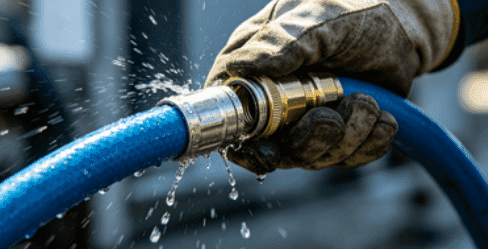
A small hydralic fitting connects hydraulic hoses, tubes, valves, cylinders, and pumps within a hydraulic system. These fittings are designed to create secure and leak-resistant connections under pressure.
Small Size, High Performance
Small fittings are commonly used where installation space is limited. Despite their compact dimensions, many are capable of operating at pressures above 3000 PSI.
Precision Fluid Control Concept
Compact hydraulic systems require precise fluid movement. Small hydraulic fittings help maintain stable flow rates while minimizing leakage and turbulence.
Why Compact Systems Need Smaller Fittings
Modern machinery is becoming smaller and more efficient. Compact fittings support lightweight system design and easier hose routing in narrow spaces.
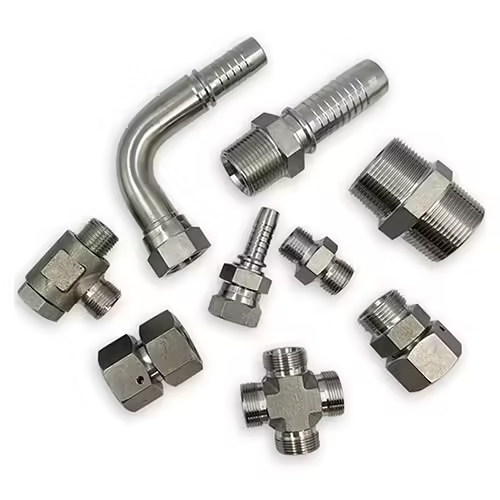
Common Small Hydralic Fitting Types
Different fitting styles are designed for different hydraulic applications.
Straight Hydraulic Fittings
Straight fittings connect components in a direct line.
Key Concept
This type minimizes pressure loss and is commonly used where hose routing is simple and unrestricted.
Elbow Hydraulic Fittings
Elbow fittings allow directional changes within a hydraulic line.
Key Concept
They reduce hose bending stress and help prevent hose fatigue in tight installation spaces.
Tee Hydraulic Fittings
Tee fittings split hydraulic flow into multiple directions.
Key Concept
These fittings are useful in hydraulic systems requiring multiple fluid pathways from a single source.
Cross Hydraulic Fittings
Cross fittings distribute hydraulic fluid into four directions simultaneously.
Key Concept
This configuration is often used in complex industrial hydraulic systems.
Thread Types Used in Small Hydralic Fitting Designs
Thread compatibility is critical for leak prevention and pressure stability.
| Thread Type | Main Region | Sealing Method |
|---|---|---|
| NPT | North America | Thread sealing |
| BSP | Europe & Asia | Parallel thread sealing |
| JIC | Global Industrial Use | Metal-to-metal flare |
| ORFS | High-pressure systems | O-ring face seal |
NPT Thread Concept
NPT threads create sealing through thread interference and are common in industrial systems.
JIC Fitting Concept
JIC fittings use a 37-degree flare seat to create strong metal-to-metal sealing performance.
ORFS Sealing Technology
ORFS fittings use O-ring compression to minimize leakage under high pressure.
Small Hydralic Fitting Materials Explained
Material selection directly impacts corrosion resistance, durability, and service life.
Carbon Steel Fittings
Carbon steel is widely used because of its high strength and affordable cost.
Best Use Scenario
General industrial hydraulic systems and construction machinery.
Stainless Steel Fittings
Stainless steel offers superior corrosion resistance.
Best Use Scenario
Marine systems, food processing equipment, and chemical industries.
Brass Hydraulic Fittings
Brass fittings are commonly used in lower-pressure hydraulic and pneumatic systems.
Best Use Scenario
Air systems and light-duty fluid transfer applications.
Pressure Ratings in Small Hydralic Fitting Applications
Hydraulic fittings must match system pressure requirements.
| Application | Typical Pressure |
| Agricultural Equipment | 1000–3000 PSI |
| Construction Machinery | 3000–6000 PSI |
| Manufacturing Automation | 1500–4000 PSI |
| Mining Equipment | 5000+ PSI |
Pressure Spike Concept
Hydraulic systems often experience temporary pressure surges higher than normal operating pressure.
Burst Pressure Safety Margin
Most hydraulic fittings are tested with burst pressures significantly above working pressure ratings.
Small Hydralic Fitting vs Standard Hydraulic Fittings
Choosing between compact and standard fittings depends on system design.
| Feature | Small Hydralic Fitting | Standard Hydraulic Fitting |
| Installation Space | Compact | Larger |
| Weight | Lightweight | Heavier |
| Pressure Capability | High | Very High |
| System Flexibility | Excellent | Moderate |
| Maintenance Access | Easier in compact systems | Easier in open systems |
Compact Design Advantage
Small fittings improve flexibility in compact machinery layouts.
Flow Capacity Limitation
Larger fittings generally support higher flow rates in large hydraulic systems.
Installation Best Practices for Small Hydralic Fitting
Proper installation is essential for system reliability.
Correct Torque Application
Over-tightening can damage threads and sealing surfaces.
Installation Insight
Always follow manufacturer torque specifications during assembly.
Proper Hose Alignment
Misaligned hoses create stress on fittings and reduce service life.
Clean Assembly Environment
Contaminants introduced during installation may damage hydraulic components.
Maintenance Tips for Small Hydralic Fitting Systems
Routine inspection helps prevent leakage and system downtime.
Visual Inspection Procedure
Check for:
- Corrosion
- Fluid leakage
- Surface cracks
- Damaged threads
Vibration Monitoring
Continuous vibration can loosen hydraulic connections over time.
Seal Condition Inspection
Damaged O-rings and sealing surfaces should be replaced immediately.
Common Failure Causes in Small Hydralic Fitting Systems
Thread Damage
Improper assembly may damage fitting threads and reduce sealing efficiency.
Excessive Pressure
Pressure beyond system rating can deform fittings or cause leakage.
Corrosion Exposure
Moisture and chemicals accelerate fitting deterioration.
Thermal Expansion
Temperature fluctuations may weaken hydraulic connections over time.
Industrial Applications of Small Hydralic Fitting
Construction Equipment
Mini excavators and compact loaders rely heavily on small hydraulic connections.
Agricultural Machinery
Hydraulic fittings support steering, lifting, and spraying systems.
Manufacturing Automation
Automated equipment uses compact hydraulic systems for precision movement.
Marine Hydraulic Systems
Corrosion-resistant fittings are required for offshore environments.
Hydraulic Sealing Technologies in Modern Fittings
Metal-to-Metal Sealing
Creates strong sealing under high pressure without soft sealing materials.
O-Ring Compression Sealing
Uses elastomeric sealing to improve leak prevention.
Tapered Thread Sealing
Relies on thread deformation to prevent fluid leakage.
How to Choose the Best Small Hydralic Fitting

Consider Operating Pressure
Select fittings with sufficient safety margins.
Evaluate Chemical Compatibility
Hydraulic fluid compatibility affects seal life and material durability.
Check Temperature Range
Extreme temperatures require specialized materials and sealing systems.
Match Thread Standards
Incorrect thread combinations are a common cause of leakage.
Conclusion
Small hydralic fitting systems are essential components in modern hydraulic engineering. Their compact size, pressure resistance, and flexibility make them ideal for construction equipment, manufacturing systems, agricultural machinery, and industrial automation.
Choosing the right fitting requires understanding pressure ratings, material compatibility, sealing technology, and installation requirements. With proper selection and maintenance, high-quality hydraulic fittings improve system efficiency, reduce leakage risk, and extend equipment lifespan.
FAQ
What is a small hydralic fitting used for?
It connects hydraulic components in compact systems while maintaining pressure stability and leak resistance.
Which material is best for hydraulic fittings?
Stainless steel is best for corrosive environments, while carbon steel is widely used for general industrial applications.
How do I know if a hydraulic fitting is leaking?
Common signs include visible fluid seepage, pressure loss, and oil residue around the connection.
Can small hydraulic fittings handle high pressure?
Yes. Many compact hydraulic fittings are designed for pressures above 5000 PSI.
What causes hydraulic fitting failure most often?
Improper installation, excessive vibration, corrosion, and pressure spikes are the most common causes.