Table of Contents
Introduction


In today’s fast-paced manufacturing world, efficiency is key. For businesses that rely on hydraulic systems and rubber products, ensuring the highest quality and speed in production processes can make or break profitability. One crucial component that contributes significantly to efficient production is the turning rubber barrel.
A turning rubber barrel is a specialized product designed to support hydraulic machinery, offering exceptional durability and precision. It’s used in a variety of industries to ensure that rubber products can withstand harsh working conditions, high temperatures, and corrosive environments.
In this blog, we’ll explore how turning rubber barrels enhance production efficiency, their role in reducing leakage risks, and why they are essential for businesses aiming for top-tier performance. We will also look at the various features and benefits, and how Hebei Minglai Pipe Fitting Co., Ltd. ensures the best materials and quality control to meet customer needs.
What is a Turning Rubber Barrel?
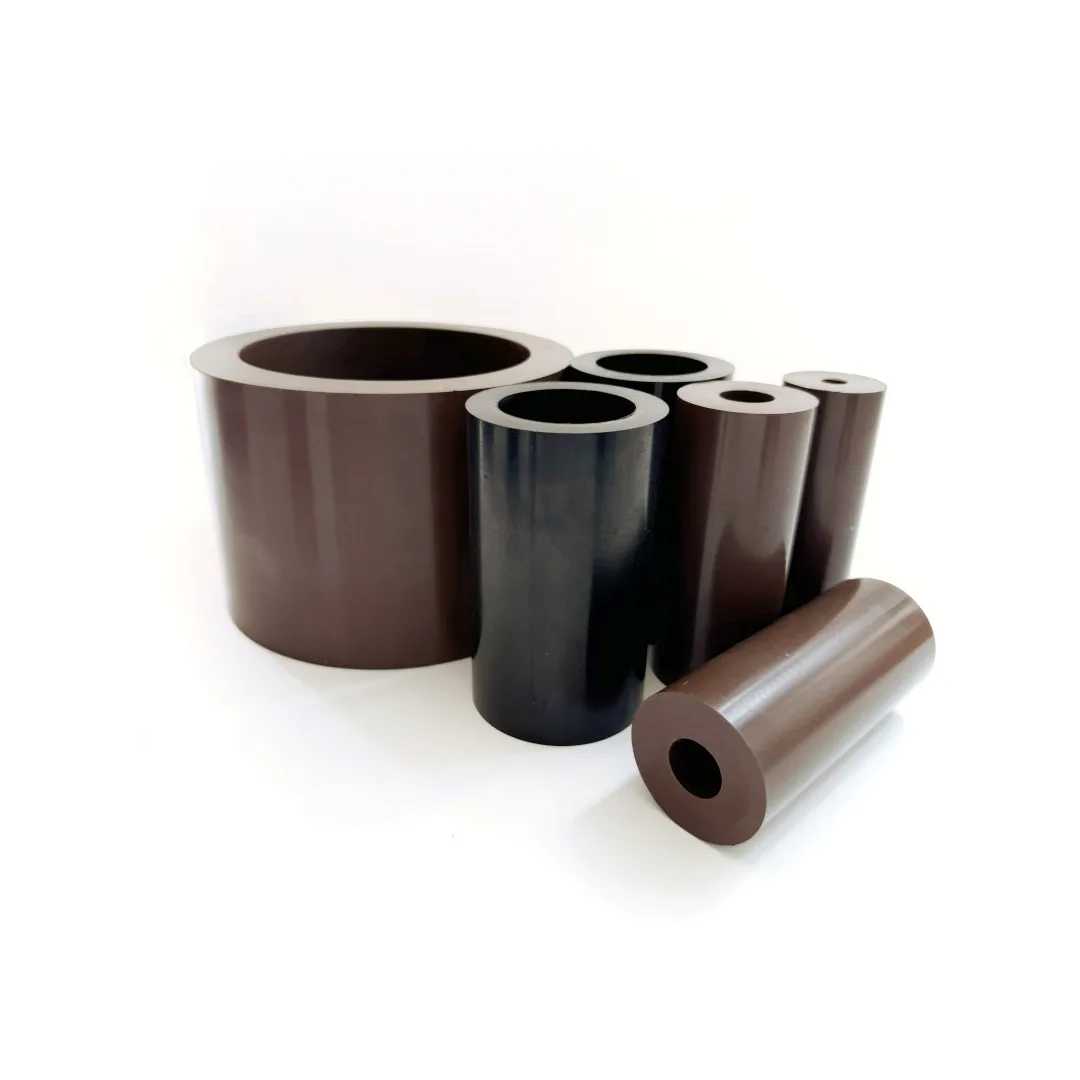
A turning rubber barrel is a specialized component that plays a critical role in hydraulic and industrial systems, especially those that demand high performance and durability under extreme conditions. These barrels are made from high-quality rubber compounds that undergo a precision turning process to achieve a smooth, burr-free inner surface. This precision is essential for reducing friction, minimizing the risk of leakage, and ensuring that the barrel can handle the high pressures and stresses it encounters during operation.
In industrial settings, turning rubber barrels are used in machinery and equipment that operate under demanding conditions, where traditional materials might fail. The rubber used in these barrels is specifically designed to resist corrosion, high temperatures, and aging, which are common issues in environments such as chemical plants, automotive manufacturing, and construction sites.
Turning rubber barrels are vital for ensuring that systems remain operational and efficient over long periods. By providing flexibility, superior sealing capabilities, and long-term durability, these barrels help minimize maintenance needs, reduce downtime, and optimize production efficiency.
Key Features
- Corrosion and High-Temperature Resistance: Designed to perform in challenging conditions without degrading over time.
- Precision Manufacturing: The inner walls of turning rubber barrels are carefully turned to ensure smoothness, reducing friction and preventing leaks.
- Aging and Tear Resistance: Special rubber materials are used to ensure durability even after prolonged exposure to harsh environments.
- Customization: Turning rubber barrels can be tailored to meet specific production needs, ensuring compatibility with various machinery and systems.
How Turning Rubber Barrels Improve Production Efficiency
Turning rubber barrels play a crucial role in improving overall production efficiency by enhancing the performance of hydraulic systems and machinery. These barrels are used in various industries, including automotive, manufacturing, and construction, where equipment must operate under extreme conditions. Their ability to withstand such harsh environments, while also reducing leakage risks, directly impacts the speed, consistency, and quality of production. By integrating high-performance turning rubber barrels into your production processes, businesses can ensure smoother operations, increased output, and lower operational costs.
1. Reduced Leakage Risk for Better Performance
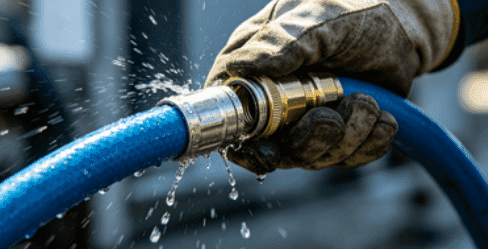
One of the primary advantages of turning rubber barrels is their ability to minimize the risk of leakage, which is a common issue in hydraulic systems and industrial machinery. In any hydraulic or industrial system, leakage can lead to significant downtime, decreased productivity, and even potential safety hazards. Leaking fluids not only waste valuable resources but also cause system inefficiencies, making it more difficult to maintain constant production output.
The precision turning process used in manufacturing turning rubber barrels ensures that the inner surfaces of the barrels are smooth and free from burrs or rough edges, which are often points of weakness where leaks may develop. With a carefully crafted, uniform structure, the risk of fluid leakage is greatly reduced. By preventing these leaks, turning rubber barrels help maintain consistent performance and protect machinery from damage, ultimately leading to better productivity, safer operations, and reduced downtime. This contributes to a more reliable and efficient production process, which is essential for businesses looking to optimize their operations.
2. Enhanced Durability for Long-Term Use
Durability is a key factor in improving production efficiency, especially when working in demanding industrial environments. The longevity of turning rubber barrels is largely determined by the materials used in their construction. High-quality rubber compounds, including aging-resistant and tear-resistant materials, provide exceptional strength and durability under extreme conditions. These materials ensure that the rubber barrels can withstand the wear and tear that typically results from continuous use in harsh environments, such as high pressures, temperature extremes, and exposure to chemicals.
The durability of turning rubber barrels means they require fewer replacements and repairs, which directly translates into cost savings. Businesses can reduce the frequency of maintenance schedules and avoid unexpected downtime that often results from replacing worn-out parts. This is particularly beneficial in industries where production must run continuously, and delays or maintenance-related stoppages are costly. A more durable turning rubber barrel ensures consistent performance over time, with minimal intervention required, allowing businesses to maintain high production standards without compromising quality.
3. Increased Flexibility for Customization
Another key benefit of turning rubber barrels is their high level of customization, which allows them to be tailored to meet the specific needs of different machinery and production systems. The flexible nature of turning rubber barrels allows them to be produced in a variety of shapes, sizes, and configurations. Whether a business requires a standard-sized barrel or a custom design to fit unique machinery, turning rubber barrels offer the adaptability necessary for different production lines and systems.
This ability to customize the turning rubber barrels makes them highly versatile, ensuring that businesses can integrate them into their operations, regardless of the specific equipment or industry in which they are used. Customization options might include adjustments for size, shape, material hardness, and performance characteristics, such as increased resistance to heat, abrasion, or chemical exposure. The flexibility to customize these barrels ensures that they meet the precise demands of your production process, which, in turn, improves operational efficiency. Whether you need special-shaped structures or additional features, the turning rubber barrel can be modified to support a range of different production requirements.
4. Superior Heat and Corrosion Resistance
In many industrial sectors, machinery and equipment are exposed to high temperatures, corrosive chemicals, or both. Turning rubber barrels are specifically designed to withstand these harsh environments, providing reliable protection against deterioration due to heat, corrosion, or chemical exposure. The rubber compounds used in the production of turning rubber barrels are formulated to resist thermal degradation, ensuring that the barrels can maintain their structural integrity even in high-temperature environments.
Additionally, the corrosion-resistant properties of these barrels ensure that they remain intact when exposed to aggressive chemicals or moisture, which is a common concern in manufacturing processes that involve liquid materials. Without sufficient corrosion resistance, barrels and other rubber components can quickly degrade, leading to leaks, contamination of fluids, and costly repairs. Turning rubber barrels designed for superior heat and corrosion resistance, therefore, prevent the need for frequent replacements and repairs, while also ensuring that machinery operates smoothly without the risk of equipment failure. This makes them an ideal choice for industries such as chemical processing, automotive manufacturing, and construction, where exposure to extreme conditions is common.
5. Minimizing Maintenance Costs and Production Interruptions
By enhancing durability, reducing leakage, and offering customized solutions, turning rubber barrels also help businesses minimize maintenance costs and reduce production interruptions. These barrels are engineered for longevity, meaning businesses will spend less on repairs, replacements, and labor costs associated with frequent maintenance. The reduced risk of leaks and breakdowns ensures that operations run smoothly, without unexpected shutdowns or costly repair processes that might otherwise halt production.
With fewer maintenance needs and longer product lifespans, turning rubber barrels make it easier for businesses to manage their operations efficiently. This results in cost savings, better allocation of resources, and improved production timelines. Companies can allocate their time and capital to other crucial areas of their business, knowing that their machinery is running at peak efficiency with minimal oversight required. Moreover, the longer-lasting performance of these barrels contributes to overall profitability, making them a wise investment for any business looking to streamline its production process.
Turning Rubber Barrel Manufacturing Process


The manufacturing process involves several stages, each crucial for ensuring high-quality, durable products. Below is an overview of the key stages in the production of turning rubber barrels.
| Stage | Description | Benefits |
|---|---|---|
| Material Selection | High-quality, corrosion-resistant, heat-resistant rubber is selected for production. | Ensures long-lasting durability and reliable performance. |
| Precision Turning | The rubber barrel is precisely turned to achieve a smooth, burr-free inner surface. | Reduces leakage risks and minimizes friction. |
| Custom Shaping | Special-shaped structures can be processed for specific customer needs. | Increases flexibility and meets customized production needs. |
| Quality Control Testing | Each barrel undergoes strict testing for durability, leakage resistance, and performance. | Guarantees top-notch quality and reduces defect rates. |
| Final Inspection & Packaging | The final product is inspected to ensure it meets all standards before shipping. | Assures customer satisfaction and consistency in quality. |
Applications
Turning rubber barrels have a wide range of applications across various industries, thanks to their durability and performance in extreme conditions. Here are some of the key sectors that benefit from these products:
1. Hydraulic Systems and Equipment
Turning rubber barrels are commonly used in hydraulic machinery where high-pressure systems require reliable components that can withstand harsh conditions. These barrels help maintain smooth operation, reduce leaks, and ensure optimal performance.
2. Automotive Industry
In the automotive industry, turning rubber barrels are used in various applications, including components of hydraulic suspension systems and sealing solutions. Their ability to endure high temperatures and pressure makes them essential in automotive manufacturing.
3. Construction and Heavy Machinery
Construction machinery, including cranes and excavators, rely on turning rubber barrels to ensure smooth hydraulic operations. These barrels are crucial in preventing leaks and enhancing the durability of equipment that operates in tough environments.
4. Industrial Manufacturing
For general industrial applications, turning rubber barrels provide reliable solutions for fluid handling and sealing needs. Their versatility in size, shape, and performance makes them ideal for numerous manufacturing processes.
Conclusion
Turning rubber barrels are essential components in hydraulic systems and machinery, offering increased efficiency, durability, and performance. By reducing leakage risks, enhancing heat and corrosion resistance, and providing customizable solutions, turning rubber barrels significantly contribute to the smooth operation of manufacturing processes across various industries.
At Hebei Minglai Pipe Fitting Co., Ltd., we provide high-quality turning rubber barrels that meet the stringent demands of modern manufacturing. With a focus on precision, durability, and customer satisfaction, we help businesses enhance their production efficiency and achieve top-tier performance. Contact us today for more information and to discuss your specific needs!
FAQ
1. What makes turning rubber barrels different from regular rubber barrels?
Turning rubber barrels undergo a precision turning process that ensures smooth, burr-free surfaces, reducing the risk of leaks and improving their overall performance in hydraulic systems.
2. Can turning rubber barrels be customized for specific machinery?
Yes, turning rubber barrels can be tailored to meet the specific requirements of your machinery, including size, shape, and special performance features.
3. What industries benefit most?
Turning rubber barrels are widely used in industries such as automotive, construction, hydraulic systems, and general manufacturing, where durability and high performance are essential.
4. How long do turning rubber barrels last?
Turning rubber barrels are made from high-quality, durable rubber materials that are resistant to aging, tearing, and heat, ensuring a long lifespan even in demanding environments.
5. Are turning rubber barrels resistant to high temperatures?
Yes, turning rubber barrels are specifically designed to resist high temperatures and corrosive substances, making them suitable for use in harsh working conditions.