Blog Highlights
- Key mistakes in hydraulic pipe fittings installation and maintenance
- Material selection errors and corrosion issues
- Proper torque and alignment practices
- Comparison of common fitting types and their vulnerabilities
- Industry case studies highlighting common failures
- FAQs addressing real-world hydraulic system concerns
Introduction

Hydraulic systems rely heavily on precise, secure pipe fittings to ensure smooth operation, safety, and efficiency. Mistakes in selecting, installing, or maintaining hydraulic pipe fittings can lead to pressure leaks, equipment downtime, reduced system lifespan, and safety hazards in high-pressure environments. According to a 2023 study by the International Hydraulic Association, over 40% of hydraulic system failures are linked to improper fittings installation or material mismatch. Understanding common errors is crucial for engineers, maintenance teams, and procurement specialists.
Table of Contents
Understanding Hydraulic Pipe Fittings
What Are Hydraulic Pipe Fittings?
Hydraulic pipe fittings are components used to connect sections of hydraulic pipes or hoses, ensuring leak-free transmission of fluid under high pressure. They allow flexibility, directional changes, and system expansion.
Core Components Include:
- Fitting body: The main connector
- Sealing element: O-ring, gasket, or metal-to-metal contact
- Thread or flange: Connection interface
Types of Hydraulic Pipe Fittings
- Straight fittings: Simple alignment connections
- Elbows and bends: Change pipe direction without leaks
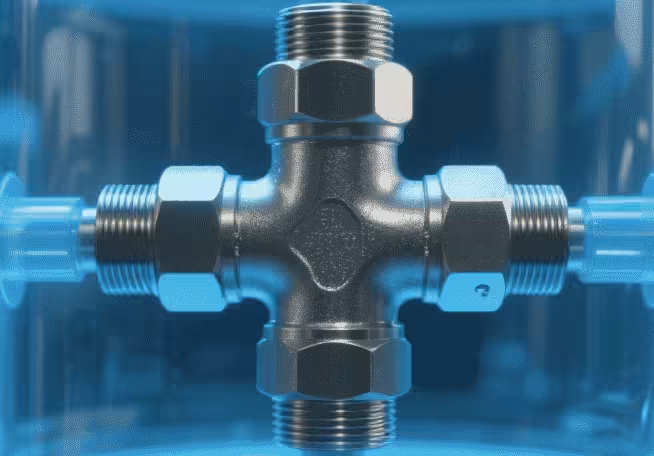
- Tees and cross fittings: Enable multiple pipeline connections
- Adapters: Allow compatibility between different thread standards
Common Hydraulic Pipe Fittings Mistakes

Material Selection Errors
Using the wrong material can compromise system integrity. Low-grade steel may corrode in water-based hydraulic fluids, while stainless steel is better for corrosive or high-pressure systems. Improper selection increases maintenance frequency and risk of failure.
Incorrect Torque Application
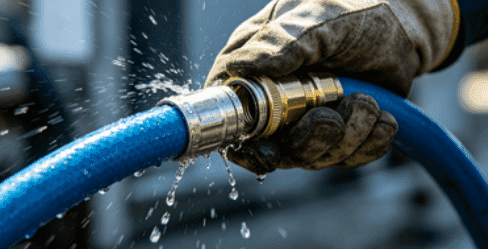
Over-tightening or under-tightening fittings can deform threads or sealing surfaces, lead to fluid leaks, and cause equipment damage under high pressure. Always follow manufacturer torque charts and use calibrated wrenches.
Misalignment and Improper Installation
Misaligned fittings create stress points and vibration, resulting in fatigue or joint failure over time. Proper pipe supports and alignment tools are essential to ensure system reliability.
Using Incompatible Seals or Gaskets
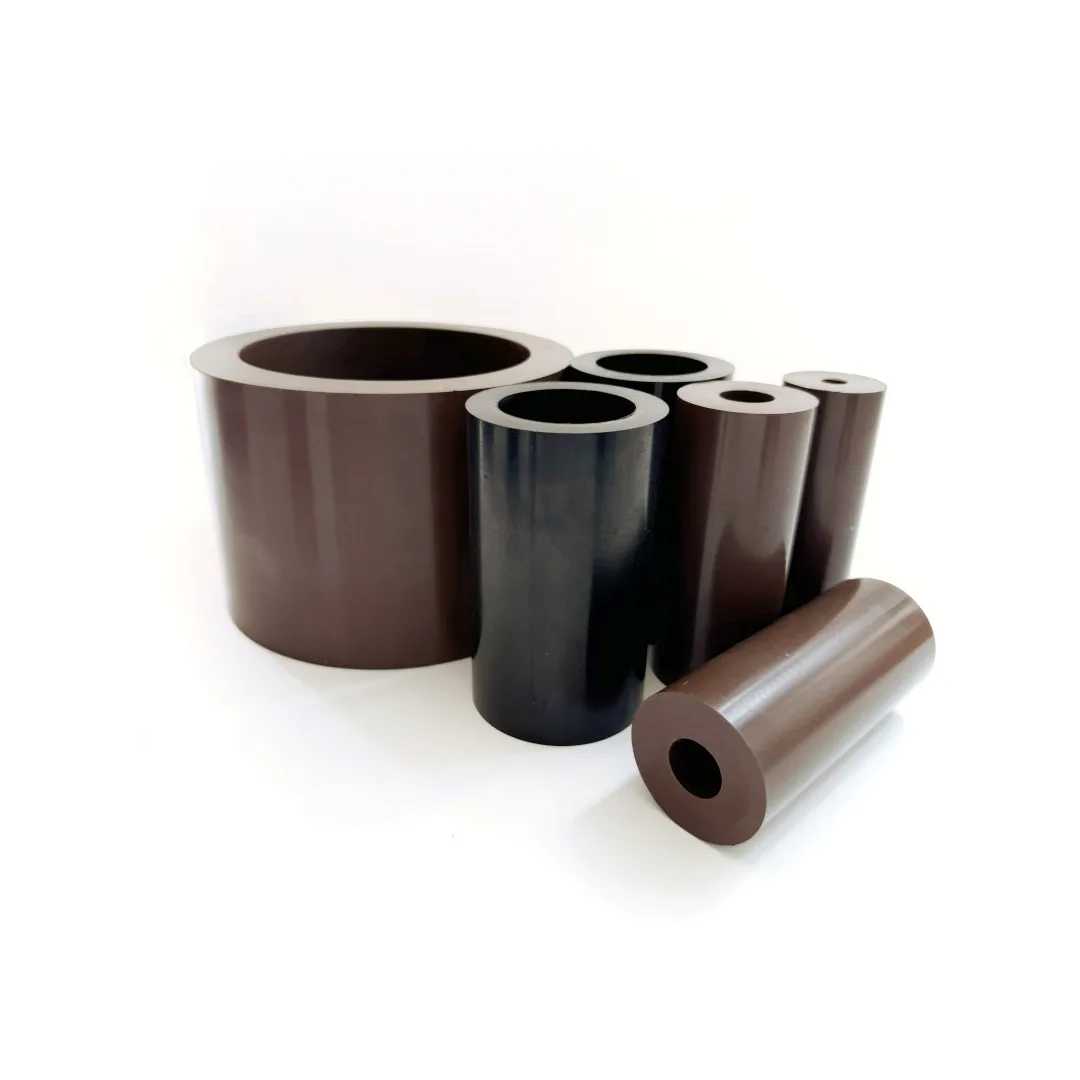
Seals must match pressure, temperature, and fluid type. PTFE, rubber, and metal gaskets each have specific applications. Wrong choice can lead to leaks or catastrophic failure.
Comparison of Hydraulic Pipe Fittings Mistakes
| Mistake Type | Potential Risk | Recommended Solution |
|---|---|---|
| Material mismatch | Corrosion, leaks | Use compatible materials for fluid type |
| Incorrect torque | Thread damage, leaks | Follow manufacturer torque tables |
| Misalignment | Fatigue, vibration | Use pipe supports and proper alignment |
| Wrong seal type | Fluid leakage | Match seal to pressure, temperature, and fluid |
| Neglecting maintenance | Unexpected failures | Implement regular inspection schedule |
Case Studies
Industrial Manufacturing Plant
Problem: Leaks in high-pressure hydraulic lines
Cause: Under-torqued fittings and misaligned elbows
Solution: Re-installed with proper torque and supports
Result: 30% reduction in downtime and maintenance cost
Agricultural Machinery
Problem: Frequent seal failures
Cause: Using incompatible O-rings for vegetable oil-based hydraulic fluid
Solution: Switched to FKM seals suitable for oil type
Result: System reliability improved, downtime minimized
Installation Best Practices for Hydraulic Pipe Fittings
Proper Torque Techniques
Use a calibrated torque wrench, follow manufacturer specifications for each fitting type, and avoid excessive or insufficient tightening.
Alignment and Support
Keep pipes and fittings aligned, use clamps or supports to reduce vibration stress, and check alignment during assembly and after system start-up.
Seal and Gasket Management
Select material compatible with operating conditions, inspect gaskets before installation, and replace worn or damaged seals immediately.
Conclusion
Avoiding mistakes in hydraulic pipe fittings installation, material selection, and maintenance is crucial for system efficiency, safety, and longevity. By following proper standards, using compatible materials, applying correct torque, and regularly inspecting fittings, engineers and technicians can prevent leaks, reduce maintenance costs, and improve overall system reliability. Implementing best practices ensures hydraulic systems operate safely, consistently, and efficiently across industrial, agricultural, and commercial applications.
FAQ
1. What is the most common hydraulic pipe fitting mistake?
Improper torque during installation is the leading cause of leaks and thread damage.
2. Can I mix different hydraulic pipe fitting materials?
Mixing materials is possible but requires checking chemical compatibility and pressure ratings to avoid corrosion or failure.
3. How often should hydraulic fittings be inspected?
Industrial guidelines recommend inspection every 3–6 months, depending on pressure, fluid type, and operating environment.
4. What happens if a gasket fails in a hydraulic system?
A failed gasket can cause fluid leaks, pressure loss, and system downtime. Immediate replacement is critical.
5. Are all hydraulic fittings interchangeable?
No, fittings must match thread standards, pressure ratings, and size specifications to ensure leak-free connections.