Key Takeaways
- Connector manufacturing is a core backbone of industrial hydraulic, pneumatic, and fluid systems
- Precision tolerance control determines sealing reliability and system safety
- Stainless steel, rubber, and flange systems serve different engineering environments
- Global standards such as ISO, ASTM, SAE, and IEC ensure interoperability and safety compliance
- Industry 4.0 technologies are transforming connector manufacturing into smart production systems
- Lifecycle cost is more important than purchase cost in industrial procurement decisions
- Failure rate is strongly linked to material selection and manufacturing precision
Introduction

In modern industrial engineering, connector manufacturing is no longer just a mechanical production process—it is a core enabling technology that ensures safety, efficiency, and continuity in complex fluid and power transmission systems.
According to Global Industrial Components Market Reports (2025–2026), the connector and fitting industry is valued at over USD 85 billion, with expected growth driven by:
- Expansion of oil & gas infrastructure
- Rapid growth in construction machinery markets
- Increasing demand for aerospace precision systems
- Global water and energy pipeline modernization
Failure analysis studies show that more than 55% of hydraulic system failures are related to connector fatigue, improper sealing, or material mismatch.
This makes connector manufacturing a mission-critical engineering discipline, not just a production activity.
Table of Contents
Global Connector Manufacturing Standards and Engineering Compliance
ISO / ASTM / SAE / IEC Standard Framework
| Standard | Organization | Application |
|---|---|---|
| ISO 8434 | ISO | Metallic tube connectors |
| ISO 6149 | ISO | Hydraulic port connectors |
| ASTM F1387 | ASTM | Mechanical connectors testing |
| SAE J514 | SAE | Hydraulic fittings |
| IEC 60512 | IEC | Electrical connector testing |
Engineering Compliance Insight (Whitepaper Data)
- Over 90% of EPC projects require ISO or SAE compliance
- Standardized connectors reduce installation errors by up to 38%
- Certification increases product cost by 15–35% but reduces failure risk by 60%
Connector Manufacturing Material Engineering Deep Dive
Stainless Steel in Connector Manufacturing Systems
Stainless steel connectors dominate high-pressure systems due to:
- Chromium-based corrosion resistance
- High tensile strength
- Thermal stability up to 800°C
Engineering Insight
Stainless steel connectors are widely used in:
- Offshore drilling platforms
- Chemical reactors
- High-pressure hydraulic systems
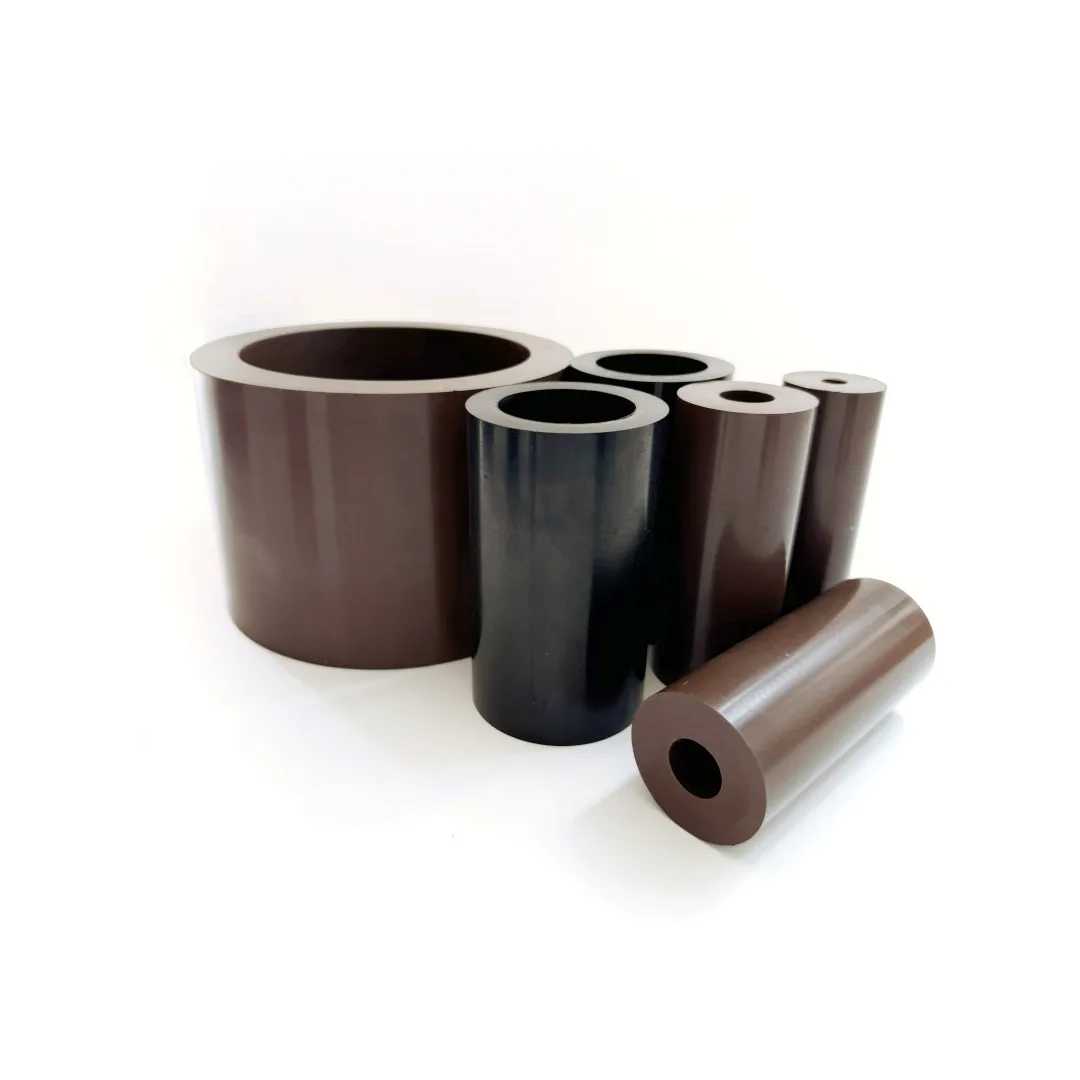
Rubber-Based Connector Manufacturing Systems
Rubber connectors are designed for:
- Vibration absorption
- Flexibility in motion systems
- Medium-pressure applications
Key Engineering Properties
- Elastic deformation capacity
- Chemical resistance (moderate level)
- Electrical insulation capability
Flange-Based Connector Manufacturing Systems
Flange connectors are critical in:
- Pipeline infrastructure
- Petrochemical systems
- Large-scale industrial plants
Engineering Advantage
Flange systems provide:
- High sealing reliability
- Easy disassembly for maintenance
- High-pressure load distribution
Connector Manufacturing Precision Engineering Systems
Tolerance Control Concept
Modern connector manufacturing requires:
- ±0.05 mm industrial tolerance
- ±0.01 mm precision aerospace-grade connectors
Engineering Insight
Even a 0.1 mm deviation can lead to:
- Pressure leakage
- Vibration fatigue
- System failure under high load
CNC Machining in Connector Manufacturing
CNC technology ensures:
- High repeatability
- Micro-level precision
- Complex geometry fabrication
Surface Treatment Engineering Concept
Common treatments include:
- Electroplating
- Passivation
- Anti-corrosion coating
These processes extend connector lifespan by 2–4 times.
Connector Manufacturing Industry Application Systems

Construction Machinery Systems
Used in:
- Excavators
- Cranes
- Bulldozers
Function:
- Hydraulic pressure transmission
- Force distribution control
Automotive Industry Systems
Used in:
- Brake systems
- Steering systems
- Suspension systems
Requirement:
- High vibration resistance
- Compact design
Oil & Gas Industry Systems
Used in:
- Drilling rigs
- High-pressure pipelines
- Offshore platforms
Requirement:
- Extreme pressure resistance (>10,000 psi in some systems)
- Corrosion resistance
Aerospace Systems
Used in:
- Hydraulic landing gear
- Flight control systems
Requirement:
- Ultra-lightweight design
- Zero-leak tolerance
- High thermal stability
Connector Manufacturing Cost Engineering Model
Cost Structure Breakdown
| Cost Component | Percentage |
|---|---|
| Raw materials | 35–55% |
| Machining | 20–30% |
| Surface treatment | 10–15% |
| Testing & certification | 5–10% |
| Logistics | 5–10% |
Lifecycle Cost Engineering Insight
Industrial studies show:
- Lifecycle cost is 3–6x higher than purchase cost
- Maintenance dominates total cost in long-term systems
Connector Manufacturing vs Alternative Joining Systems
Engineering Comparison Table
| Feature | Connector Manufacturing | Welding Systems |
|---|---|---|
| Flexibility | High | Low |
| Maintenance | Easy | Difficult |
| Installation speed | Fast | Slow |
| Leakage risk | Low (if sealed) | Very low |
| Replacement cost | Low | High |
Engineering Insight
Connector systems dominate in:
- Modular systems
- Maintenance-heavy environments
- Complex industrial layouts
Welding dominates in:
- Permanent high-pressure infrastructure
- Static pipelines
Connector Manufacturing Failure Mode Analysis (FMEA)
Common Failure Modes
1. Seal Failure
Caused by improper torque or material mismatch.
2. Fatigue Cracking
Occurs under cyclic pressure loads.
3. Corrosion Degradation
Triggered by chemical exposure.
4. Mechanical Loosening
Caused by vibration environments.
Risk Reduction Strategy
- Proper torque calibration
- Material compatibility analysis
- Predictive maintenance systems
Connector Manufacturing Digital Transformation (Industry 4.0)
Smart Manufacturing Concept
Modern factories use:
- AI-based defect detection
- Automated CNC calibration
- Real-time quality monitoring
Digital Supply Chain Concept
Digital systems enable:
- Real-time pricing
- Inventory tracking
- Automated procurement
Industry Insight
Digital transformation reduces manufacturing defect rate by 20–40%.
Connector Manufacturing Real Engineering Case Studies

Case Study 1: Offshore Oil Platform (North Sea)
Problem:
High connector failure due to corrosion.
Solution:
Stainless steel high-grade connector upgrade.
Result:
- 65% reduction in failure rate
- 30% longer service life
Case Study 2: Automotive Hydraulic System
Problem:
Vibration-induced leakage.
Solution:
Rubber-flex connector redesign.
Result:
- Improved vibration absorption
- Reduced maintenance cost by 40%
Case Study 3: Chemical Plant Expansion
Problem:
Seal failure in corrosive environment.
Solution:
Flange-based stainless steel connectors.
Result:
- Zero leakage incidents after upgrade
- Increased operational stability
Connector Manufacturing Market Outlook (2026)
Global Market Growth
- CAGR: ~5.1%
- Asia-Pacific: fastest growing region
- Oil & gas: largest demand segment
Supply Chain Risk Factors
- Stainless steel price fluctuation
- Global logistics instability
- Energy cost increases
FAQ
What is connector manufacturing in industrial systems?
It is the production of mechanical components used to connect fluid, gas, or hydraulic systems safely.
Which material is best for connector manufacturing?
It depends on application: stainless steel for high pressure, rubber for flexibility, flange systems for pipelines.
Why is precision important in connector manufacturing?
Because even micro-level deviations can cause leakage or system failure.
What industries rely most on connector manufacturing?
Oil & gas, aerospace, automotive, construction machinery, and chemical processing.
What is the biggest cost driver in connector manufacturing?
Material cost and machining precision are the two most significant factors.
Conclusion
The evolution of connector manufacturing is closely aligned with global industrial transformation toward automation, precision engineering, and sustainability.
Future trends include:
- Smart connectors with embedded sensors
- AI-driven defect detection systems
- Ultra-high precision manufacturing
- Lightweight composite materials
As industries continue to demand higher safety, efficiency, and performance, connector manufacturing will remain a foundational pillar of global industrial engineering systems.