Key Takeaways
- Complete industrial guide to fitting hydraulic quality check methods and standards
- Step-by-step inspection framework for hydraulic fitting performance and safety
- Comparison of testing methods: pressure, leakage, dimensional, and material inspection
- Key international standards (ISO, SAE, DIN) used in quality control
- Common failure causes and how to prevent them in hydraulic systems
- Practical checklist for engineers, buyers, and QC inspectors
- FAQ section based on real-world procurement and engineering queries
Table of Contents
Introduction
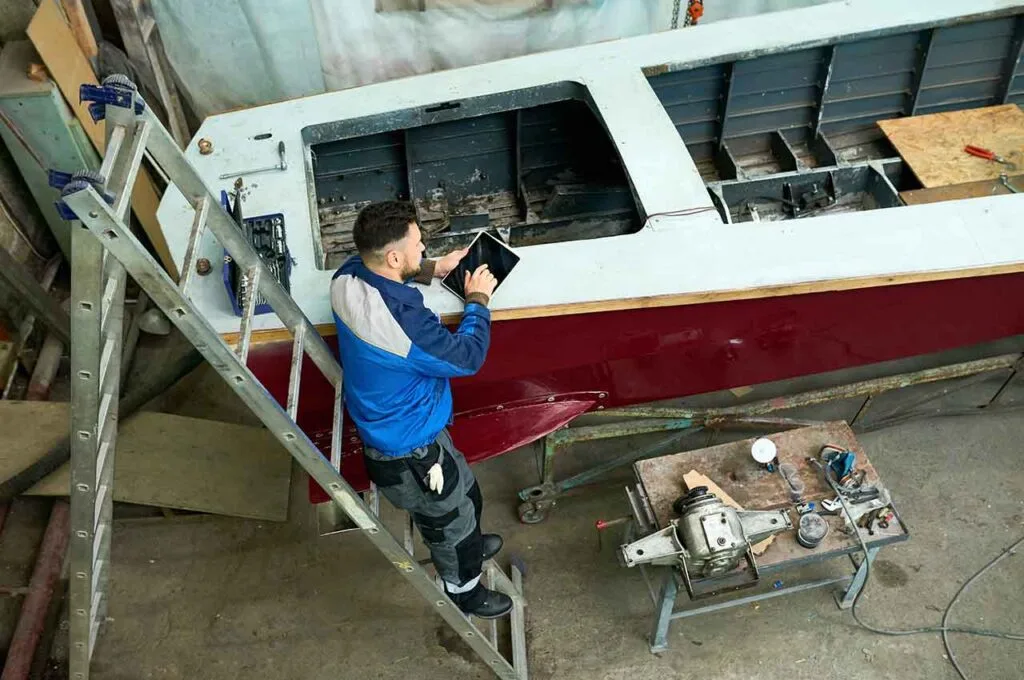
In industrial fluid power systems, a single defective connector can lead to system-wide failure. A proper fitting hydraulic quality check ensures safety, reliability, and long service life in high-pressure environments.
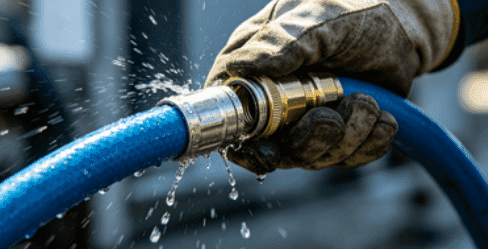
Hydraulic systems often operate under pressures exceeding 3000–10000 psi, where even microscopic defects can lead to leakage, pressure loss, or catastrophic failure. According to industrial maintenance reports, nearly 25% of hydraulic system downtime is linked to poor-quality fittings or improper inspection processes.
This guide explains how professional engineers and procurement teams perform a structured quality check for hydraulic fittings used in modern industrial systems.
Fitting Hydraulic Quality Check Inspection Framework
Fitting Hydraulic Quality Check Overview
A standard inspection process includes:
- Visual inspection
- Dimensional accuracy testing
- Pressure and leakage testing
- Material composition verification
- Surface treatment evaluation
Each step ensures the fitting meets industrial safety requirements.
Concept: Multi-Layer Quality Control System
A modern fitting hydraulic quality control system is built in layers:
- Incoming material inspection
- In-process manufacturing control
- Final product pressure testing
- Batch traceability verification
This layered system reduces defect probability by up to 40–60% compared to single-stage inspection models.
Fitting Hydraulic Material Quality Evaluation
Stainless Steel Material Testing
Key Properties Checked
- Corrosion resistance level
- Tensile strength
- Chemical composition (304 vs 316 grade)
Engineering Insight
316 stainless steel contains molybdenum, significantly improving resistance to chloride corrosion in marine and chemical environments.
Carbon Steel vs Stainless Steel Comparison
| Material Type | Corrosion Resistance | Strength | Cost Level | Application |
|---|---|---|---|---|
| Carbon Steel | Low–Medium | High | Low | Construction |
| 304 Stainless Steel | Medium | Medium–High | Medium | General industry |
| 316 Stainless Steel | High | High | High | Marine / chemical |
Fitting Hydraulic Pressure Testing Methods
Hydrostatic Pressure Test
This is the most common testing method in hydraulic fitting production.
Procedure
- Apply water or hydraulic fluid pressure
- Increase pressure gradually to test level
- Maintain pressure for a fixed duration
Standard Benchmark
Most industrial fittings are tested at 1.5x to 2x working pressure.
Burst Pressure Testing
Concept: Safety Margin Validation
Burst testing determines the maximum pressure a fitting can withstand before failure.
Typical industrial standard:
- Working pressure × 4 safety factor
Leakage Detection Test
Methods Used
- Air pressure testing
- Helium leak detection (high precision systems)
- Bubble immersion test
Leak-free performance is critical for hydraulic safety systems.
Fitting Hydraulic Dimensional Accuracy Inspection

Thread Measurement Check
Incorrect threading is one of the most common causes of hydraulic leakage.
Parameters Checked
- Thread pitch accuracy
- Thread depth consistency
- Surface finish quality
Sealing Surface Flatness
Even minor surface irregularities can lead to pressure loss.
Engineering Standard
Flatness tolerance is typically maintained within ±0.01–0.05 mm depending on application.
Fitting Hydraulic Surface Quality Control
Surface Treatment Inspection
Common Treatments
- Zinc plating
- Nickel coating
- Passivation (for stainless steel)
Purpose
Surface treatment improves corrosion resistance and extends product lifespan.
Concept: Micro-Crack Detection
Micro-cracks are invisible defects that can expand under pressure cycles. Advanced inspection uses:
- Dye penetrant testing
- Ultrasonic inspection
- Magnetic particle testing
Fitting Hydraulic Standards Compliance System
ISO Standards
- ISO 8434: Hydraulic tube fittings
- ISO 12151: Hose assembly requirements
SAE Standards
- SAE J514: Hydraulic fittings specification
- SAE J516: Hose fitting standards
DIN Standards
- DIN 2353: Metric fittings system
- DIN EN ISO 8434 compatibility framework
Fitting Hydraulic Failure Analysis
Common Failure Causes
1. Improper Installation
Over-tightening or misalignment causes thread damage.
2. Material Mismatch
Using low-grade materials in high-pressure systems leads to early failure.
3. Pressure Overload
Exceeding rated pressure causes deformation or rupture.
4. Poor Quality Control
Lack of inspection leads to undetected defects entering the system.
Fitting Hydraulic Industrial Case Studies
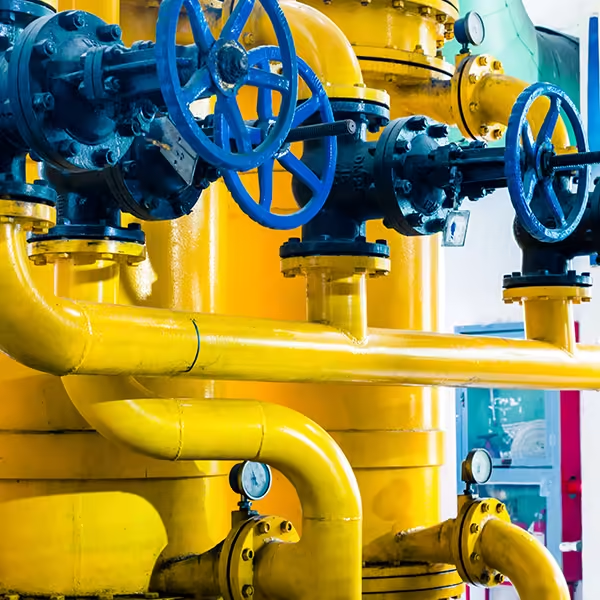
Case Study 1: Hydraulic Press Factory Upgrade
A manufacturing plant improved its inspection process for fittings.
Results
- 32% reduction in leakage incidents
- 20% increase in system uptime
Case Study 2: Marine Hydraulic System Failure Prevention
After switching to strict quality inspection protocols:
- Corrosion-related failures reduced by 45%
- Maintenance frequency significantly decreased
Case Study 3: Construction Equipment Optimization
Improved fitting inspection process led to:
- 28% longer component lifespan
- Reduced downtime in field operations
Fitting Hydraulic Quality Check Checklist
Step-by-Step Inspection Guide
- Verify material certificate
- Check surface treatment quality
- Measure thread dimensions
- Perform pressure test
- Conduct leakage test
- Verify labeling and traceability
Conclusion
A strict fitting hydraulic quality check system is essential for ensuring industrial safety, efficiency, and long-term reliability.
By implementing multi-layer inspection, pressure testing, dimensional control, and compliance with international standards, industries can significantly reduce failure risk and improve operational performance.
In modern hydraulic systems, quality control is not just a manufacturing step—it is a critical engineering safeguard that determines system success or failure.
FAQ
What is a fitting hydraulic quality check?
It is a systematic inspection process used to verify hydraulic fittings meet safety and performance standards.
Why is hydraulic fitting inspection important?
Because even small defects can cause leakage, pressure loss, or system failure in high-pressure environments.
What pressure is used for testing hydraulic fittings?
Typically 1.5 to 2 times working pressure for hydrostatic testing.
Which material is best for hydraulic fittings?
316 stainless steel is preferred for corrosive and high-pressure environments.
How often should hydraulic fittings be inspected?
Inspection is recommended during installation and periodically depending on system usage intensity.