Blog Highlights
- Essential maintenance strategies for flange and fitting systems
- Differences in care for stainless steel and PVC materials
- Inspection, cleaning, and preventive techniques
- Cost analysis and lifecycle considerations
- Industry standards and compliance
- Case studies, whitepapers, and best practices
- Troubleshooting, common mistakes, and FAQs
- Sustainability and technological innovations
Introduction
In the industrial and commercial piping world, flange and fitting failures are among the most common causes of system downtime, leaks, and costly repairs. These components serve as connection points in pipelines, which are critical for safe fluid or gas transport.
According to a 2023 report by the International Association of Plumbing and Mechanical Officials (IAPMO), more than 35% of industrial pipeline failures are caused by poorly maintained joints, including flanges and fittings. Regular maintenance not only extends component lifespan but also ensures operational safety and regulatory compliance.
For engineers, facility managers, and procurement teams, understanding the best practices for flange and fitting maintenance is essential for reducing costs, avoiding emergencies, and ensuring reliable pipeline performance.
Table of Contents
Understanding Flange and Fitting Systems
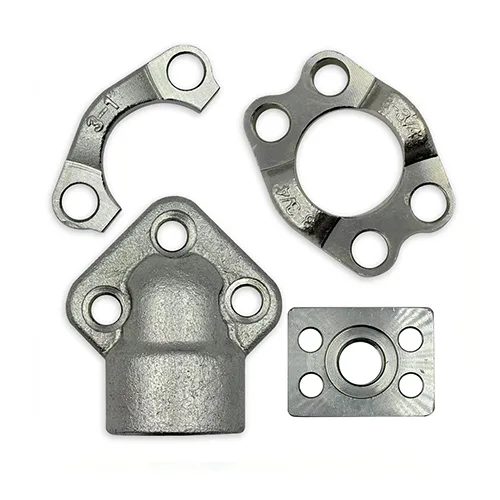
Flanges: Core Concepts
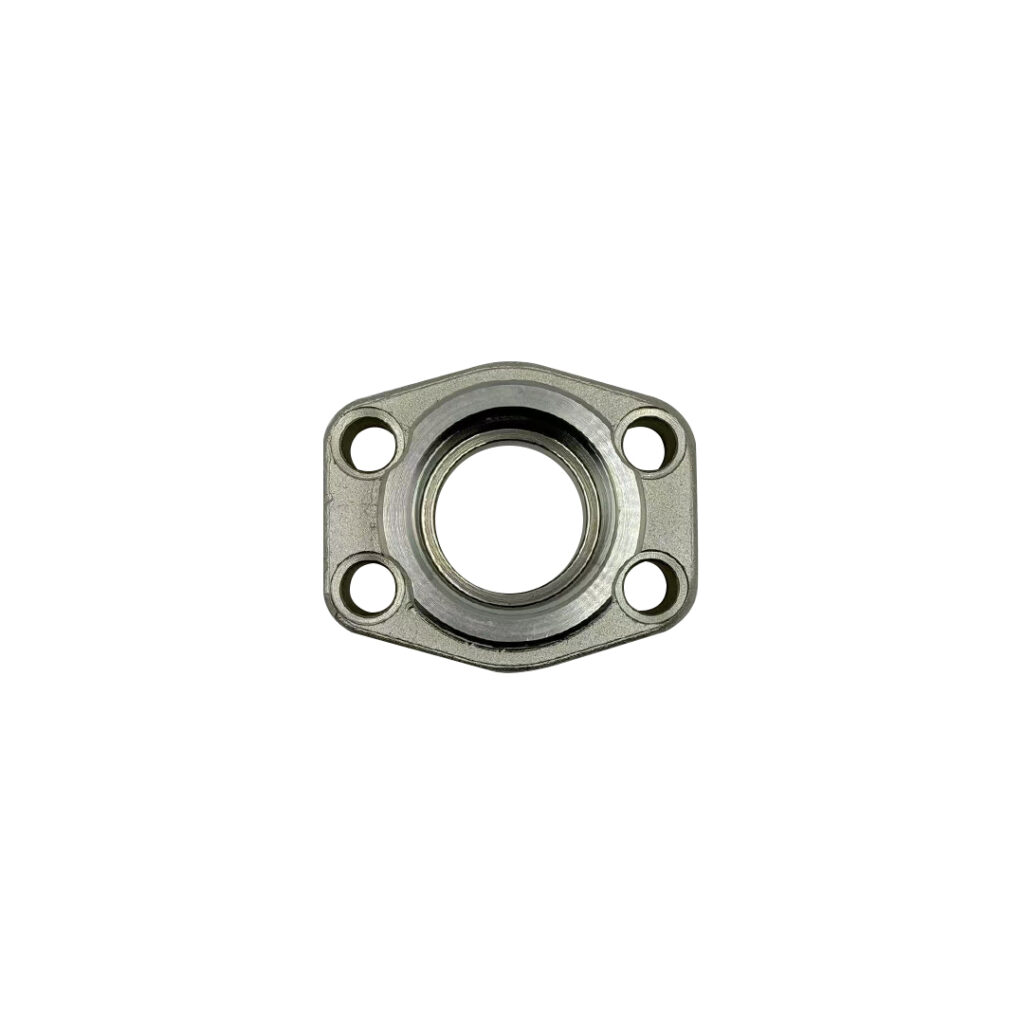
Flanges provide the interface between pipes, valves, pumps, and other equipment, enabling disassembly and maintenance without cutting pipes. Common types include:
- Weld Neck Flanges: High-pressure applications with robust welded connections.
- Slip-On Flanges: Economical and easy to install for low-pressure systems.
- Blind Flanges: Used to seal pipeline ends for inspection or system expansion.
Fittings: Core Concepts
Fittings allow redirection, reduction, or extension of pipelines. Typical fittings include:
- Elbows: Change the direction of flow, typically 45° or 90°.
- Tees and Crosses: Split or combine flow paths.
- Reducers: Connect pipes of different diameters.
- Couplings and Caps: Provide secure joint connections and closure.
Material Considerations
- Stainless Steel Flanges and Fittings: Preferred for high-pressure, high-temperature, or corrosive environments.
- PVC Flanges and Fittings: Cost-effective, lightweight, suitable for low-pressure, residential, or irrigation applications.
Inspection and Monitoring
Visual Inspection
Routine visual checks identify signs of corrosion, leaks, or mechanical stress before failure occurs. Focus areas include:
- Bolt tension and alignment
- Gasket condition and compression
- Surface corrosion or pitting on metallic components
Tools and Techniques
- Torque wrenches for checking bolt tightness
- Ultrasonic thickness gauges to detect wall thinning
- Thermal cameras to identify hot spots in high-temperature pipelines
Frequency Guidelines
- High-pressure industrial systems: Monthly inspections
- Low-pressure PVC pipelines: Quarterly inspections
- After exposure to extreme chemical, UV, or thermal conditions: Immediate check
Cleaning and Corrosion Prevention
Stainless Steel Maintenance
- Mild chemical cleaners prevent surface oxidation
- Non-abrasive brushes maintain gasket and sealing surface integrity
- Anti-corrosion sprays improve longevity in chemical or marine environments
PVC Maintenance
- Water and mild detergent for cleaning
- Avoid organic solvents that degrade polymer integrity
- UV-resistant coatings for outdoor exposure
Preventive Techniques
- Lubricate bolts and nuts with anti-seize compounds
- Apply PTFE tape or compatible sealants to threaded connections
- Replace gaskets during routine maintenance to ensure leak-free operation
Maintenance Comparison of Flange and Fitting Materials
| Aspect | Stainless Steel | PVC |
|---|---|---|
| Corrosion Resistance | Excellent | Moderate |
| Pressure Tolerance | High (up to 1000 psi) | Low to Medium (up to 150 psi) |
| Temperature Range | -200°C to 427°C | 0°C to 60°C |
| Cleaning Requirements | Chemical or mild abrasive | Water & mild detergent |
| Replacement Interval | 20–50 years | 10–20 years |
This comparison allows engineers to align material choice with operational demands and maintenance capacity.
Common Maintenance Mistakes
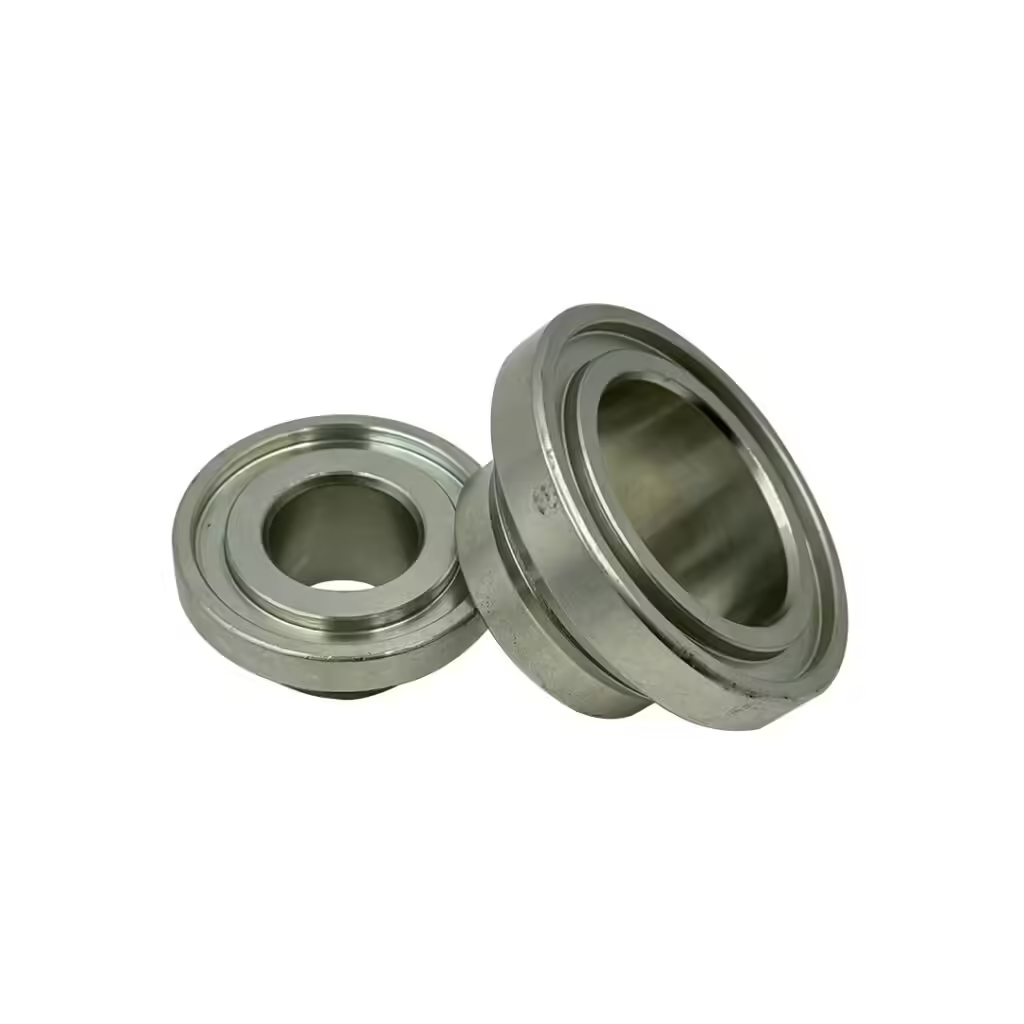
Over-Tightening Bolts
Excessive torque can warp flanges, damage gaskets, or cause leaks. Always follow manufacturer specifications.
Ignoring Environmental Factors
Outdoor pipelines, chemical exposure, or marine environments require increased maintenance frequency.
Using Incompatible Cleaning Agents
Strong acids, alkalis, or abrasive tools can degrade gaskets and damage flange surfaces.
Skipping Documentation
Maintaining logs of inspections, repairs, and replacements helps track component lifespan and compliance.
Cost and Lifecycle Considerations
Long-Term Value of Maintenance
Investing in routine maintenance reduces emergency repairs and replacement frequency. According to ENR 2022 pipeline survey, facilities maintaining stainless steel couplings and flanges saw a 25% reduction in total lifecycle costs over 20 years.
Budget Allocation
- Stainless steel: Higher upfront cost, lower long-term maintenance
- PVC: Lower initial cost, potentially higher replacement frequency
ROI Analysis
Proper maintenance can extend system lifespan by 50–70%, saving millions in industrial-scale installations.
Case Studies and Industry Insights
Case Study 1: Chemical Plant (Southeast Asia)
- 316L stainless steel flanges and fittings installed across 20 km pipeline network
- Maintenance inspections reduced downtime by 40%
- Lifecycle costs lowered by 30% over 10 years
Case Study 2: Municipal Water Supply (North America)
- PVC flanges and fittings used for 10 km distribution pipeline
- Initial cost 60% lower than stainless steel
- Lifespan: 15–20 years, suitable for low-pressure systems
Whitepaper Reference
According to “Pipeline Integrity Management” by NACE International (2023), consistent flange and fitting maintenance reduces failure risk by over 50%, particularly in corrosive or high-pressure environments.
Advanced Maintenance Techniques
Digital Monitoring
- IoT sensors track vibration, temperature, and leakage in real-time
- Alerts for preventive maintenance improve operational safety
Predictive Maintenance
- AI-based analysis predicts gasket wear and flange fatigue
- Enables scheduling maintenance before failures occur
BIM Integration
- Building Information Modeling allows visualization of flange and fitting layouts
- Facilitates inspection planning and lifecycle analysis
Sustainability and Environmental Considerations
- Stainless Steel: >90% recyclable, compatible with LEED and BREEAM standards
- PVC: Recyclable but involves chlorine-based production
- Carbon Footprint: Modern electric-arc furnace production reduces emissions by up to 60% compared to traditional methods
Troubleshooting Common Issues
Leak Detection
- Inspect gasket alignment and bolt torque
- Check for cracks or corrosion in flanges
- Use ultrasonic or pressure testing for hidden leaks
Mechanical Failures
- Warping due to over-tightening
- Fatigue from thermal expansion
- Vibration-induced loosening
Material-Specific Challenges
- Stainless steel: Susceptible to crevice corrosion if maintenance ignored
- PVC: Vulnerable to UV degradation and cracking under high temperature
Conclusion
Effective flange and fitting maintenance ensures pipeline safety, efficiency, and long-term reliability. Engineers must consider:
- Material selection (stainless steel vs PVC)
- Inspection and cleaning schedules
- Environmental and operational conditions
- Industry standards compliance (ASME, ISO, NACE)
By combining routine maintenance, modern monitoring technologies, and best practices, facilities can significantly reduce failures, extend pipeline life, and optimize operational costs. Proper maintenance is not just a technical requirement—it is a strategic investment in safety, sustainability, and efficiency.
FAQ
1. How often should flanges and fittings be inspected?
High-pressure systems: monthly; low-pressure systems: quarterly; after chemical or UV exposure: immediate inspection.
2. Can household chemicals clean stainless steel flanges?
Only mild, non-abrasive cleaners are recommended. Avoid bleach or strong acids.
3. What is the best way to prevent leaks?
Ensure proper gasket type, correct bolt torque, and regular inspections.
4. Do PVC flanges require less maintenance?
Yes, but they are more sensitive to UV and temperature extremes.
5. When should components be replaced rather than repaired?
If corrosion, cracks, or warping compromises pressure integrity, replacement is necessary.
6. Are there digital solutions for flange maintenance?
Yes, IoT sensors, AI predictive systems, and BIM integration improve monitoring and scheduling.
7. How do environmental conditions affect maintenance frequency?
Marine, chemical, or outdoor exposure increases inspection frequency and preventive care.