Table of Contents
Introduction
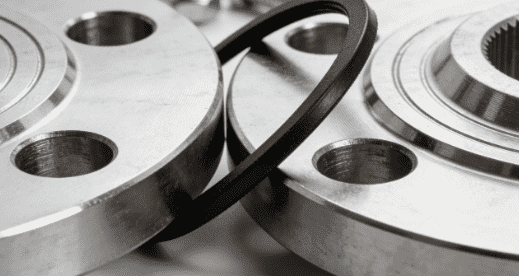
In industrial piping, water treatment, chemical processing, and high-pressure fluid systems, flanged stainless steel fittings are more than just connectors—they are the backbone of system integrity. According to a 2023 survey by Fluid Systems International, over 40% of pipeline leaks are traced back to improperly sized or mismatched fittings. Choosing the correct flange type, size, and material ensures:
- Leak-free connections
- Long-term durability
- Compliance with industry safety standards
This comprehensive guide covers everything from standard sizes and pressure classes to installation tips, material selection, and real-world application insights, helping engineers, procurement specialists, and technicians make informed decisions.
Key Points Covered in This Guide
- Understanding what flanged stainless steel fittings are and their industrial importance
- Standard sizes and dimensions of flanged fittings
- Material selection: 304 vs 316 vs duplex stainless steel
- Pressure classes and temperature ratings
- Types of flanged fittings and their applications
- Installation best practices and maintenance tips
- Performance comparisons with threaded and socket weld fittings
- Real-world case studies and expert recommendations
- FAQ section addressing top Google search questions
What Are Flanged Stainless Steel Fittings?
Flanged stainless steel fittings are mechanical components with flat or raised flanges, designed to connect pipes, valves, pumps, and other equipment in a leak-resistant manner. Bolted connections make them ideal for systems requiring frequent maintenance or inspection.
Key Features
- High Corrosion Resistance: Stainless steel withstands water, oil, chemicals, and corrosive environments
- Pressure Tolerance: Suitable for low, medium, and high-pressure systems
- Maintenance-Friendly: Easy to disassemble, clean, or replace
Industry Insight:
According to John Mitchell, Senior Piping Engineer at FluidTech International, “The choice of flange size and material often determines whether a system will operate efficiently for decades or face premature failures.”
Standard Sizes of Flanged Stainless Steel Fittings
Nominal Pipe Size (NPS)
Fittings are designed to match NPS ranging from 1/2″ to 24″, with compatibility defined by ASME B16.5.
Pressure Classes
| Class | Pressure Rating (psi) | Typical Application |
|---|---|---|
| 150 | Up to 285 | Water, low-pressure pipelines |
| 300 | Up to 740 | Medium-pressure chemical systems |
| 600 | Up to 1480 | High-pressure oil & gas pipelines |
| 900 | Up to 2220 | High-pressure industrial pipelines |
| 1500 | Up to 3705 | Petrochemical & industrial high-pressure systems |
Flange Dimensions
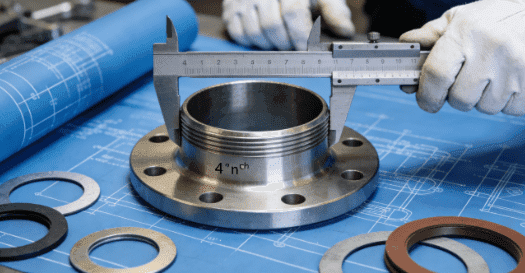
Key flange dimensions include Outer Diameter (OD), Bolt Circle Diameter (BCD), Thickness, and Number of Bolt Holes, all affecting pressure tolerance and alignment.
| NPS | OD (in) | BCD (in) | Thickness (in) | Bolt Holes | Pressure Class |
|---|---|---|---|---|---|
| 1/2″ | 3.5 | 2.75 | 0.44 | 4 | 150 |
| 2″ | 6.0 | 4.75 | 0.50 | 8 | 300 |
| 6″ | 11.0 | 9.0 | 0.69 | 12 | 600 |
| 12″ | 20.0 | 16.5 | 0.88 | 16 | 600 |
| 24″ | 32.0 | 27.0 | 1.25 | 24 | 900 |
Material Selection for Flanged Stainless Steel Fittings
Common Stainless Steel Grades
- 304 Stainless Steel: General-purpose, corrosion-resistant for water and mild chemicals
- 316 Stainless Steel: Superior corrosion resistance, ideal for chemical and marine environments
- Duplex Stainless Steel: High strength and excellent resistance to stress corrosion cracking
Comparing Materials
| Feature | 304 SS | 316 SS | Duplex SS |
|---|---|---|---|
| Corrosion Resistance | Moderate | High | Very High |
| Cost | Medium | High | Higher |
| Pressure Tolerance | Moderate | High | Very High |
| Applications | Water, HVAC | Chemical, marine | Oil & gas, industrial |
Expert Tip:
“For pipelines exposed to saltwater or aggressive chemicals, 316 SS or duplex SS is strongly recommended over 304 SS to avoid early corrosion failures.” — Sarah Lee, Senior Materials Engineer, PipeTech Co.
Types of Flanged Stainless Steel Fittings
Elbows
- Change pipe direction at 45° or 90° angles
- Smooth flow reduces pressure loss
Tees
- Split or combine flow
- Can be equal or reducing
Reducers
- Connect different pipe sizes
- Maintain flow efficiency and pressure balance
Caps & Plugs
- Terminate pipelines safely
- Facilitate maintenance and pressure testing
Crosses
- Four-way connections for complex piping systems
- Used in chemical and industrial applications
Installation Best Practices
Aligning Flanges
- Proper alignment ensures even gasket compression and prevents leaks
Bolt Installation
- Use correct grade bolts and torque in star pattern to distribute pressure evenly
Gasket Selection
- Material must be compatible with the fluid
- Common options: PTFE, graphite, rubber
Maintenance Tips
- Inspect flanges regularly for corrosion or wear
- Re-torque bolts periodically in high-vibration environments
Performance Comparison: Flanged vs Threaded vs Socket Weld
| Feature | Flanged SS Fittings | Threaded SS Fittings | Socket Weld SS Fittings |
|---|---|---|---|
| Installation | Easy assembly/disassembly | Quick for small pipes | Permanent, requires welding |
| Pressure Rating | High | Medium | High |
| Maintenance | Easy | Moderate | Difficult |
| Cost | Medium | Low | High |
| Applications | Industrial, chemical | Residential, small-scale | Industrial, high-pressure |
Industry Standards & Compliance
- ASME B16.5: Dimensions and pressure ratings for flanged fittings
- ASTM A182 / A351: Stainless steel grades and mechanical properties
- ISO 9001 Certified Fittings: Ensures consistent quality and reliability
Data Insight:
Studies show that pipelines using ASME-compliant flanged fittings have 30% lower leak rates than non-standard fittings.
Real-World Case Study: Oil & Gas Pipeline
A 2022 oil refinery retrofit project used 24″ duplex stainless steel flanged fittings:
- Original carbon steel fittings suffered corrosion and leaks within 2 years
- Duplex SS fittings lasted over 10 years without maintenance
- Pressure and temperature ratings exceeded Class 900 standards, providing system reliability
Conclusion
Flanged stainless steel fittings are essential for safe, reliable, and durable piping systems. Proper sizing, material selection, and compliance with standards ensure long-term operation, reduce maintenance costs, and prevent leaks.
By understanding sizes, pressure classes, materials, installation, and performance, engineers and technicians can design systems that perform efficiently across industrial, chemical, and water applications.
FAQ
What are flanged stainless steel fittings used for?
Connecting, redirecting, or terminating pipes securely in industrial, chemical, and water systems.
How do I select the correct size?
Match the nominal pipe size (NPS), pressure class, and application type. Refer to ASME B16.5 for standard dimensions.
Are flanged fittings reusable?
Yes, provided bolts and gaskets are in good condition.
What is the difference between 304, 316, and duplex stainless steel?
304 is general-purpose, 316 offers superior corrosion resistance, and duplex has high strength and resistance to stress corrosion cracking.
Can flanged fittings handle high pressure?
Yes, select the correct pressure class and stainless steel grade. Classes 600 and above are suitable for industrial high-pressure systems.