Table of Contents
Introduction
Hose pipe connectors may seem like small components in a fluid system, but their quality can make a significant difference in operational efficiency, safety, and maintenance costs. Choosing high-quality connectors ensures secure connections, prevents leaks, and supports the smooth flow of liquids or gases in industrial and commercial setups. This guide explores the key benefits of using premium hose pipe connectors in your facility and provides practical insights to help you make informed decisions.
Understanding Hose Pipe Connectors
A hose coupling is a device used to join hoses together or connect a hose to equipment. They come in various materials, sizes, and designs depending on the fluid type, operating pressure, and environmental conditions. High-quality connectors are engineered to withstand wear, corrosion, and high-pressure applications, ensuring reliable performance over time.
Enhanced Durability and Longevity
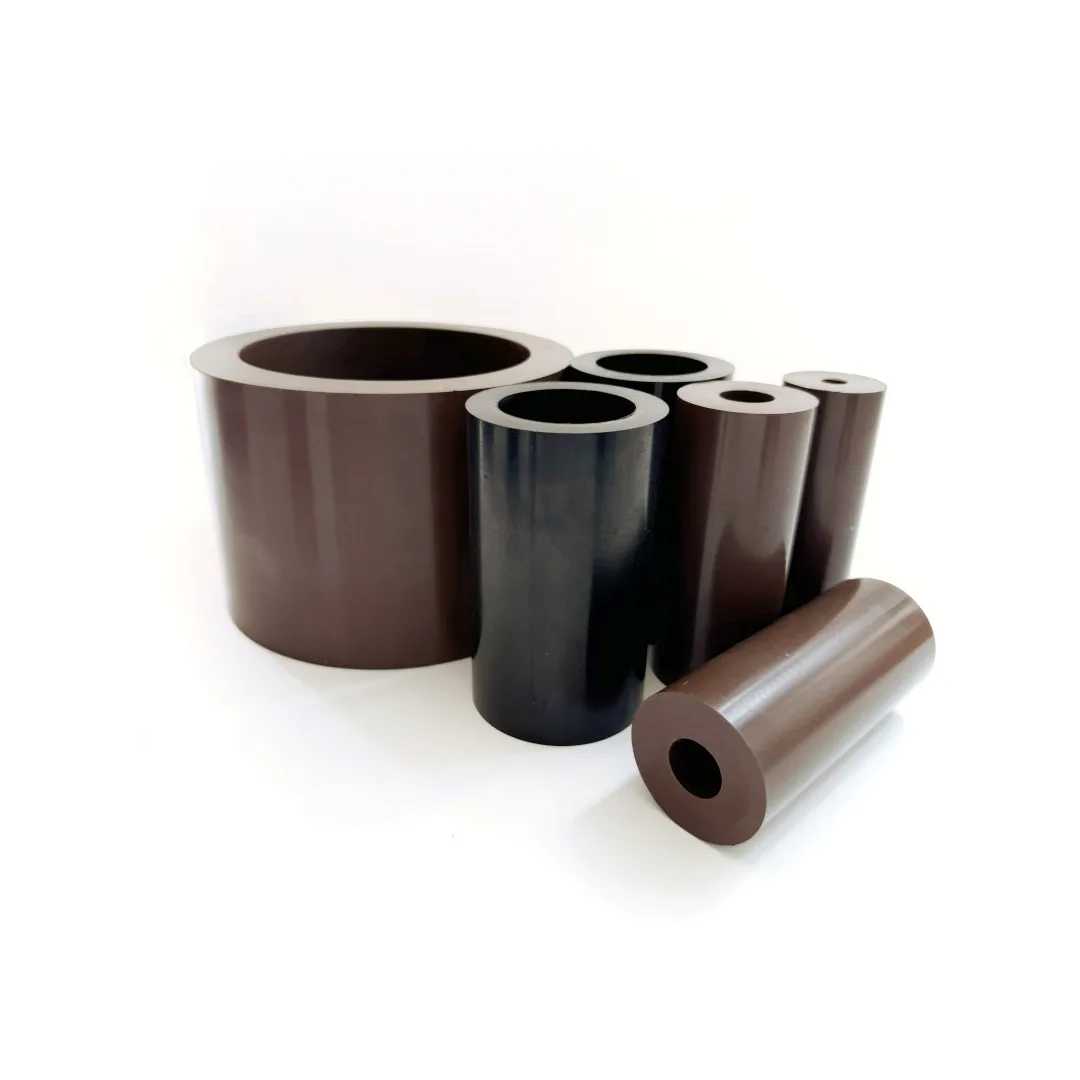
One of the main advantages of high-quality hose couplings is their durability. Made from robust materials such as stainless steel, brass, or reinforced polymers, these connectors resist corrosion, cracking, and deformation. Using durable connectors reduces replacement frequency, minimizes downtime, and lowers long-term maintenance costs, especially in facilities with continuous fluid handling.
Leak Prevention and Safety
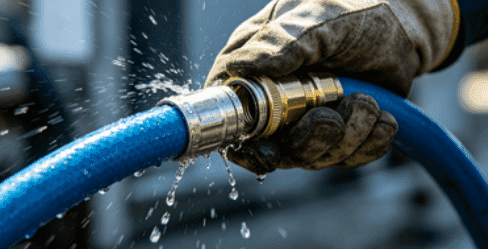
Leaks in fluid systems can lead to safety hazards, equipment damage, and productivity loss. Premium hose pipe connectors are designed with precise tolerances and high-quality seals to ensure leak-free connections. In chemical, hydraulic, or food-grade systems, reliable connectors prevent contamination, protect workers, and maintain system integrity.
Versatility Across Applications
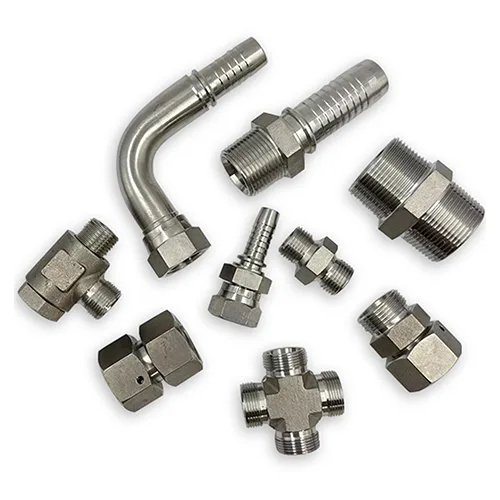
High-quality hose pipe connectors are suitable for a wide range of applications, from industrial fluid transfer and hydraulic systems to irrigation and plumbing. They are available in threaded, quick-connect, push-fit, and cam-lock types, allowing easy integration into various systems while supporting different pressure ratings and hose sizes.
Improved Efficiency and Flow Performance
The design of quality hose pipe connectors minimizes resistance and turbulence, supporting optimal flow rates. Smooth interior surfaces and precise fitting tolerances prevent pressure drops and ensure consistent fluid delivery. This translates to improved operational efficiency and reduced energy consumption in pumps and compressors.
Easy Installation and Maintenance
Reliable hose pipe connectors simplify assembly and maintenance. Quick-connect and push-fit designs reduce installation time, while robust materials resist wear and deformation during repeated use. Facilities benefit from lower labor costs and faster system setup, keeping operations running smoothly.
Compliance and Standards
Premium hose pipe connectors often comply with industrial standards, ensuring compatibility and safety. Certifications may include ISO, ASTM, or other regulatory approvals, giving facilities confidence in system performance and compliance with industry regulations.
Common Materials and Types of Hose Pipe Connectors
Here’s a quick overview of popular materials and connector types:
| Material | Advantages | Common Applications |
|---|---|---|
| Stainless Steel | Corrosion-resistant, durable, high-pressure | Industrial fluids, chemicals, food-grade |
| Brass | Strong, moderate corrosion resistance | Plumbing, irrigation, low-pressure fluids |
| Plastic/Polymer | Lightweight, cost-effective, chemical-resistant | Gardening, light-duty industrial |
| Aluminum | Lightweight, good corrosion resistance | Air systems, low to medium pressure fluids |
Ensuring Optimal Performance

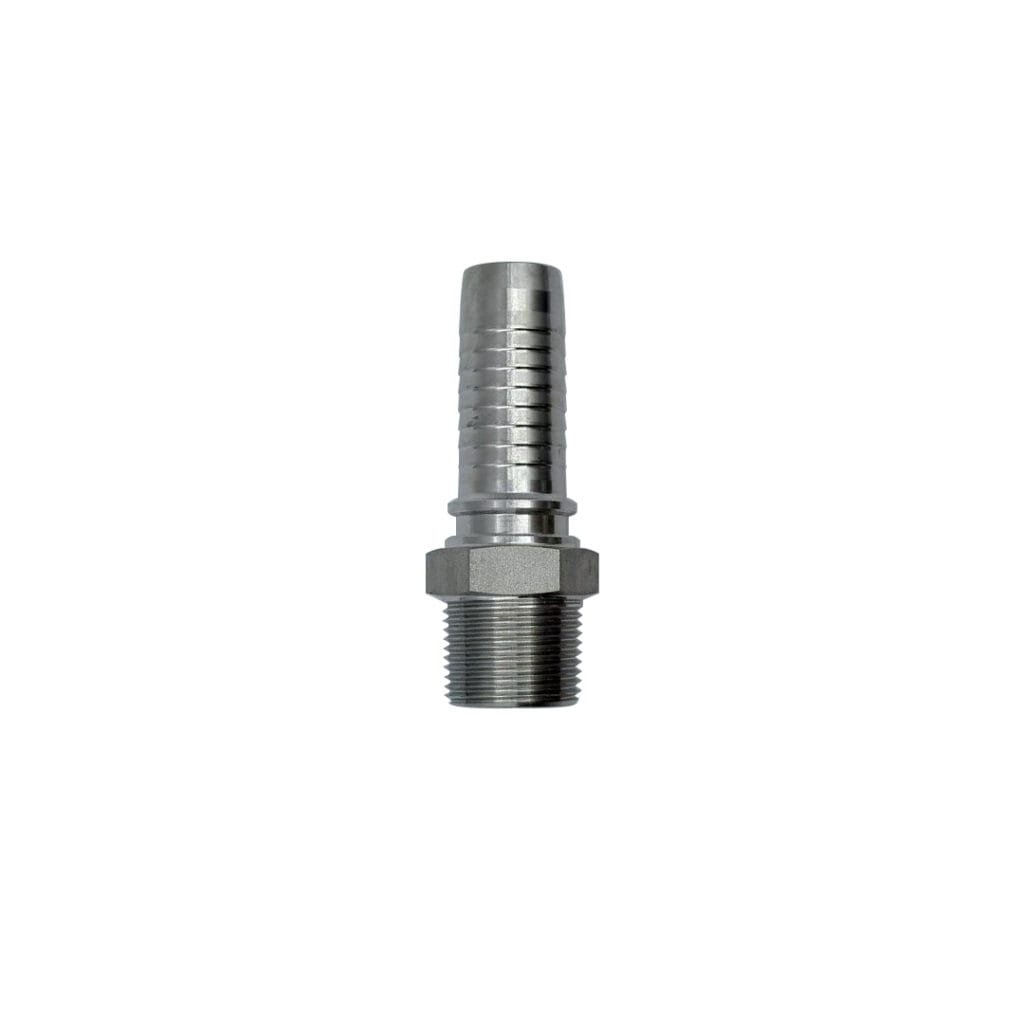
To get the most from your hose pipe connectors:
- Select connectors appropriate for your fluid type, pressure, and temperature.
- Inspect seals and fittings regularly to detect wear or damage.
- Ensure proper installation to prevent leaks and maintain system integrity.
Conclusion
High-quality hose pipe connectors provide durability, leak prevention, versatility, and efficiency, making them an essential component in any fluid handling system. Investing in premium connectors ensures long-term reliability, reduces maintenance costs, and enhances operational safety in your facility.
FAQ
What is a hose pipe connector used for?
A hose pipe connector joins hoses or connects a hose to equipment, ensuring secure, leak-free fluid or air transfer. High-quality connectors maintain system efficiency, prevent contamination, and support safe operations in industrial, commercial, and residential applications.
How do you choose the right hose pipe connector?
Choose based on hose size, pressure rating, material compatibility, and connection type. Stainless steel or brass works for high-pressure or chemical systems, while plastic connectors suit light-duty or garden use. Proper selection prevents leaks and optimizes flow performance.
What materials are hose pipe connectors made from?
Common materials include stainless steel, brass, aluminum, and polymers. Stainless steel resists corrosion and handles high pressure, brass offers strength, polymers are lightweight and chemical-resistant, and aluminum provides good corrosion resistance for low- to medium-pressure applications.
Why does a hose pipe connector leak?
Leaks occur due to improper installation, worn or damaged seals, incorrect sizing, or material degradation. Using high-quality connectors with precise tolerances and durable seals reduces the risk of leaks, ensuring reliable performance and maintaining system integrity.
Can hose pipe connectors be reused?
Yes, most connectors are reusable if they remain undamaged and seals are intact. Reusing connectors can reduce maintenance costs and waste, but each reuse should include inspection for wear, cracks, or seal degradation to maintain leak-free and safe operation.
Need Help Choosing the Right Hose Pipe Connector?
If you’re unsure about which hose pipe connector is best for your facility or system, our experts are here to help. Contact us today for a personalized consultation, and ensure your fluid systems are safe, efficient, and leak-free. Don’t wait until it causes downtime—get in touch now to protect your operations and your team!