Table of Contents
Introduction
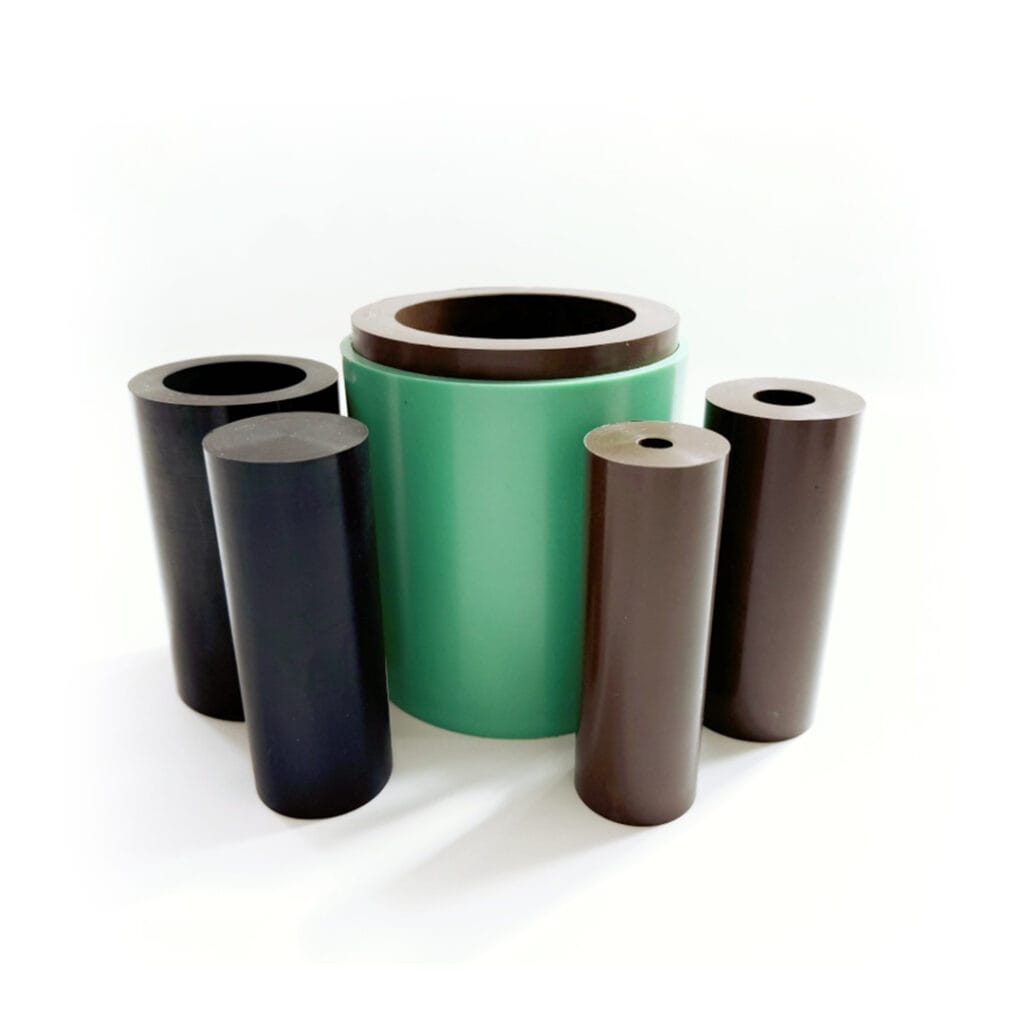
Hydraulic systems rely on more than just hoses and pumps to operate efficiently. Hoses accessories play a crucial role in ensuring safe fluid transfer, leak prevention, pressure control, and long-term system reliability. Without the proper hoses components, even the highest-quality hydraulic hose can experience premature wear, leakage, or system failure.
From connectors and clamps to protective sleeves and adapters, hoses accessories help optimize hydraulic performance while reducing maintenance costs and downtime. This guide explores why hoses components are critical for hydraulic systems and how they contribute to operational efficiency.
What Are Hoses Accessories?
Hoses components are supporting components used alongside hydraulic hoses to improve connection security, protection, installation, and overall system performance.
Common hoses components include:
- Hose fittings
- Adapters
- Couplings
- Clamps
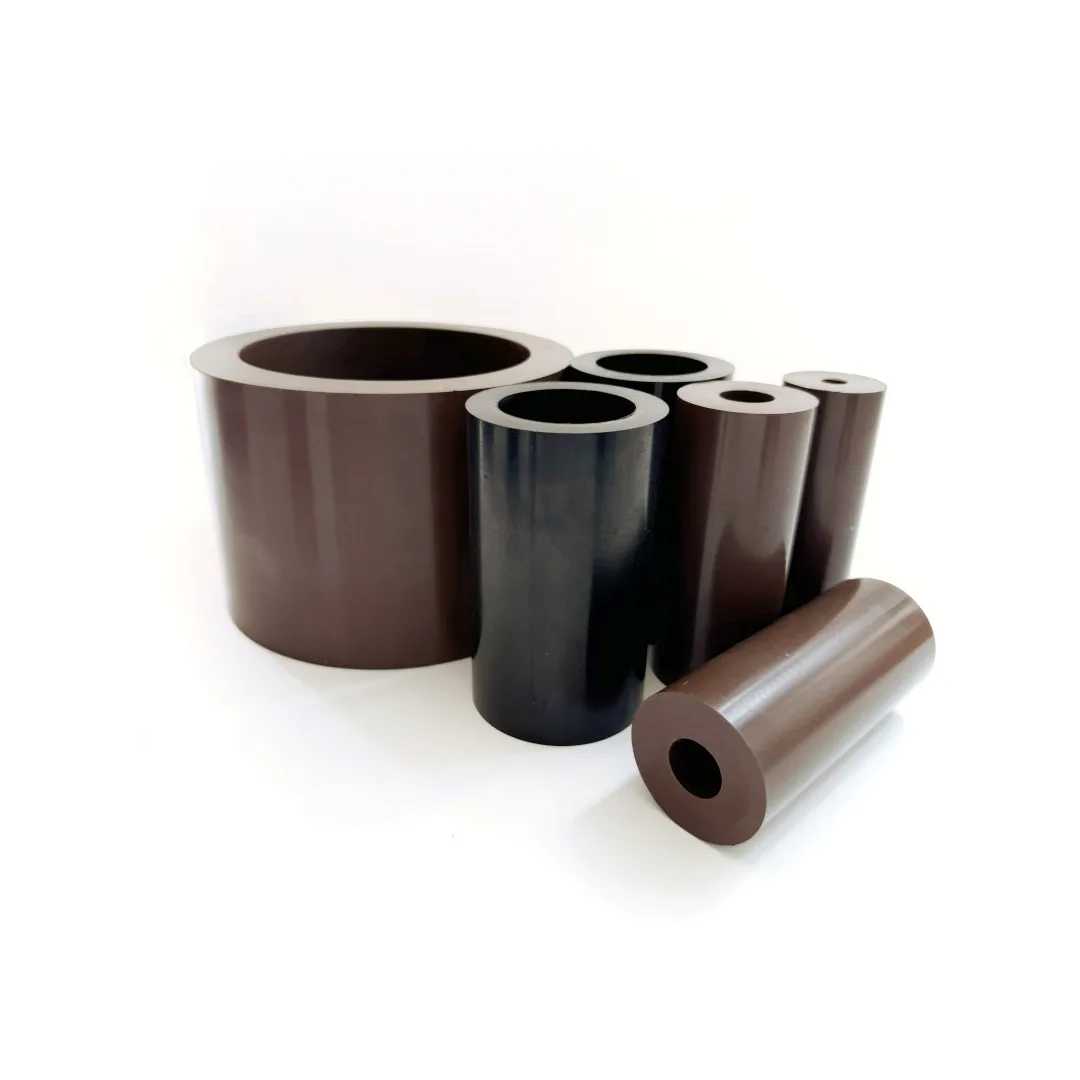
- Protective sleeves
- Hose reels
- Ferrules
- Quick-connect connectors
- Hose guards
These components ensure hydraulic components function safely and efficiently under demanding operating conditions.
Improve Connection Reliability
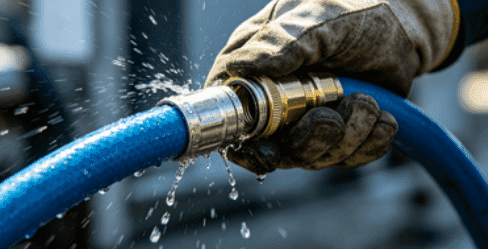
One of the primary functions of hoses accessories is creating secure and reliable connections.
Benefits include:
- Leak-free fluid transfer
- Reduced pressure loss
- Improved hydraulic efficiency
- Enhanced operational safety
High-quality fittings, adapters, and couplings help maintain system integrity even under high-pressure conditions.
Enhance Hydraulic System Safety
Hydraulic systems often operate under extreme pressure. Proper hoses components help reduce safety risks by preventing hose movement, disconnection, and fluid leakage.
Safety advantages include:
- Better hose retention
- Reduced risk of hose bursts
- Prevention of accidental disconnections
- Improved operator protection
Using the right hoses components helps maintain compliance with industrial safety standards.
Protect Hydraulic Hoses from Damage
Hydraulic hoses are exposed to abrasion, vibration, heat, chemicals, and environmental conditions.
Protective hoses components help extend service life through:
- Abrasion resistance
- Heat shielding
- UV protection
- Impact protection
- Vibration reduction
Protective sleeves and hose guards are among the most effective accessories for preventing premature hose failure.
Simplify Installation and Maintenance
Quality hoses components make hydraulic systems easier to install and maintain.
Advantages include:
- Faster assembly
- Easier hose replacement
- Reduced maintenance time
- Improved system accessibility
Quick-connect couplings and modular fittings help reduce downtime during repairs and servicing.
Table: Common Hoses Accessories and Their Functions
| Hoses Accessory | Primary Function | Main Benefit |
|---|---|---|
| Hose Fittings | Connect hoses and equipment | Leak-free connections |
| Adapters | Join different thread types | Installation flexibility |
| Couplings | Connect and disconnect hoses | Faster maintenance |
| Clamps | Secure hose positioning | Reduced vibration |
| Protective Sleeves | Shield hoses from damage | Longer hose life |
| Hose Guards | Prevent abrasion and wear | Improved durability |
| Ferrules | Reinforce hose ends | Stronger connections |
Improve Hydraulic System Efficiency
Properly selected hoses components contribute directly to system performance.
They help:
- Maintain consistent pressure
- Minimize fluid leakage
- Reduce energy loss
- Improve flow efficiency
- Enhance equipment productivity
A well-designed hydraulic system relies on both quality hoses and appropriate accessories.
Applications of Hoses Accessories
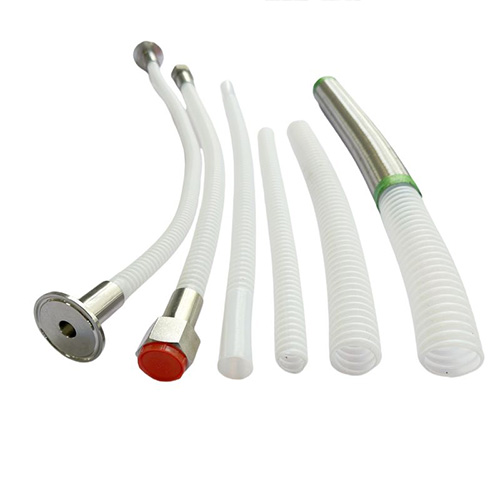
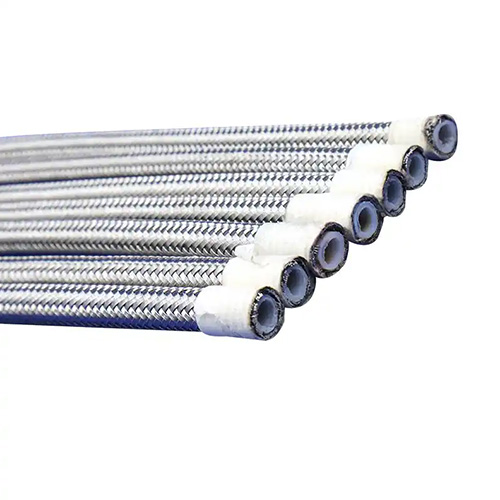
Hoses components are widely used in:
- Construction equipment
- Agricultural machinery
- Manufacturing systems
- Mining equipment
- Oil and gas operations
- Marine hydraulic systems
Virtually every hydraulic application depends on hoses accessories to ensure safe and reliable operation.
Conclusion
Hoses components are essential components that contribute to the safety, efficiency, and reliability of hydraulic systems. They provide secure connections, protect hoses from damage, simplify maintenance, and improve overall system performance.
Whether used in construction, manufacturing, agriculture, or industrial operations, investing in high-quality hoses components helps reduce downtime, lower maintenance costs, and maximize hydraulic system productivity.
FAQ
What are hoses accessories used for?
Hoses components are used to connect, secure, protect, and improve the performance of hose systems. Common hoses accessories include fittings, couplings, adapters, clamps, and protective sleeves that help ensure safe and efficient fluid transfer in industrial applications.
Why are hoses components important in hydraulic systems?
Hoses components help prevent leaks, reduce pressure loss, and protect hoses from wear and damage. By improving connection reliability and system safety, quality hoses accessories contribute to better hydraulic system performance and longer equipment life.
What types of hoses components are most commonly used?
The most common hoses components include hose fittings, quick couplings, adapters, ferrules, clamps, hose guards, and protective sleeves. Each accessory serves a specific function to enhance hose installation, operation, and maintenance.
How do hoses accessories improve hose lifespan?
Protective hoses accessories such as hose guards and sleeves reduce abrasion, vibration, heat exposure, and environmental damage. This protection helps extend hose service life, minimize maintenance requirements, and reduce replacement costs.
How do I choose the right hoses accessories?
When selecting hoses accessories, consider hose size, operating pressure, fluid compatibility, temperature range, and environmental conditions. Choosing the correct hoses accessories ensures secure connections, reliable performance, and improved system efficiency.
Need Help Choosing the Right Hoses Accessories?
If you’re unsure which hoses accessories are best for your hydraulic or industrial system, our experts are here to help. Contact us today for a personalized consultation, and ensure your hose assemblies are secure, efficient, and built for long-term performance. Don’t wait until leaks, wear, or unexpected failures cause costly downtime—get in touch now to keep your operations running safely and reliably!