Key Takeaways
- Critical factors for selecting reliable hydraulic fittings manufacturers
- Quality standards, certifications, and international compliance
- Material choices, precision, and technology in hydraulic fittings
- Production capacity, smart manufacturing, and supply chain efficiency
- Cost considerations and long-term reliability
- Comparison of top hydraulic fittings manufacturers’ attributes
- Case studies demonstrating performance and reliability
- Maintenance, support, and after-sales service
- Emerging trends and innovations in hydraulic fittings manufacturing
- FAQs addressing common buyer concerns
Introduction
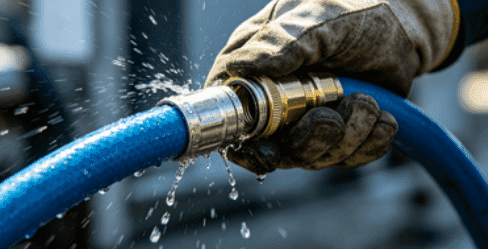
Choosing the right hydraulic fittings manufacturers is crucial for ensuring system reliability, safety, and efficiency in industrial applications. Hydraulic fittings play a key role in fluid power systems, maintaining pressure, preventing leaks, and ensuring smooth operation. According to the International Hydraulic Association (IHA, 2025), poorly sourced fittings are responsible for 20–30% of system failures in hydraulic equipment, highlighting the importance of reliable suppliers.
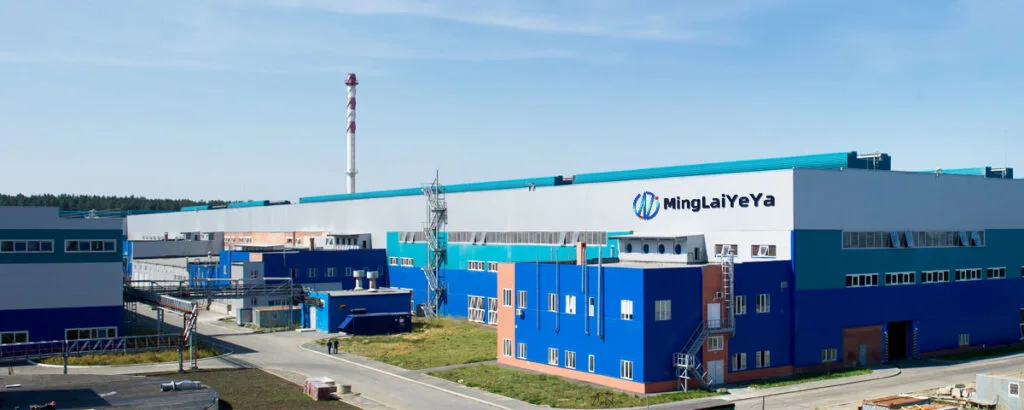
Global demand for high-precision fittings is rising due to increased adoption in manufacturing, energy, automotive, and construction sectors. Companies like Minglai Hydraulic Pipe Fittings Co., Ltd. demonstrate that manufacturers who invest in R&D, automation, and quality standards can provide consistent, high-performing products. This guide covers everything you need to know to select the most dependable hydraulic fittings manufacturers for your projects.
Table of Contents
Factors to Consider When Choosing Hydraulic Fittings Manufacturers
Material Quality and Specifications
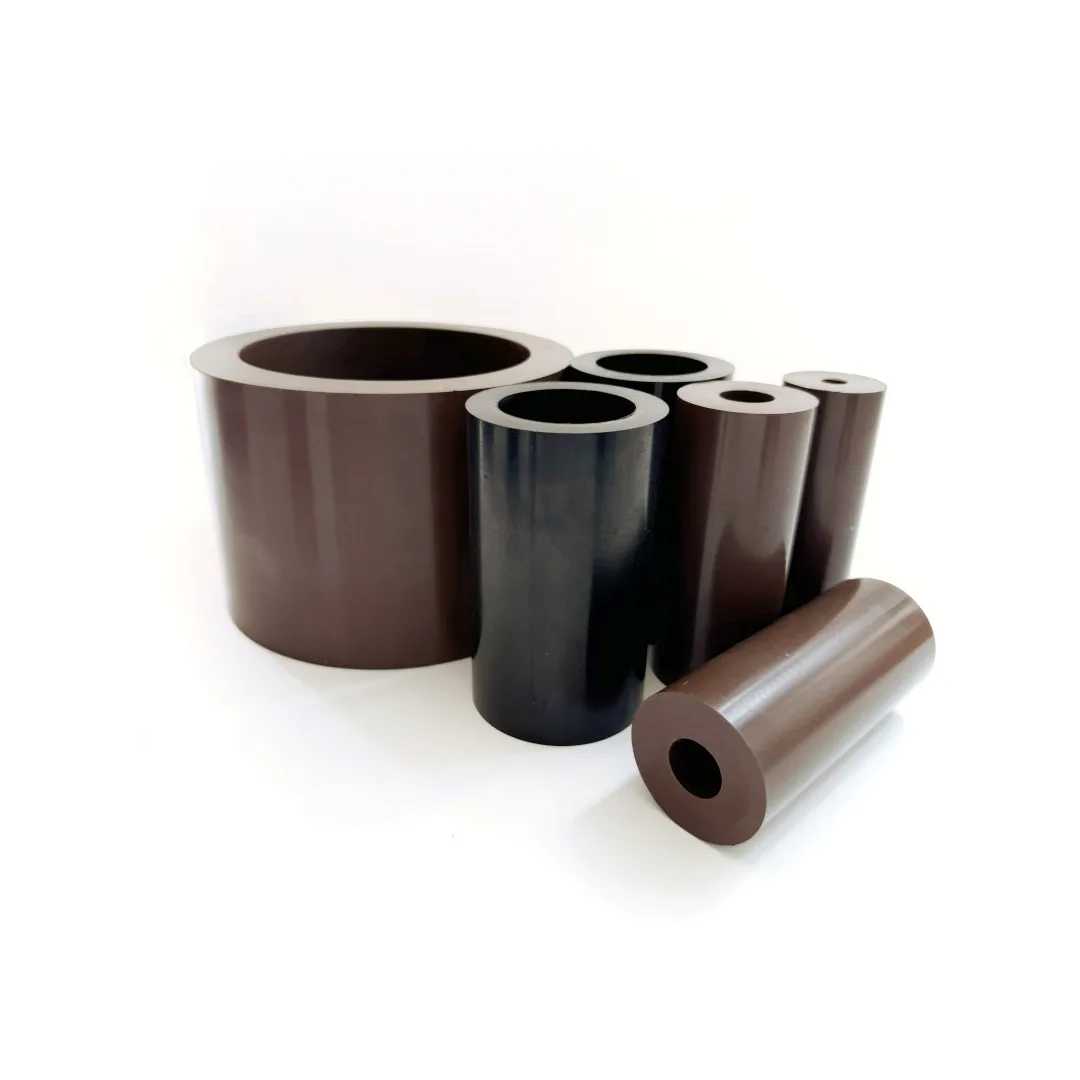
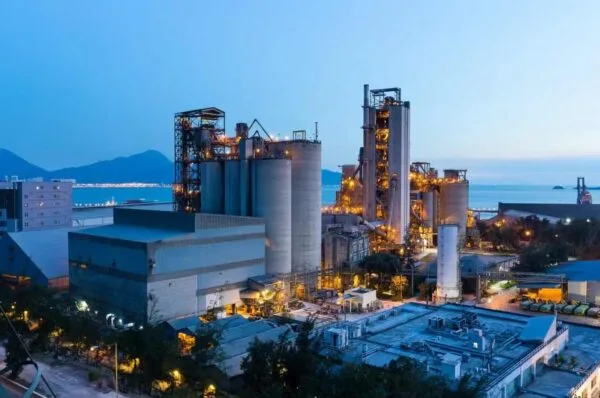
High-quality raw materials, such as stainless steel, brass, and carbon steel, ensure durability and corrosion resistance. Advanced manufacturing processes maintain dimensional precision and consistent thread tolerances.
- Corrosion resistance: Essential for high-pressure or outdoor applications
- Strength ratings: Must meet ISO and SAE specifications for hydraulic systems
- Surface finishing: Smooth coatings reduce wear and prevent contamination
Compliance with International Standards
Certified manufacturers comply with global standards such as ISO9001, SAE J514, DIN, and EN standards, ensuring products are reliable across diverse applications.
- ISO9001: Full process control from raw material to finished products
- SAE J514 & DIN standards: Consistency in thread and sealing performance
- Testing protocols: Pressure tests, leak tests, and fatigue tests ensure product longevity
Technological Capabilities
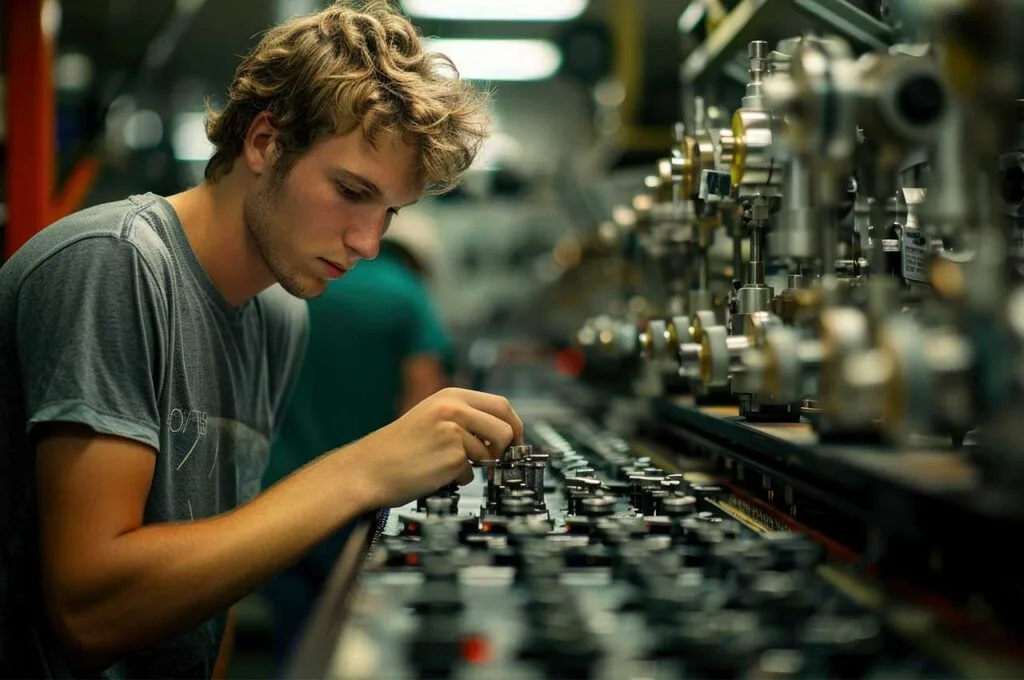
Modern hydraulic fittings manufacturers utilize automated production lines, intelligent testing equipment, and smart manufacturing practices.
- Precision machining: Reduces tolerance errors, ensures tight sealing
- Intelligent testing: Digital monitoring detects defects before shipment
- Innovation: Development of energy-saving hydraulic components and smart fittings
Production Capacity and Supply Chain Reliability
Reliable manufacturers maintain efficient production lines, regional distribution centers, and partnerships with global suppliers.
- Lean production: Minimizes waste and optimizes output
- Global logistics: Ensures consistent supply to multiple regions
- Backup capacity: Reduces lead times during high-demand periods
Types of Hydraulic Fittings and Their Applications
Threaded Fittings
Threaded fittings are versatile and widely used for medium-pressure hydraulic systems.
- NPT, BSP, and JIC threads: Industry-standard connections for various fluids
- Applications: Industrial machinery, construction, and automotive sectors
Flared Fittings
Flared fittings provide leak-resistant connections suitable for high-pressure applications.
- 24° and 37° flare angles: Ensures a secure, pressure-tight seal
- Applications: Mobile hydraulics, heavy machinery, and aerospace
O-Ring Face Seal (ORFS) Fittings
ORFS fittings use integrated O-rings to prevent leaks and support repeated connections.
- Advantages: High pressure resistance, reusable, reduces maintenance
- Applications: Oil & gas, chemical, and high-pressure hydraulic systems
Comparative Table of Top Hydraulic Fittings Manufacturers
| Feature | Manufacturer A | Manufacturer B | Manufacturer C |
|---|---|---|---|
| Quality Certifications | ISO9001, SAE | ISO9001 | ISO9001, DIN |
| Material Options | Stainless, Brass, Carbon Steel | Stainless, Brass | Stainless, Carbon Steel |
| Production Capacity | High | Medium | High |
| Smart Manufacturing Capability | Yes | No | Partial |
| After-Sales Support | 24/7 Global | Limited | Regional |
| Lead Time | 2–4 weeks | 4–6 weeks | 3–5 weeks |
Evaluating Cost vs. Reliability
- Low-cost suppliers: May reduce initial expenditure but often compromise on materials, precision, and certifications.
- Premium manufacturers: Offer long-term reliability, compliance, and lower risk of system failures, leading to lower total lifecycle costs.
- Case insight: A study by Hydraulic Systems Review (2024) revealed that choosing certified manufacturers reduced system downtime by 35% over 12 months.
Maintenance, Support, and After-Sales Service
A strong service network ensures timely replacement parts, technical support, and guidance for installation.
- Documentation: Installation manuals and maintenance guides
- Training: Workshops or online training for technical teams
- Warranty: Long-term coverage reflects manufacturer confidence
Real-World Case Studies
Automotive Manufacturing Plant in Germany
- Problem: Frequent hydraulic leaks in robotic assembly lines
- Solution: Sourcing precision fittings from a certified manufacturer
- Result: Leak incidents reduced by 80%, assembly downtime minimized
Construction Equipment Supplier in North America
- Problem: Heavy-duty excavator hydraulics failures
- Solution: Switching to high-grade steel fittings with ORFS design
- Result: Operational efficiency improved by 25%, maintenance costs lowered
Emerging Trends in Hydraulic Fittings
- Smart Fittings: Sensors monitor pressure, flow, and temperature in real time
- Eco-Friendly Materials: Recyclable and corrosion-resistant alloys reduce environmental impact
- Compact Designs: Space-saving fittings for mobile and industrial hydraulic systems
FAQ
Which hydraulic fittings manufacturers are most reliable for high-pressure systems?
Manufacturers with ISO9001 certification, SAE/DIN compliance, and smart production capabilities are recommended.
How can I verify the quality of hydraulic fittings manufacturers?
Request test reports, material certificates, and inspect production processes or digital monitoring systems.
What is the typical lifespan of high-quality hydraulic fittings?
With proper material selection and maintenance, fittings can last 10–15 years under standard operating conditions.
Are reusable fittings cost-effective compared to disposable ones?
Yes, they reduce downtime and replacement costs while maintaining system integrity.
How important is after-sales support from hydraulic fittings manufacturers?
Crucial. Rapid technical support, parts availability, and guidance prevent system failures and improve uptime.
Conclusion
Selecting the right hydraulic fittings manufacturers is a strategic decision that affects system reliability, safety, and operational efficiency. Key considerations include material quality, compliance with international standards, manufacturing technology, production capacity, and after-sales service. While low-cost options may seem appealing, certified and experienced manufacturers like Minglai Hydraulic Pipe Fittings Co., Ltd. provide long-term value through durable, high-performance fittings and consistent global supply.
Investing in reputable manufacturers ensures smoother operations, reduces downtime, and mitigates risks associated with hydraulic system failures. By carefully evaluating suppliers based on quality, certification, capacity, and service, industrial operators can secure reliable, efficient, and sustainable solutions for all hydraulic applications.