Table of Contents
Why Should You Care About Hydraulic Flange Fittings?

Hydraulic flange fittings are essential in high-pressure hydraulic systems. They create robust connections between hoses, pipes, and components while preventing leaks and ensuring system stability. Choosing the right fitting not only affects efficiency but also the long-term safety of machinery and pipelines.
Why Do They Matter for Industry?
Industries like construction, energy, and manufacturing rely heavily on reliable hydraulic systems. A small failure in a connection can halt operations, damage equipment, or even cause safety hazards. Hydraulic flange fittings are designed to prevent these issues through precise engineering and high-pressure tolerance.
What Exactly Are Hydraulic Flange Fittings and How Do They Work?
Hydraulic flange fittings are specialized connectors that join sections of hydraulic piping or tubing. They use flanged ends secured with bolts to provide a strong, leak-proof connection. These fittings are essential in high-pressure hydraulic systems, where even minor leaks can lead to system inefficiency, damage, or safety hazards.
Working Principle
The primary principle behind hydraulic flange fittings is the creation of a tight mechanical seal between two flanges. A gasket is often placed between the mating surfaces to enhance sealing capability. When the bolts are tightened, the flanges compress the gasket, creating a high-pressure resistant seal that prevents fluid leakage.
- Pressure Handling: The seal is designed to withstand high operating pressures commonly found in industrial hydraulic systems, sometimes exceeding 6000 PSI.
- Fluid Containment: By maintaining a secure seal, the fittings ensure hydraulic fluid remains within the system, preventing contamination or loss.
- Mechanical Stability: The bolted connection distributes forces across the joint, reducing stress concentrations and enhancing joint longevity.
Key Functions
Sealing
Hydraulic flange fittings prevent fluid escape under high-pressure conditions, which is crucial for maintaining system efficiency and avoiding environmental contamination.
Load Distribution
The bolted flanged design evenly transfers axial and lateral forces across the joint, minimizing stress on individual components and preventing premature failure.
Safety
By providing a secure, stable connection, hydraulic flange fittings reduce the risk of sudden disconnections or catastrophic leaks that could harm equipment or personnel.
What Types of Hydraulic Flange Fittings Are Available?
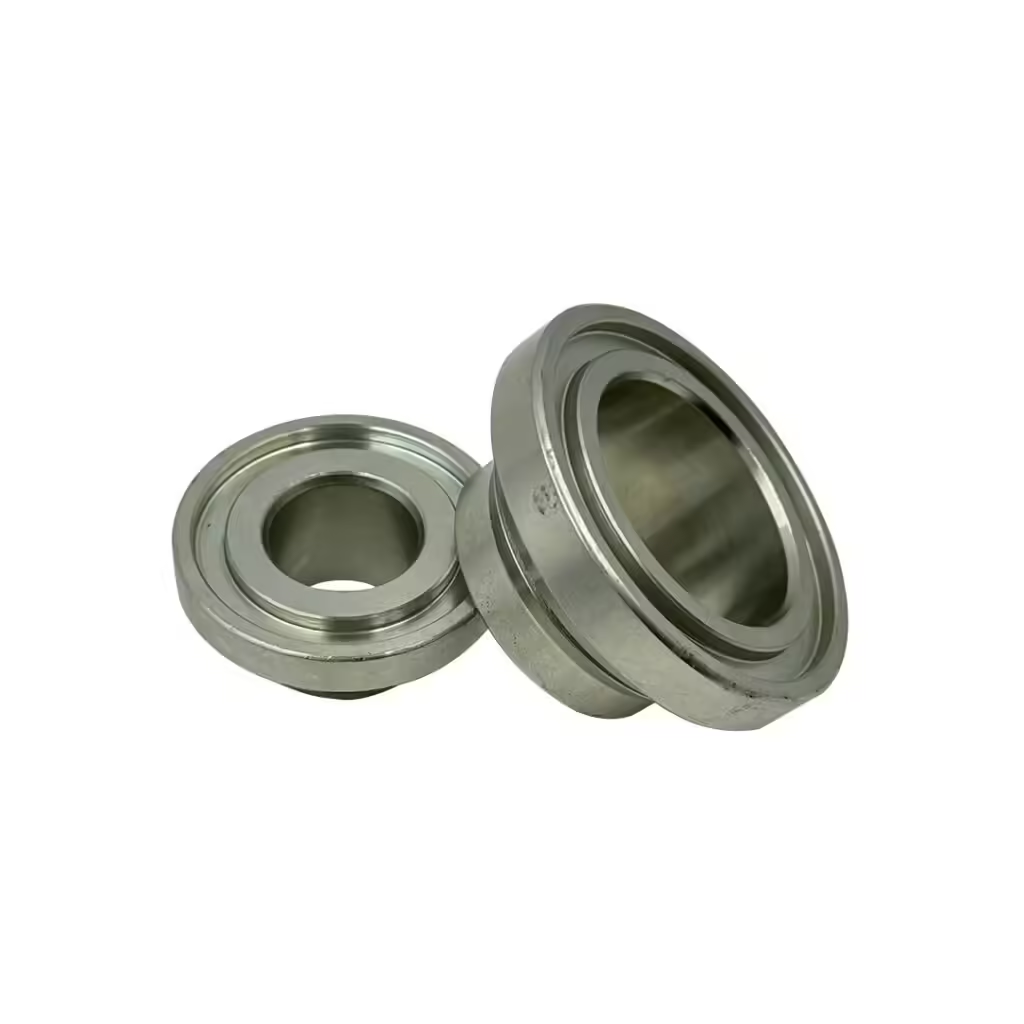
Hydraulic flange fittings come in various types to meet different application needs, pressures, and environments. Selecting the correct type is critical for both performance and safety.
Standard Flanges
These are produced according to widely recognized standards such as ANSI, DIN, or ISO. Standard flanges are versatile and suitable for most general hydraulic applications, offering a reliable balance of cost and performance.
- Applications: General industrial machinery, moderate pressure systems, and fluid transfer lines.
- Advantages: Easy to source, interchangeable, and compliant with international standards.
High-Pressure Flanges
High-pressure or heavy-duty flanges are engineered to handle pressures up to 6000 PSI. They are commonly used in industrial pipelines, energy systems, and heavy machinery where reliability under extreme conditions is essential.
- Applications: Oil and gas pipelines, high-pressure hydraulic actuators, and large-scale industrial machines.
- Advantages: Superior strength, leak resistance, and durability under fluctuating loads.
Threaded vs Welded Flanges
Threaded Flanges
Threaded flanges are assembled by screwing the flange onto the pipe. They are easier to install and disassemble, making them suitable for moderate-pressure applications.
- Limitations: Threads can loosen under vibration or thermal expansion, potentially causing leaks.
Welded Flanges
Welded flanges are permanently fused to the pipe via welding, providing a robust and high-strength connection. They are ideal for high-pressure, high-temperature, or safety-critical applications.
- Advantages: Permanent, highly durable, and suitable for extreme operating environments.
What Materials Are Used and Why Do They Matter?
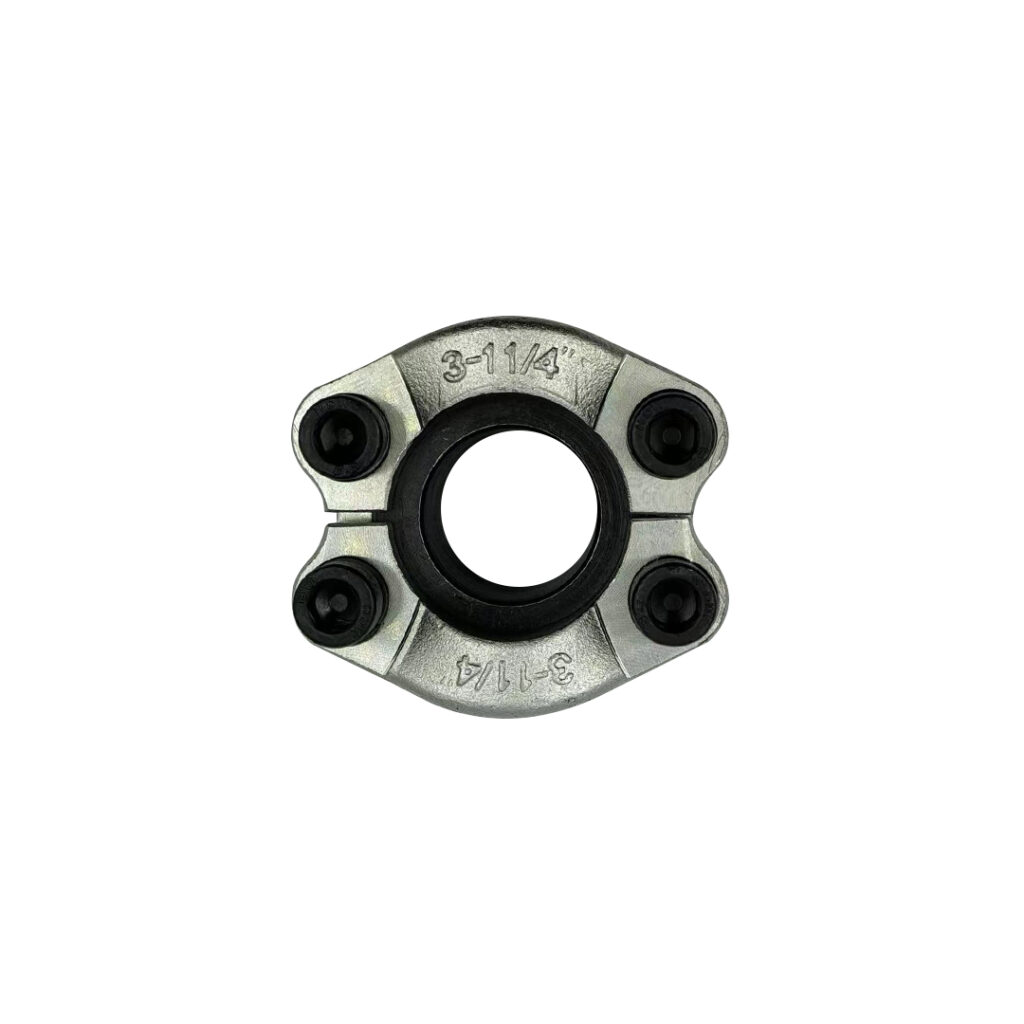
The material selection for hydraulic flange fittings directly affects strength, corrosion resistance, durability, and cost.
Carbon Steel
Carbon steel is strong, cost-effective, and suitable for most industrial hydraulic systems. It handles moderate to high pressures effectively and is widely available.
Stainless Steel
Stainless steel provides excellent corrosion resistance, making it ideal for outdoor applications, chemical exposure, or marine environments. It also offers high strength and durability under extreme conditions.
Aluminum Alloys
Aluminum alloys are lightweight and suitable for mobile systems or aerospace applications where reducing overall system weight is critical.
Surface Treatments
Surface treatments such as plating, coating, or passivation enhance corrosion resistance and extend the fitting’s service life. Additionally, the surface finish affects the gasket sealing performance: smoother finishes improve sealing efficiency and reduce leak risk.
How Do You Choose the Right Hydraulic Flange Fitting for Your System?
Choosing the right hydraulic flange fitting requires careful consideration of system requirements, environment, and maintenance needs.
Pressure and Flow Considerations
Always select a fitting rated above your system’s maximum operating pressure. High-flow hydraulic systems may experience pressure spikes or hydraulic shocks, requiring flanges capable of withstanding transient high-pressure conditions.
- Safety Margin: Industry best practice often includes a safety factor of 1.5–2x the operating pressure.
- Flow Compatibility: Ensure the flange diameter matches the required flow rate to minimize turbulence or pressure drop.
Temperature and Environmental Factors
Material and gasket selection must account for environmental conditions:
- Temperature Extremes: Some materials, like aluminum, may deform under high temperatures; stainless steel maintains strength over a wider range.
- Corrosive Environments: Chemical exposure or marine environments demand corrosion-resistant materials and protective coatings.
Installation and Maintenance Factors
Ease of installation and future maintenance can influence system uptime and operational costs.
- Installation: Threaded flanges are easier to install and replace, while welded flanges require professional welding but offer long-term reliability.
- Maintenance: Consider accessibility for inspection, lubrication, and gasket replacement. Proper installation and periodic maintenance extend the service life of the hydraulic system.
Performance Comparison of Hydraulic Flange Fittings
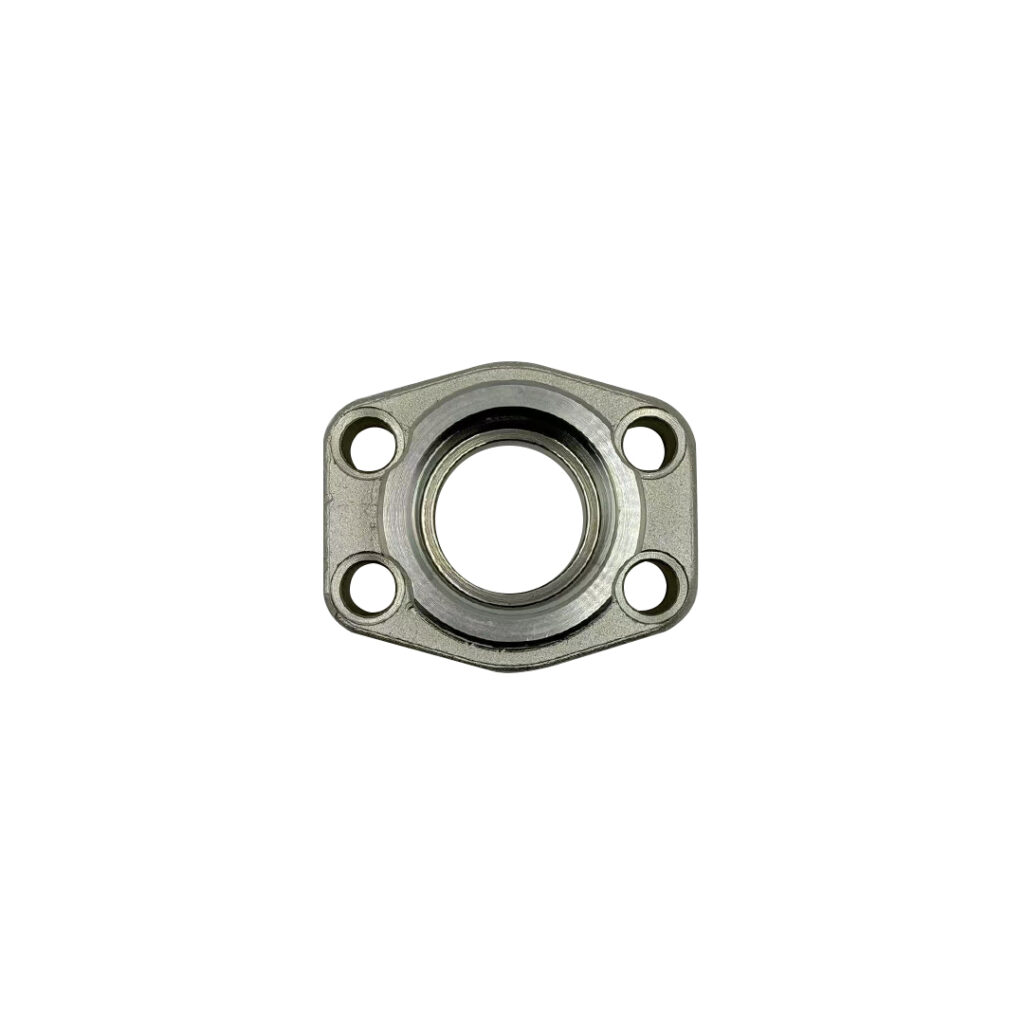
Hydraulic flange fittings perform differently depending on design, material, and application. Below is a table summarizing key performance indicators compared with threaded and quick-connect fittings:
| Feature | Hydraulic Flange | Threaded Fitting | Quick-Connect |
|---|---|---|---|
| Max Pressure (PSI) | 6000 | 3000 | 1500 |
| Leak Resistance | Excellent | Moderate | Moderate |
| Reusability | High | High | Limited |
| Installation Time | Moderate | Fast | Very Fast |
| Durability (Cycles) | 1,000,000+ | 500,000 | 100,000+ |
| Suitable for Bulk Orders | Yes | Yes | No |
This table provides engineers and bulk buyers with practical benchmarks to evaluate performance, durability, and suitability for large-scale operations.
What Should You Know Before Buying Hydraulic Flange Fittings in Bulk?
Cost and Volume Discounts
Large orders can significantly reduce per-unit costs. Suppliers often provide tiered pricing based on order quantity, helping optimize procurement budgets.
Supply Chain Reliability
Ensure the supplier can meet volume requirements consistently. Reliable lead times and adequate stock are crucial to avoid production delays.
Quality Assurance
For bulk orders, request batch inspection reports to confirm consistent material quality, pressure ratings, and dimensional accuracy.
Customization Options
Projects may require custom fittings. Check for minimum order quantities, special surface treatments, or non-standard pressure ratings.
Where Are Hydraulic Flange Fittings Used in Real Projects?
Industrial Automation
Flange fittings enable leak-free, precise fluid control in robotic systems and automated manufacturing equipment.
Construction Machinery
Excavators, cranes, and bulldozers use high-pressure flanges for durable hydraulic connections that withstand vibration and heavy loads.
Energy and Oil Pipelines
Heavy-duty flanges are essential in pipelines, actuators, and hydraulic valves to maintain safety under extreme pressures.
Laboratory and Testing Equipment
Flanges are used where precision and leak-proof connections are required, while some dynamic tests may combine flanges with adjustable fittings.
How Can You Install and Maintain Hydraulic Flange Fittings Correctly?

Installation Tips
- Ensure flanges are clean and free of debris.
- Use proper torque on bolts for uniform compression.
- Select a gasket compatible with pressure, temperature, and fluid type.
Maintenance Guidelines
- Regularly inspect for leaks, corrosion, and loose bolts.
- Apply light lubrication to threads to prevent seizing in high-pressure applications.
- Replace worn gaskets and damaged components proactively.
Conclusion
Selecting the correct hydraulic flange fittings ensures system efficiency, safety, and long-term reliability. Understanding types, materials, pressure ratings, and bulk purchasing considerations enables engineers and procurement managers to make informed, cost-effective decisions for industrial and commercial projects.
FAQ
Can hydraulic flange fittings be reused?
Yes, they can be reused if inspected for damage and properly maintained. Gaskets may need replacement.
How do I prevent leaks in hydraulic flange connections?
Ensure proper gasket selection, bolt torque, and clean mating surfaces.
Can I buy hydraulic flange fittings in bulk?
Absolutely. Bulk buyers should verify stock, lead times, and request batch inspection reports.
Are all flange fittings suitable for high-pressure systems?
No. Always check pressure rating, material, and gasket type before installation.
What materials are best for corrosive environments?
Stainless steel or treated carbon steel are preferred to resist corrosion in chemical or outdoor settings.