Blog Highlights
- Essential hydraulic quick couplers installation steps
- Common mistakes and how to avoid them
- Material selection, compatibility, and seal tips
- Maintenance and inspection best practices
- Comparison of coupler types for specific applications
- Case studies from industrial, agricultural, and construction projects
- International standards, certifications, and compliance
- Advanced technologies and innovations in hydraulic quick couplers
- FAQ answering real-world operational questions
Introduction
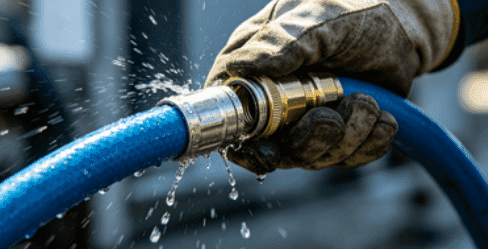
Hydraulic quick couplers are vital components in modern hydraulic systems, enabling fast and safe connection and disconnection of hydraulic lines without tools. Misinstallation or poor maintenance can result in fluid leakage, operational downtime, system inefficiency, and even catastrophic failure in high-pressure environments.
According to a 2023 survey by the International Fluid Power Society (IFPS), 38% of hydraulic system failures in industrial plants and mobile machinery were linked directly to incorrect coupler installation or incompatible selection. Understanding correct installation procedures, material compatibility, and maintenance is essential for engineers, maintenance technicians, and procurement teams who seek reliable and safe hydraulic operations.
Key Benefits of Proper Installation
- Improved hydraulic system efficiency
- Reduced downtime and maintenance costs
- Increased safety for personnel
- Extended service life of couplers and hoses
Table of Contents
Understanding Hydraulic Quick Couplers
What Are Hydraulic Quick Couplers?
Hydraulic quick couplers are mechanical connectors that allow rapid joining and separation of hydraulic hoses or pipelines. They are engineered to maintain a leak-free connection while handling high pressures and flow rates, making them indispensable in mobile machinery, industrial systems, and agricultural equipment.
Key Features:
- Tool-free connection for efficiency
- Minimal spillage to avoid fluid loss
- Secure sealing under high-pressure conditions
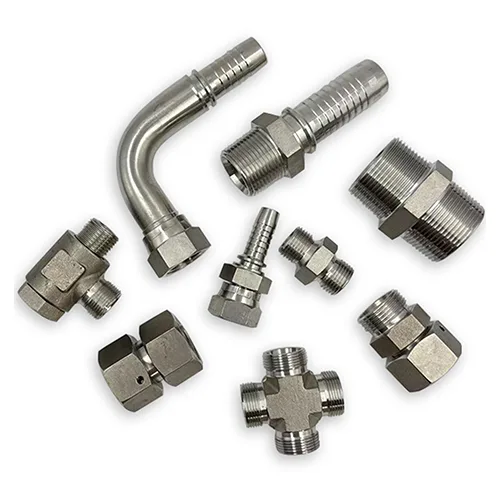
Types of Hydraulic Quick Couplers
- Flat-Face Couplers: Reduce spillage and contamination, ideal for sensitive hydraulic fluids.
- ISO Standard Couplers: Universally compatible with equipment built to ISO standards.
- High-Flow Couplers: Handle large fluid volumes for heavy-duty applications.
- Push-to-Connect Couplers: Simple, fast operation for low-pressure hydraulic systems.
Material and Seal Considerations
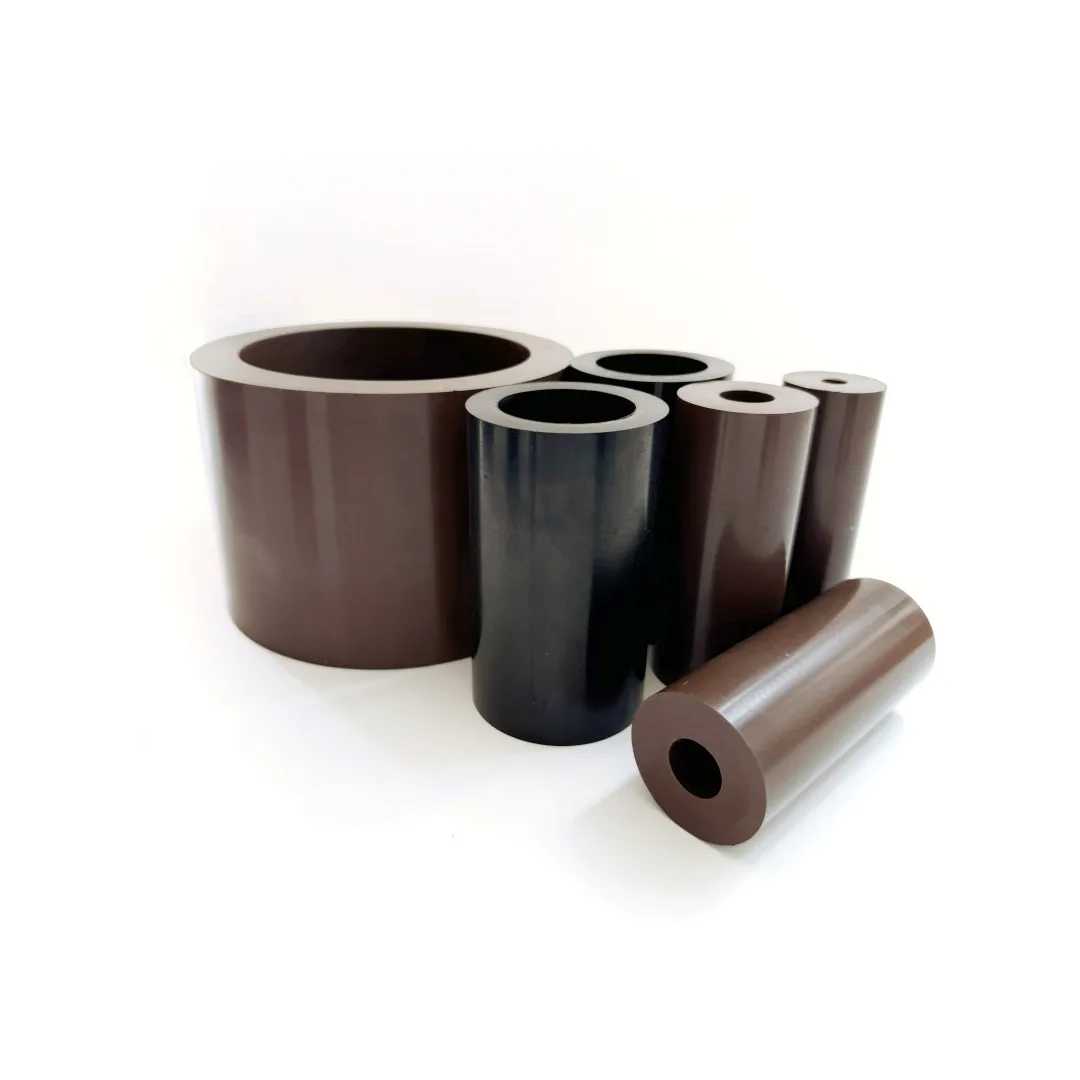
Coupler bodies are commonly made from stainless steel, carbon steel, or brass. Seals are usually NBR (nitrile), FKM (fluorocarbon), or PTFE. Selecting materials that resist corrosion, chemical degradation, and extreme temperatures is critical for maintaining performance and longevity.
Industry Tip: ISO 16028 specifies materials and seal standards for flat-face couplers to ensure compatibility and safety across international applications.
Common Hydraulic Quick Couplers Installation Mistakes
Improper Alignment
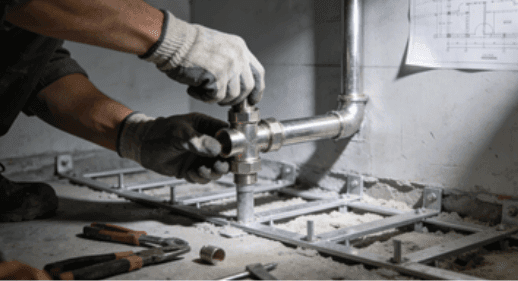
Misaligned couplers can place undue stress on hoses, joints, and seals, causing premature failure. Alignment tools and proper support brackets are recommended to prevent stress points.
Incorrect Torque Application
Over-tightening can deform threads and coupler bodies, while under-tightening may result in leaks. Always use a calibrated torque wrench and follow manufacturer specifications.
Ignoring Seal Condition
Installing couplers with worn or contaminated seals can compromise system integrity, leading to leaks or sudden disconnection. Always inspect and replace damaged seals.
Using Incompatible Couplers
Mixing couplers of different sizes, pressure ratings, or standards can cause leaks and equipment damage. Verify specifications and use couplers of the same standard.
Lack of Regular Inspection
Skipping routine inspections allows minor wear or damage to escalate into major failures. A scheduled maintenance plan is essential to prevent operational interruptions.
Step-by-Step Installation Tips for Hydraulic Quick Couplers
Preparing Hydraulic Lines
- Clean all hose ends and coupler surfaces to prevent contamination
- Inspect hoses for wear, cracks, or abrasions
- Ensure the hydraulic fluid matches the coupler material compatibility
Connecting the Couplers
- Align male and female coupler ends carefully
- Push until the connection clicks or confirms engagement
- Apply proper torque if threaded
Testing the Connection
- Slowly pressurize the system and check for leaks
- Observe for unusual vibration or noise
- Perform a flow test to ensure system efficiency
Visual Inspection Checklist
- Alignment of hoses and couplers
- Integrity of seals and gaskets
- No fluid leakage
- Proper engagement of locking mechanisms
Comparison of Hydraulic Quick Couplers Types
| Coupler Type | Advantages | Disadvantages | Ideal Application |
|---|---|---|---|
| Flat-Face | Minimal spillage, reduces contamination | Higher cost | Mobile machinery, sensitive fluids |
| ISO Standard | Global compatibility, easy replacement | Medium flow restriction | Industrial and construction machinery |
| High-Flow | Handles high volume, durable | Larger size | Heavy machinery, hydraulic presses |
| Push-to-Connect | Easy operation, fast | Low-pressure rating | Temporary connections, low-pressure systems |
Case Studies: Real-World Applications
Industrial Manufacturing Plant
- Problem: Frequent leaks in high-pressure hydraulic lines
- Cause: Misaligned couplers and incorrect torque application
- Solution: Re-installed with proper torque, alignment, and new seals
- Result: 35% reduction in downtime, 25% reduction in maintenance cost
Agricultural Machinery
- Problem: Seal failures during irrigation operations
- Cause: Incompatible O-rings with vegetable oil-based hydraulic fluids
- Solution: Replaced seals with FKM material compatible with oil
- Result: Improved reliability and reduced system downtime
Construction Equipment Fleet
- Problem: Rapid wear of couplers in excavators
- Cause: Improper installation and abrasive hydraulic fluids
- Solution: Implemented flat-face couplers with clean filtration system
- Result: 40% increase in coupler lifespan, smoother operations
International Standards and Compliance
ISO Standards
- ISO 7241-1: Interchangeable hydraulic couplers for high-pressure systems
- ISO 16028: Flat-face couplers to reduce spillage and contamination
- ISO 8434: Hydraulic connectors for fluid power
ANSI / SAE Standards
- SAE J1502: Hydraulic quick disconnect couplings
- SAE J516: Threaded and flange hydraulic fittings
Compliance Benefits
- Ensures system safety and reduces operational risk
- Simplifies global procurement and maintenance
- Improves compatibility across machinery and regions
Maintenance Best Practices for Hydraulic Quick Couplers

Regular Inspection
- Inspect couplers every 3–6 months depending on usage
- Check seals, gaskets, and locking mechanisms
- Replace worn or damaged components immediately
Cleaning and Lubrication
- Use hydraulic fluid or compatible lubricant for moving parts
- Avoid abrasive cleaning methods that can damage seals
Storage Guidelines
- Store disconnected couplers with protective caps
- Keep in a clean, dry environment to prevent corrosion
Preventive Measures
- Use dust covers on couplers in outdoor or dusty environments
- Train operators on proper engagement and disconnection techniques
Advanced Technologies in Hydraulic Quick Couplers
Smart Couplers
- Sensors detect leaks, pressure drops, or misalignment
- Can integrate with predictive maintenance software
High-Pressure Alloy Couplers
- Made from advanced stainless steel alloys
- Resistant to high temperatures, corrosion, and abrasion
Automated Coupler Systems
- Robotics-assisted connection for industrial assembly lines
- Reduces human error and increases installation speed
Case Insight: Digital Monitoring
A whitepaper by the Hydraulic Engineering Institute (2024) shows that smart couplers reduced downtime by 28% in automated factories by alerting technicians to minor leaks before they escalated.
Conclusion
Proper hydraulic quick coupler installation is essential for operational safety, efficiency, and longevity. By understanding coupler types, applying correct torque, aligning connections properly, following international standards, and implementing preventive maintenance, engineers and technicians can reduce leaks, downtime, and maintenance costs. Innovations such as smart couplers, high-pressure alloys, and automated systems further enhance reliability and safety in modern hydraulic operations.
Adopting best practices ensures that hydraulic systems in industrial, agricultural, and construction applications operate at peak efficiency while maintaining safety and durability for years to come.
FAQ
1. How do I select the right hydraulic quick coupler?
Consider flow rate, pressure rating, fluid compatibility, and ISO/ANSI standards.
2. Can couplers from different brands be used together?
Only if they follow the same standard, size, and pressure rating. Otherwise, leaks or damage may occur.
3. How often should couplers be inspected?
Routine inspection every 3–6 months is recommended, or before major operations.
4. What is the best way to avoid seal failure?
Select seals compatible with fluid type, pressure, and temperature, and replace worn seals immediately.
5. Are flat-face couplers better than high-flow couplers?
It depends on application: flat-face minimizes spillage; high-flow handles large volumes for heavy machinery.