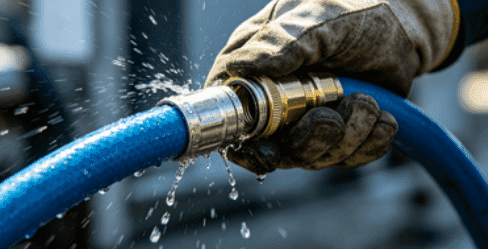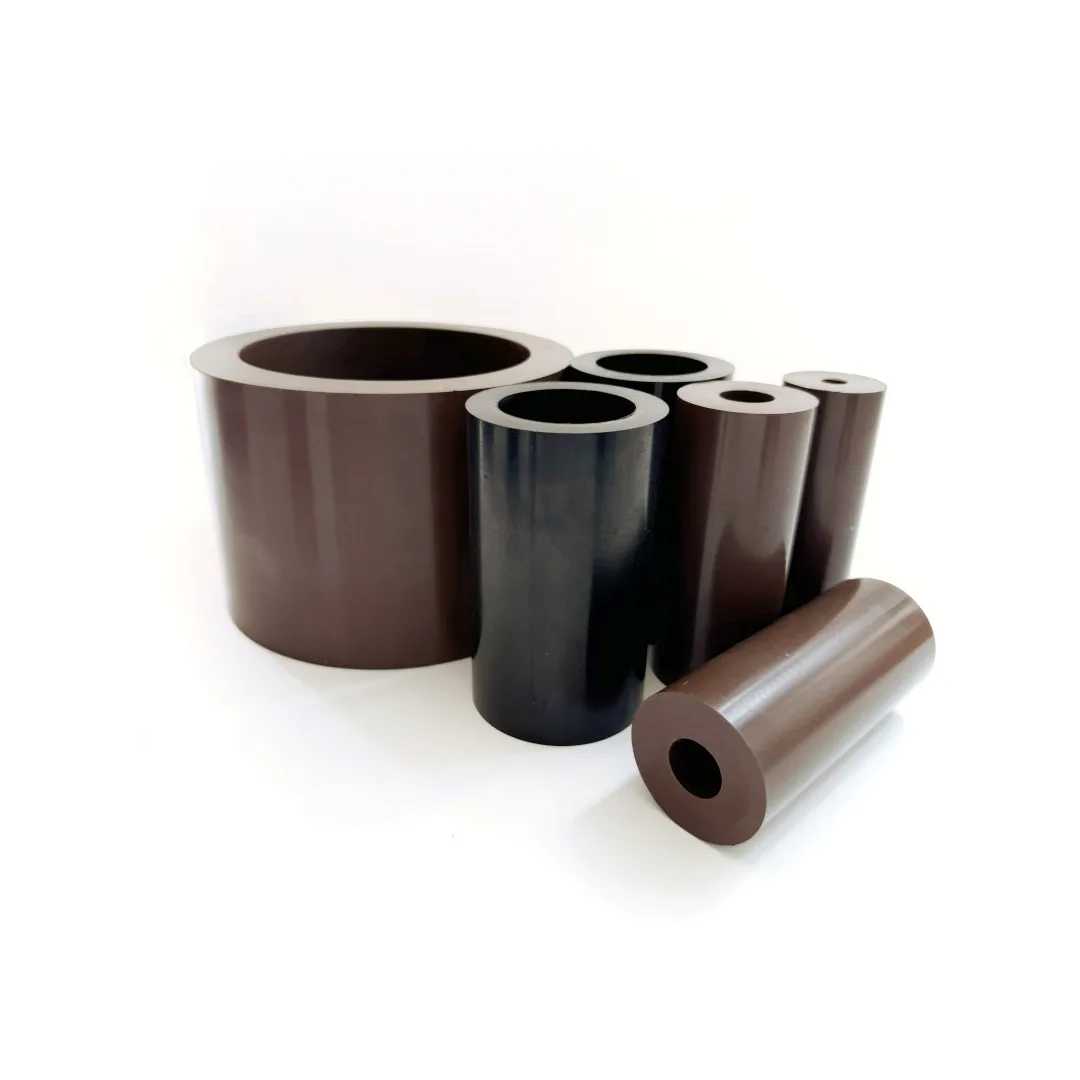
In fluid, air, and industrial transfer systems, connection points are often the most vulnerable part of the entire setup. Even when hoses and pipes are correctly specified, leaks, pressure loss, or premature failure frequently occur at the connector level. This is exactly why understanding male female hose connectors types is no longer optional—it is a critical part of system reliability, safety, and long-term cost control.
Whether you are an engineer designing a new system, a buyer comparing suppliers, or a technician troubleshooting recurring leaks, this guide explains what connector types exist, how they differ, and when each one makes sense.
Table of Contents
Key Points Covered in This Article
- Core concepts behind male female hose connectors
- Detailed breakdown of the most common connector types
- Structural, sealing, and material differences explained simply
- Data-backed performance considerations
- Practical comparisons to support faster selection
- FAQs reflecting how users actually search on Google
Understanding Male Female Hose Connectors

Male female hose connectors are mechanical components designed to join hoses, tubes, or pipes using complementary connection ends. The male end typically features external threads or a plug-style geometry, while the female end includes internal threads or a receiving socket.
This pairing allows systems to remain modular, serviceable, and adaptable—qualities that are increasingly important in modern industrial and commercial environments.
Why Male Female Hose Connectors Matter in System Design
Connection Reliability Concept
A system is only as strong as its weakest connection. Studies in industrial maintenance show that over 40% of fluid system failures originate at connection points, not hoses or pipes themselves.
Modularity and Maintenance Efficiency
Male female hose connectors allow sections to be disconnected without cutting or damaging components. This significantly reduces maintenance time and system downtime.
Core Classification of Male Female Hose Connectors Types
Threaded Male Female Hose Connectors
Threaded designs remain one of the most widely used connector types worldwide due to their simplicity and standardization.
NPT Male Female Hose Connectors
NPT threads rely on a tapered profile to create sealing pressure as threads tighten. They are dominant in North American markets.
These male female hose connectors are economical and widely available but often require sealants to achieve leak-free performance.
BSP Male Female Hose Connectors
BSP threads are common in Europe, Asia, and international equipment. Sealing is usually achieved with washers or bonded seals rather than thread deformation.
This makes BSP connectors more consistent in repeated assembly scenarios.
Quick-Connect Male Female Hose Connectors
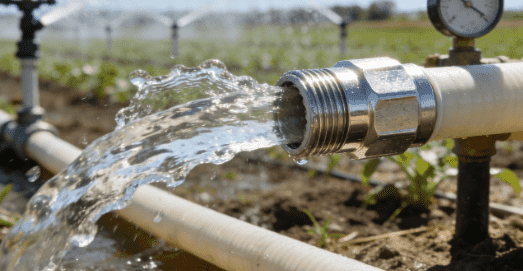
Push-to-Connect Technology
Push-to-connect male female hose connectors use internal collets or gripping rings to lock hoses in place instantly.
They are favored in automation and pneumatic systems where speed and repeatability are critical.
Tool-Free Installation Advantage
Installation time can be reduced by up to 60% compared to threaded connectors, according to assembly efficiency studies.
Barbed Male Female Hose Connectors
Hose Retention Mechanism
Barbed connectors use ridges that mechanically grip the inside diameter of flexible hoses.
They are simple, cost-effective, and widely used in low- to medium-pressure systems.
Clamp-Assisted Sealing
Adding clamps significantly increases retention strength and leak resistance, especially in temperature-fluctuating environments.
Camlock (Cam and Groove) Male Female Hose Connectors
Locking Arm Design
Camlock systems secure connections using external cam arms that lock the male adapter into the female coupler.
This eliminates threading errors and speeds up coupling operations.
Industrial Transfer Efficiency
Camlock male female hose connectors are commonly used in chemical, fuel, and bulk fluid transfer systems due to their durability and ease of use.
Compression-Type Male Female Hose Connectors
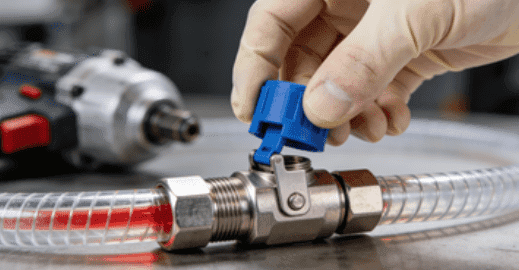
Ferrule-Based Sealing Concept
Compression connectors seal by deforming a ferrule around the hose or tube when tightened.
This creates a strong, vibration-resistant seal suitable for high-pressure systems.
Precision Applications
They are frequently used in instrumentation, hydraulics, and gas systems where leakage tolerance is extremely low.
Swivel Male Female Hose Connectors
Rotational Freedom Principle
Swivel connectors allow the female end to rotate independently of the hose.
This reduces torsional stress and prevents hose twisting during installation.
Hose Life Extension
Field data suggests swivel connectors can extend hose life by 20–30% in mobile or vibrating systems.
Structural Comparison of Male Female Hose Connectors Types
| Connector Type | Sealing Method | Pressure Capability | Installation Speed | Typical Use Case |
|---|---|---|---|---|
| Threaded | Thread deformation / sealant | Medium–High | Moderate | Plumbing, industrial |
| Quick-Connect | O-ring + collet | Medium | Very Fast | Pneumatics |
| Barbed | Hose grip + clamp | Low–Medium | Fast | Irrigation |
| Camlock | O-ring | Medium | Very Fast | Fluid transfer |
| Compression | Ferrule | High | Slow | Hydraulics |
| Swivel | O-ring / washer | Medium | Moderate | Mobile systems |
Material Differences in Male Female Hose Connectors
Brass Male Female Hose Connectors
Brass offers corrosion resistance and ease of machining. It is commonly used in air, water, and light industrial systems.
Stainless Steel Male Female Hose Connectors
Stainless steel connectors provide superior strength and chemical resistance. They are essential in food, pharmaceutical, and chemical environments.
Plastic and Composite Connectors
Plastic connectors reduce weight and cost, making them suitable for agriculture and low-pressure applications.
Sealing Technologies Explained
Thread Sealants
Seal tapes and compounds fill microscopic gaps between threads to prevent leakage.
O-Ring Seals
O-rings provide consistent sealing and are widely used in quick-connect and camlock designs.
Metal-to-Metal Seals
Precision-machined surfaces create seals without soft materials, ideal for extreme temperatures.
Male Female Hose Connectors vs Other Connection Methods
Hose Connectors vs Permanent Joints
Permanent joints reduce component count but increase maintenance complexity and downtime.
Hose Connectors vs Flanged Systems
Flanges handle higher diameters but require more space, bolts, and alignment effort.
Application-Based Selection of Male Female Hose Connectors
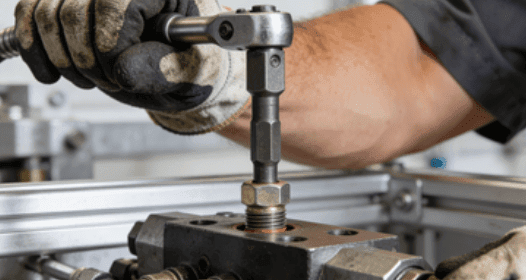
Industrial Manufacturing
Durability, vibration resistance, and standard compliance are key priorities.
Agriculture and Irrigation
Ease of use, corrosion resistance, and cost-effectiveness dominate decision-making.
Automotive and Mobile Equipment
Swivel and quick-connect designs reduce wear caused by movement and vibration.
Common Selection Mistakes and How to Avoid Them
Mixing Thread Standards
NPT and BSP threads are not interchangeable despite similar sizes.
Ignoring System Pressure Spikes
Always select connectors rated above maximum operating pressure.
Overlooking Chemical Compatibility
Certain plastics and seals degrade rapidly when exposed to oils or solvents.
Final Thoughts on Male Female Hose Connectors Types
Understanding male female hose connectors types is essential for building systems that are safe, efficient, and easy to maintain. Each connector type solves a specific problem, and no single design is universally best.
By focusing on structure, sealing, materials, and application demands, engineers and buyers can select male female hose connectors that reduce failure risk, extend system life, and improve overall performance.
FAQ
What are male female hose connectors mainly used for?
They connect hoses and pipes in fluid or air systems while allowing easy disassembly.
Which type is best for high-pressure systems?
Compression and certain threaded male female hose connectors perform best under high pressure.
Are quick-connect connectors safe for industrial use?
Yes, when properly rated and maintained, they offer reliable and leak-free performance.
Can male female hose connectors be reused multiple times?
Many types, including camlock and swivel connectors, are designed for repeated coupling cycles.
How do I choose the right connector type?
Evaluate pressure, temperature, medium, hose flexibility, and maintenance frequency.