Key Takeaways
- A pipe fittings union is a detachable connector that allows pipes to be joined and disconnected without cutting or rotating the pipe.
- Unions are widely used in plumbing, industrial processing, water treatment, oil and gas, HVAC, and chemical systems.
- Compared with couplings, unions provide easier maintenance and faster equipment replacement.
- Pipe fittings union products are available in stainless steel, brass, carbon steel, PVC, CPVC, and other materials.
- Selecting the correct union depends on pressure rating, media compatibility, temperature, and connection type.
- International standards such as ASME, ASTM, MSS, and ISO help ensure safety and compatibility.
- Proper installation can significantly reduce leakage risk and maintenance costs.
- Understanding union design principles helps engineers optimize system reliability and lifecycle performance.
Introduction
In every piping system, whether it is transporting water, steam, chemicals, compressed air, or petroleum products, maintenance accessibility is a critical design consideration. Engineers often need a way to disconnect equipment quickly without dismantling an entire pipeline. This is where a pipe fittings union becomes an essential component.
Unlike permanent connections such as welded joints, a union provides a practical solution that allows sections of piping to be assembled, removed, inspected, repaired, or replaced with minimal effort. This capability has made unions one of the most widely used fittings in industrial and commercial piping systems.
From municipal water treatment facilities to pharmaceutical manufacturing plants, the pipe fittings union plays a crucial role in improving operational efficiency, reducing downtime, and supporting long-term maintenance strategies.
This guide explores the fundamentals of pipe fittings union products, including their structure, types, materials, applications, standards, installation methods, advantages, limitations, and purchasing considerations.
Table of Contents
Understanding Pipe Fittings Union
What Is a Pipe Fittings Union?
A pipe fittings union is a mechanical connector designed to join two sections of pipe while allowing future disassembly without cutting the piping system.
Unlike a standard coupling, a union can be disconnected by loosening a central nut, making maintenance much easier.
Basic Structure of a Union
A typical union consists of three components:
- Male end
- Female end
- Union nut
These parts work together to create a secure and leak-resistant connection.
Why Unions Are Important
Many industrial systems require routine inspection and servicing.
A pipe fittings union allows technicians to:
- Remove equipment quickly
- Replace damaged components
- Perform inspections efficiently
- Reduce maintenance downtime
Pipe Fittings Union Design Principles
Detachable Connection Concept
The primary purpose of a union is to provide a removable connection.
Unlike welded or glued joints, unions can be disconnected multiple times without damaging the piping system.
Sealing Concept
The sealing surface creates leak prevention.
Depending on the design, sealing may occur through:
- Metal-to-metal contact
- Elastomer gaskets
- O-rings
- Compression surfaces
Maintenance Accessibility Concept
Accessibility is a major engineering consideration.
Unions allow maintenance personnel to isolate and remove system components without disturbing adjacent piping.
Main Types of Pipe Fittings Union
Threaded Pipe Fittings Union
Threaded unions are among the most common types.
Characteristics
- Easy installation
- No welding required
- Suitable for moderate pressures
Typical Applications
- Water systems
- HVAC systems
- Residential plumbing
Socket Weld Union
Socket weld unions are designed for higher-pressure systems.
Benefits
- Strong connection
- Improved reliability
- Reduced leakage risk
These unions are frequently used in industrial processing facilities.
Butt Weld Union
Butt weld unions provide excellent structural integrity.
Advantages
- High-pressure capability
- Long service life
- Enhanced flow performance
Common in oil and gas applications.
Compression Union
Compression unions are commonly used in tubing systems.
Features
- Fast assembly
- No welding required
- Excellent for instrumentation lines
Pipe Fittings Union Material Options
Stainless Steel Union
Stainless steel offers:
- Corrosion resistance
- High strength
- Long service life
Common grades include:
- 304 stainless steel
- 316 stainless steel
Brass Union
Brass provides:
- Good machinability
- Corrosion resistance
- Reliable sealing performance
Often used in plumbing systems.
Carbon Steel Union
Carbon steel unions are selected when:
- High strength is required
- Corrosion exposure is limited
PVC and CPVC Union
Plastic unions provide:
- Lightweight construction
- Chemical resistance
- Cost-effective installation
Widely used in water treatment systems.
Pipe Fittings Union vs Other Pipe Connections
Pipe Fittings Union vs Coupling
| Feature | Pipe Fittings Union | Coupling |
|---|---|---|
| Removable | Yes | No |
| Maintenance Access | Excellent | Limited |
| Installation Complexity | Moderate | Simple |
| Reusability | High | Low |
| Cost | Higher | Lower |
Pipe Fittings Union vs Flange
| Feature | Union | Flange |
|---|---|---|
| Size | Compact | Larger |
| Installation Time | Fast | Longer |
| Cost | Lower | Higher |
| Pressure Capability | Medium-High | High |
Pipe Fittings Union vs Welded Joint
| Feature | Union | Welded Joint |
|---|---|---|
| Disassembly | Easy | Difficult |
| Leakage Risk | Low | Very Low |
| Maintenance | Easy | Complex |
| Installation Cost | Moderate | High |
Common Applications of Pipe Fittings Union
Water Treatment Systems
Water treatment facilities frequently use unions around pumps, valves, and filtration equipment.
They simplify maintenance and replacement procedures.
Chemical Processing Plants
Chemical systems often require regular inspection.
Unions allow equipment removal without extensive downtime.
Oil and Gas Industry
Many oil and gas installations use heavy-duty unions for process piping and instrumentation systems.
HVAC Systems
Heating and cooling equipment commonly incorporates unions to facilitate servicing.
Food and Beverage Facilities
Sanitary piping systems utilize stainless steel unions to maintain hygiene standards.
Pipe Fittings Union Standards and Specifications
Major International Standards
| Standard | Organization | Application |
|---|---|---|
| ASME B16.11 | ASME | Forged fittings |
| ASTM A182 | ASTM | Stainless steel forgings |
| ASTM A105 | ASTM | Carbon steel forgings |
| MSS SP-83 | MSS | Pipe unions |
| ISO Standards | ISO | International compatibility |
These standards define:
- Dimensions
- Materials
- Pressure ratings
- Manufacturing requirements
Pressure Ratings and Performance
Pressure Class Concept
Pipe fittings union products are manufactured in various pressure classes.
Common ratings include:
- 150 PSI
- 300 PSI
- 600 PSI
- 1000 PSI
- 3000 PSI
Temperature Considerations
Operating temperature influences pressure capability.
Engineers must verify:
- Maximum operating temperature
- Media temperature
- Thermal expansion effects
Installation Best Practices
Proper Alignment
Misalignment can cause:
- Leakage
- Excessive stress
- Premature failure
Always ensure accurate pipe alignment.
Thread Preparation
For threaded unions:
- Clean threads thoroughly
- Apply approved sealant
- Avoid over-tightening
Torque Control
Excessive tightening can damage sealing surfaces.
Use manufacturer-recommended torque values whenever possible.
Common Failure Causes
Improper Installation
Many failures result from:
- Misalignment
- Incorrect torque
- Poor sealing practices
Corrosion Damage
Material selection should match environmental conditions.
Mechanical Vibration
Repeated vibration may loosen connections over time.
Pressure Surges
Unexpected pressure spikes can exceed design limits.
How to Select the Right Pipe Fittings Union
Consider the Fluid
Ask:
- Is the fluid corrosive?
- Is sanitation required?
- Is chemical compatibility important?
Consider Pressure Requirements
Higher pressures typically require:
- Forged construction
- Stronger materials
- Enhanced sealing designs
Consider Maintenance Frequency
Systems requiring frequent maintenance benefit significantly from unions.
Consider Budget and Lifecycle Cost
Initial cost should be balanced against:
- Maintenance savings
- Downtime reduction
- Service life
Future Trends in Pipe Fittings Union Technology
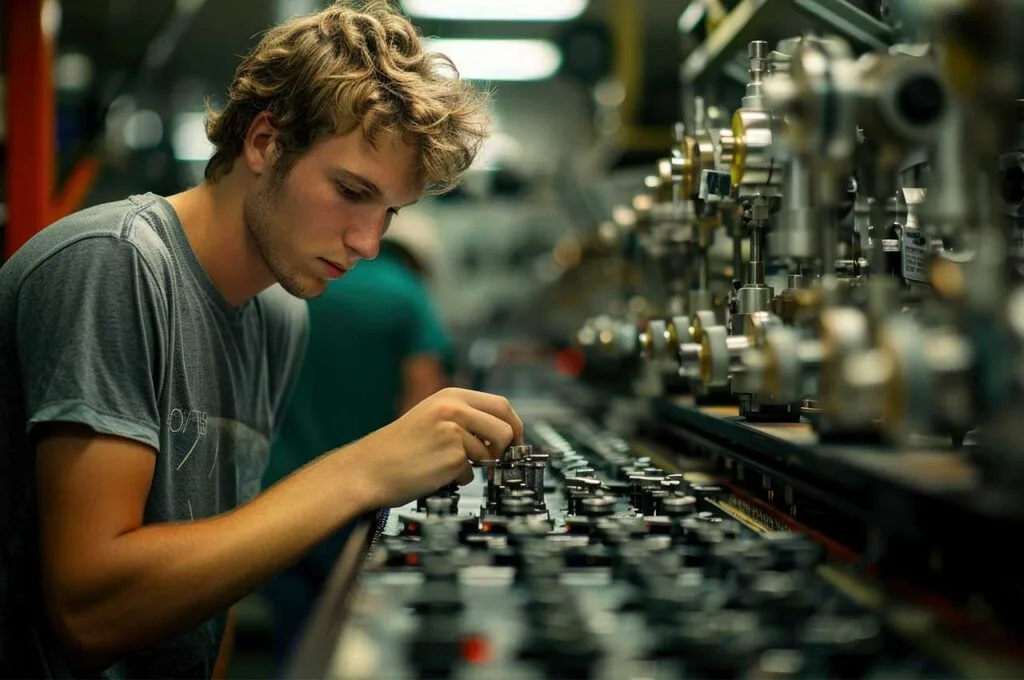
Smart Manufacturing
Modern production facilities utilize:
- CNC machining
- Automated inspection
- Robotic manufacturing
Advanced Materials
Emerging materials provide:
- Better corrosion resistance
- Higher pressure capabilities
- Extended service life
Digital Traceability
Many manufacturers now offer:
- QR-code tracking
- Material certificates
- Digital quality records
These technologies improve supply chain transparency.
Conclusion
A pipe fittings union is one of the most practical and versatile components in modern piping systems. By providing a removable yet secure connection, unions simplify maintenance, reduce downtime, and improve overall system efficiency.
Whether used in water treatment facilities, industrial processing plants, HVAC systems, or oil and gas infrastructure, selecting the appropriate union type, material, and pressure rating is essential for long-term reliability. Understanding the basics of pipe fittings union design, installation, and application enables engineers, contractors, and buyers to make informed decisions that enhance safety, performance, and lifecycle value.
FAQ
What is the purpose of a pipe fittings union?
A pipe fittings union allows pipes and equipment to be connected and disconnected easily without cutting the piping system.
When should I use a union instead of a coupling?
Use a union when future maintenance or equipment removal is anticipated.
Are stainless steel unions better than brass unions?
Stainless steel generally provides greater corrosion resistance and strength, while brass may offer lower cost and easier installation.
Can pipe fittings union products be reused?
Yes. Most unions can be disconnected and reassembled multiple times if sealing surfaces remain undamaged.
What industries use pipe fittings union components most frequently?
Water treatment, oil and gas, chemical processing, HVAC, food processing, pharmaceutical manufacturing, and general industrial facilities.
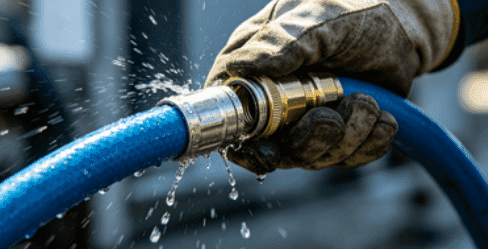
How do I prevent leakage in a pipe fittings union?
Proper installation, correct torque, compatible sealing materials, and regular inspection help minimize leakage risk.