When engineers, procurement managers, and system designers search for a pipe union fittings cost guide, they are rarely looking for a single price number. What they really want is clarity:
Why do prices vary so much? What truly affects cost? And how can I choose fittings that balance budget, safety, and long-term value?
Pipe union fittings sit at the intersection of engineering precision and commercial decision-making. A small price difference per unit can translate into thousands of dollars over a project’s lifecycle. This guide is designed to answer not only how much pipe union fittings cost, but what that cost actually means.
Table of Contents
Key Takeaways at a Glance
- What pipe union fittings are and how they differ from other pipe connectors
- The real cost drivers behind pipe union fittings pricing
- Average market price ranges backed by industry data
- Material, size, pressure class, and standard comparisons
- Lifecycle cost vs upfront price explained clearly
- Practical buying advice aligned with real-world applications
- Frequently asked questions based on modern Google search behavior
Understanding Pipe Union Fittings in Modern Piping Systems
What Are Pipe Union Fittings?
Pipe union fittings are detachable pipe connectors that allow two pipe sections to be joined and separated without cutting, welding, or rotating the pipes. A typical design includes:
- A male end
- A female end
- A central union nut that compresses the joint
This structure makes pipe union fittings especially valuable in systems requiring frequent maintenance, inspection, or component replacement.
Why Pipe Union Fittings Are Widely Used
Pipe union fittings are common in:
- Industrial process piping
- Chemical and petrochemical plants
- HVAC and plumbing systems
- OEM equipment and modular assemblies
Their ability to reduce downtime and simplify maintenance often outweighs their slightly higher unit cost compared to permanent joints.
Why a Pipe Union Fittings Cost Guide Matters
Cost Is More Than Just Unit Price
Many buyers initially focus on price per fitting, but experienced engineers evaluate cost from a broader perspective:
- Installation labor
- Maintenance frequency
- System downtime
- Replacement and spare inventory
Pipe union fittings often demonstrate lower total cost of ownership (TCO) even if their upfront price is higher.
Procurement Trends in the Global Market
According to industrial procurement surveys, over 62% of buyers prioritize lifecycle cost over initial purchase price when selecting pipe connection components. This shift makes understanding pricing structure essential.
Core Cost Drivers of Pipe Union Fittings
Material Selection and Cost Implications
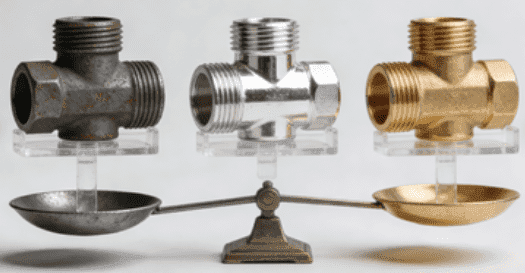
Carbon Steel Pipe Union Fittings
Carbon steel remains the most cost-effective choice for general industrial applications. It offers good mechanical strength at a relatively low price point.
- Typical cost advantage: 30–50% lower than stainless steel
- Best suited for non-corrosive environments
Stainless Steel Pipe Union Fittings
Stainless steel fittings command higher prices due to alloy content, corrosion resistance, and hygiene performance.
- Grades like 304 and 316 significantly increase material cost
- Common in food processing, pharmaceuticals, and chemical industries
Brass Pipe Union Fittings
Brass offers a balance between cost and corrosion resistance.
- Popular in plumbing and HVAC systems
- Moderate pricing and good machinability
Size, Pressure Rating, and Their Impact on Price
Nominal Pipe Size (NPS)
As pipe diameter increases, material volume and machining complexity rise proportionally. This directly affects pipe union fittings cost.
Pressure Class Considerations
Higher pressure ratings require:
- Thicker walls
- Tighter tolerances
- Enhanced testing procedures
Each of these adds to manufacturing cost.
Manufacturing Method and Cost Structure
Forged vs Cast Pipe Union Fittings
Forged pipe union fittings typically cost more than cast alternatives, but offer:
- Higher structural integrity
- Better fatigue resistance
- Longer service life
Cast fittings are less expensive but may not meet demanding pressure or safety requirements.
Industry Standards and Certification Costs
Compliance with standards such as:
- ANSI / ASME
- DIN
- ISO
adds testing, documentation, and quality control costs. However, certified pipe union fittings reduce risk and ensure interchangeability across global systems.
Average Market Price Ranges for Pipe Union Fittings
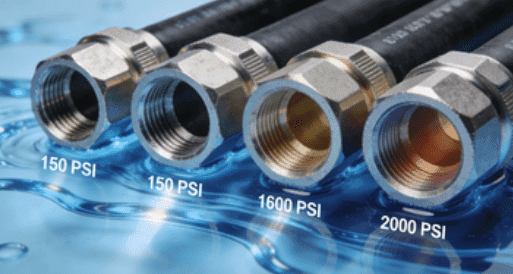
| Material | Size Range | Pressure Class | Typical Unit Price (USD) |
|---|---|---|---|
| Carbon Steel | 1/2”–2” | Class 150 | $3 – $10 |
| Stainless Steel 304 | 1/2”–2” | Class 150 | $8 – $20 |
| Stainless Steel 316 | 1/2”–2” | Class 300 | $15 – $30 |
| Brass | 1/2”–1½” | Medium | $5 – $15 |
| Alloy Steel | 1”–3” | High Pressure | $18 – $40 |
These figures reflect global average procurement prices and may vary by region and order volume.
Pipe Union Fittings Cost vs Other Connection Types
Pipe Union Fittings vs Flanged Connections
Pipe union fittings are generally more economical for small to mid-size pipelines. Flanges become cost-effective only in larger diameters where unions are impractical.
Pipe Union Fittings vs Welded Joints
Welding reduces component cost but increases:
- Labor expenses
- Inspection requirements
- Downtime during repairs
Pipe union fittings trade slightly higher material cost for flexibility.
Pipe Union Fittings vs Compression Fittings
Compression fittings are often cheaper upfront but may not handle vibration or pressure as effectively in industrial environments.
Hidden Costs Buyers Often Miss
Installation Time and Labor
Pipe union fittings can reduce installation time by 20–40% compared to welded systems.
Maintenance and Downtime
In continuous-process industries, one hour of downtime can cost thousands of dollars. Detachable joints significantly reduce these losses.
Inventory and Spare Parts
Standardized pipe union fittings simplify spare parts management and reduce inventory overhead.
Lifecycle Cost Analysis of Pipe Union Fittings
Initial Cost vs Long-Term Value
A fitting that costs 20% more initially may last twice as long and require fewer replacements.
Risk Reduction Value
Leak prevention, safety compliance, and system reliability all contribute indirect cost savings.
Industry experts often note that “connection reliability is one of the most underestimated cost factors in piping systems.”
Application-Based Cost Considerations
Industrial and Chemical Processing
Here, higher-cost stainless steel pipe union fittings are justified by corrosion resistance and safety.
Plumbing and HVAC Systems
Brass and carbon steel fittings dominate due to moderate pressure and cost sensitivity.
OEM and Equipment Manufacturing
Compact design, repeatability, and standardization influence cost more than raw material alone.
How to Buy Pipe Union Fittings More Cost-Effectively
Define the Actual Operating Conditions
Avoid overengineering. Match material and pressure rating precisely to application needs.
Prioritize Standard Sizes and Threads
Non-standard specifications increase lead time and cost.
Consider Total Project Scale
Bulk purchasing can reduce unit cost by 15–30%.
Common Buyer Questions Driving Search Traffic

“Are pipe union fittings worth the cost?”
Yes, especially in systems requiring regular maintenance or inspection.
“What material offers the best price-performance ratio?”
Carbon steel typically offers the best balance for non-corrosive environments.
“Why do similar-looking fittings have very different prices?”
Differences often lie in material grade, tolerances, standards, and testing.
Final Thoughts: Making Smart Cost Decisions with Pipe Union Fittings
A well-informed pipe union fittings cost guide empowers buyers to move beyond surface-level pricing. By understanding materials, manufacturing, standards, and lifecycle economics, engineers and procurement professionals can make decisions that protect both budgets and system integrity.
In modern piping systems, the true cost of pipe union fittings is not what you pay at purchase—but what you save over time through reliability, flexibility, and reduced risk.
FAQ
How much do pipe union fittings usually cost?
Most standard pipe union fittings range from $3 to $25 per unit depending on material and size.
Are stainless steel pipe union fittings overpriced?
They cost more, but their durability and corrosion resistance often reduce long-term expenses.
Can cheaper pipe union fittings cause system problems?
Low-quality fittings may lead to leaks, frequent replacements, and safety risks.
Do pipe union fittings reduce maintenance costs?
Yes. Their detachable design simplifies servicing and minimizes downtime.
How do I avoid paying more than necessary?
Focus on application requirements, verify standards, and compare lifecycle value rather than unit price alone.