Blog Highlights
- Introduction to SS pipe couplings and PVC couplings
- Detailed material, durability, and application comparisons
- Cost analysis and lifecycle assessment
- Global standards and compliance guidance
- Case studies from industrial and commercial projects
- Installation, maintenance, and troubleshooting tips
- FAQs addressing common buyer and engineer questions
- Sustainability and environmental considerations
- Future trends and technological innovations
Introduction
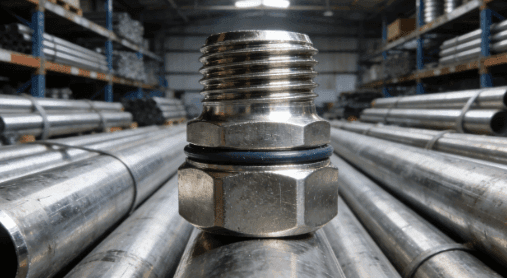
Selecting the proper coupling for your piping system is no longer just a technical requirement—it is a strategic decision that impacts safety, operational efficiency, lifecycle costs, and regulatory compliance.
In modern industrial applications, a single failure in piping connections can result in equipment downtime, product loss, environmental hazards, and expensive repairs. For this reason, understanding the differences between SS pipe couplings and PVC couplings is critical for engineers, project managers, and procurement teams.
According to a 2024 report by MarketsandMarkets, the global industrial pipe fittings market is expected to reach $60 billion by 2028, with stainless steel products capturing over 45% of the share due to their reliability and durability. Choosing the wrong coupling type could result in operational inefficiencies and higher long-term costs.
Table of Contents
What Are SS Pipe Couplings?
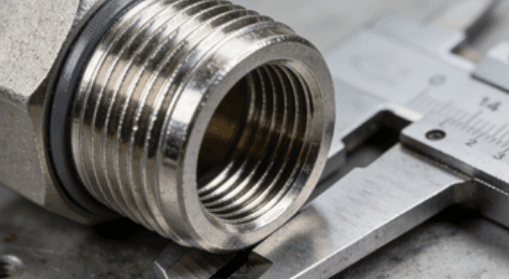
Definition and Concept
SS pipe couplings are connectors made of stainless steel used to join two or more pipes in a secure, leak-proof connection. They are manufactured from high-grade stainless steel, such as 304, 316, and 316L, offering superior mechanical strength and corrosion resistance.
Key Advantages
- High Corrosion Resistance: SS couplings withstand chemical exposure, seawater, and industrial fluids.
- Mechanical Strength: Suitable for high-pressure and high-temperature systems, often exceeding 1000 psi and 800°F in performance.
- Longevity: Lifespan often exceeds 50 years with minimal maintenance, making them ideal for long-term industrial projects.
Common Applications
- Chemical processing plants
- Oil and gas pipelines
- High-pressure steam systems
- Marine environments and desalination plants
What Are PVC Couplings?
Definition and Concept
PVC couplings are plastic connectors designed for joining PVC pipes. They are lightweight, corrosion-resistant, and widely used in low-pressure systems like water distribution, irrigation, and drainage.
Key Advantages
- Cost-Effective: PVC couplings are inexpensive, making them suitable for budget-conscious projects.
- Lightweight: Easy to transport and install, reducing labor costs.
- Chemical Resistance: Suitable for neutral liquids and mild chemicals.
Common Applications
- Residential plumbing and irrigation
- Low-pressure water distribution systems
- Drainage and wastewater pipelines
Material Properties Comparison
Strength and Durability
| Feature | SS Pipe Couplings | PVC Couplings |
|---|---|---|
| Tensile Strength | 515–750 MPa | 45–55 MPa |
| Impact Resistance | Excellent | Low |
| Temperature Range | -200°C to 427°C | 0°C to 60°C |
| Pressure Rating | Up to 1000 psi | Up to 150 psi |
| Lifespan | 50–100 years | 15–25 years |
SS pipe couplings are preferred for applications requiring high pressure, mechanical stress, or temperature extremes, whereas PVC couplings are suitable for residential or light commercial projects.
Corrosion Resistance and Environmental Performance
SS pipe couplings outperform PVC in harsh environments, particularly where exposure to chlorides, acids, or saltwater is common. According to NACE International, stainless steel components maintain structural integrity over decades even under corrosive conditions, while PVC may degrade under UV or chemical stress.
Industry Standards and Compliance
Stainless Steel Couplings
- ASTM A182 / A351: Standard for forged and cast stainless steel fittings
- ASME B16.11: Forged fittings, socket-welding, and threaded connections
- ISO 1127 / ISO 4200: Dimensions and tolerances for stainless steel tubes and couplings
PVC Couplings
- ASTM D2466: Schedule 40 PVC pipe fittings
- ISO 1452: Plastic piping systems for water supply
Compliance with international standards ensures system safety, regulatory approval, and insurance coverage. Engineers often rely on SS pipe couplings for projects requiring UL, CE, or ISO certification, which PVC may not always satisfy.
Applications and Use Cases
Industrial Applications
SS pipe couplings are essential for industries requiring high reliability, such as:
- Oil refineries
- Chemical manufacturing
- High-pressure steam and gas pipelines
PVC couplings are ideal for non-critical applications, including:
- Irrigation and water supply
- Wastewater pipelines
- Residential plumbing
Case Study: Chemical Plant in Southeast Asia
A chemical facility installed 316L stainless steel couplings across its 20 km piping network. The results:
- Reduced maintenance downtime by 40%
- Increased operational safety
- Lifecycle costs lowered by 30% over 10 years
Case Study: Municipal Water Project
A municipal water system used PVC couplings for 10 km of distribution piping:
- Initial cost reduced by 60% compared to SS
- Lifespan estimated at 20 years
- Limited exposure to chemicals made PVC a viable option
Installation and Maintenance
SS Pipe Couplings Installation
- Requires alignment tools and torque calibration
- May involve welding, threading, or mechanical fastening
- Minimal maintenance after proper installation
PVC Couplings Installation
- Simple push-fit or solvent cement methods
- Quick assembly, ideal for small projects or DIY applications
- Susceptible to cracking under extreme temperature or pressure
Maintenance Comparison
| Maintenance Aspect | SS Pipe Couplings | PVC Couplings |
|---|---|---|
| Frequency | Low | Medium |
| Repair Complexity | Moderate | Low |
| Long-Term Cost | Low | Medium to High |
Cost and Lifecycle Analysis
While PVC couplings are cheaper upfront, SS pipe couplings provide better long-term value due to reduced maintenance, fewer replacements, and compliance with industrial standards. According to a 2023 survey by Engineering News-Record (ENR), industrial facilities that invested in stainless steel piping experienced a 25% reduction in total lifecycle costs over 20 years.
Sustainability and Environmental Considerations

- Stainless Steel: Over 90% recyclable globally; supports LEED and BREEAM certifications
- PVC: Recyclable, but production involves chlorine-based processes with environmental concerns
- Carbon Footprint: Modern electric-arc furnace production reduces steel emissions by up to 60%
Choosing SS pipe couplings aligns with green building initiatives and sustainable industrial practices.
Technological Innovations
- BIM Integration: Engineers simulate SS pipe coupling performance digitally
- AI Optimization: Predicts stress points and improves material efficiency
- Smart Monitoring: IoT sensors track real-time load and vibration in industrial pipelines
Future Trends
- Prefabricated modular piping with SS couplings
- Hybrid systems combining SS and PVC for cost-effectiveness
- High-performance alloys for extreme chemical or thermal resistance
- Robotic welding and automated assembly to reduce labor costs
FAQ
1. Can PVC couplings handle industrial chemicals?
No, PVC is limited to neutral or mild chemicals. Stainless steel is recommended for strong acids, bases, and solvents.
2. Are SS pipe couplings worth the investment?
Yes, especially for high-pressure, high-temperature, or long-term projects where reliability is critical.
3. How long do SS couplings last in marine environments?
High-grade stainless steel (316L) can last 50–70 years even with saltwater exposure.
4. Can PVC couplings be installed DIY?
Yes, PVC couplings are lightweight and easy to assemble with solvent cement or push-fit methods.
5. Which is better for retrofitting existing pipelines?
SS pipe couplings are preferred for industrial retrofits; PVC is suitable for low-pressure residential retrofits.
6. How do I choose the right SS coupling grade?
Consider chemical exposure, temperature, and pressure requirements. Common options: 304 for general use, 316/316L for corrosive environments.
Conclusion
The choice between SS pipe couplings and PVC couplings depends on pressure, temperature, chemical exposure, budget, and project lifecycle goals.
- For industrial, high-pressure, or high-temperature applications, SS pipe couplings are unmatched in strength, durability, and compliance.
- For low-pressure residential or short-term projects, PVC couplings are cost-effective and easy to install.
Investing in the right coupling ensures safety, reduces maintenance costs, and improves long-term operational efficiency.