Table of Contents
Introduction
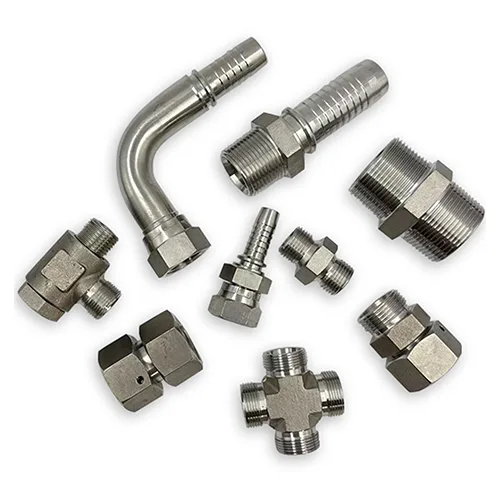
Stainless tube fittings are essential components in modern industrial piping and fluid transfer systems. They are designed to connect, control, and direct the flow of liquids and gases in high-pressure and corrosive environments.
Thanks to their strength, corrosion resistance, and long service life, stainless steel tube fittings are widely used in hydraulic systems, chemical processing, oil and gas, food production, and marine engineering.
This guide explains the top 5 benefits of stainless steel tube fittings in industry, helping engineers and procurement teams understand why they are a preferred choice for critical applications.
Excellent Corrosion Resistance
One of the biggest advantages of stainless steel tube fittings is their outstanding resistance to corrosion. Made from stainless steel alloys (such as 304 and 316 grades), they perform well in harsh environments.
Key benefits include:
- Resistance to moisture and humidity
- Protection against chemical exposure
- Excellent performance in marine environments
- Reduced rust and surface degradation
This makes stainless steel tube fittings ideal for chemical plants, offshore systems, and humid industrial conditions.
High Strength and Pressure Resistance
Stainless steel tube fittings are designed to handle high-pressure conditions without deformation or leakage. Their strong metallic structure ensures reliable performance in demanding systems.
Advantages:
- Withstand high hydraulic and pneumatic pressure
- Maintain structural integrity under stress
- Reduce risk of system failure
- Suitable for heavy-duty industrial applications
This makes them ideal for hydraulic systems, oil pipelines, and high-pressure fluid transfer lines.
Long Service Life and Durability
Durability is a key reason why industries choose stainless steel tube fittings over alternative materials. They are built for long-term operation with minimal maintenance.
Benefits include:
- Extended operational lifespan
- Resistance to wear and mechanical stress
- Reduced replacement frequency
- Lower long-term maintenance costs
Their durability helps reduce downtime and improves overall system efficiency.
Leak-Free and Secure Connections
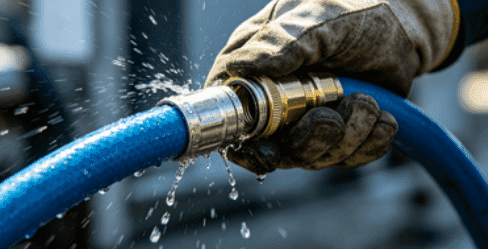
Properly installed stainless tube fittings provide highly secure, leak-free connections. This is critical in systems where fluid loss or contamination can lead to safety hazards or production issues.
Key features:
- Precision-engineered sealing surfaces
- Compatibility with compression and flare designs
- Reduced vibration-related loosening
- Improved system safety and reliability
Leak prevention is especially important in chemical, hydraulic, and gas systems.
Table: Key Advantages of Stainless Tube Fittings
| Benefit | Description | Industrial Impact |
|---|---|---|
| Corrosion Resistance | Resists rust and chemicals | Longer service life |
| High Strength | Handles high pressure systems | Improved safety |
| Durability | Long-term performance | Lower maintenance cost |
| Leak Prevention | Secure sealing design | Reduced downtime |
| Versatility | Multiple applications | Wide industry use |
Wide Range of Industrial Applications
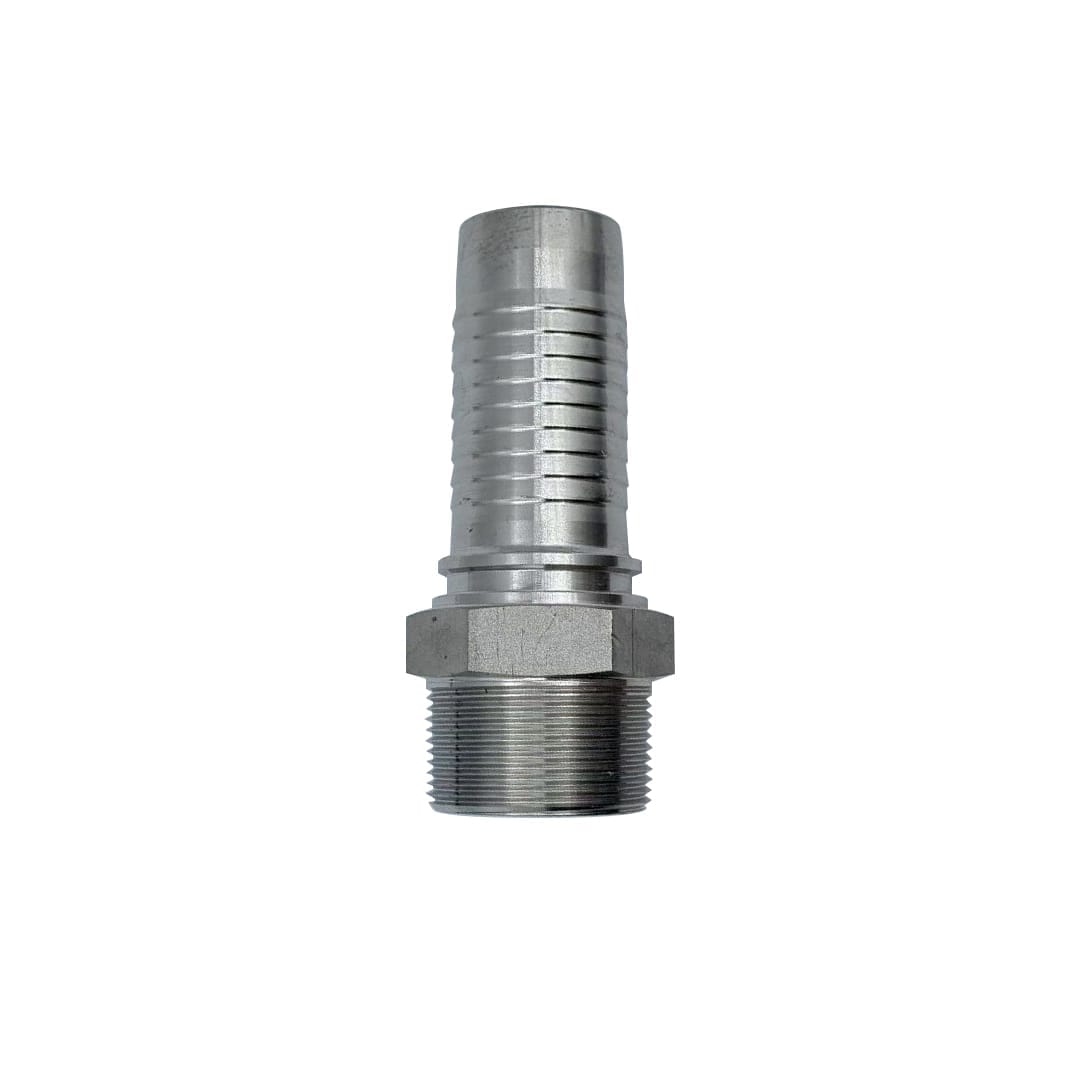

Stainless tube fittings are highly versatile and used across many industries due to their adaptability and performance.
Common applications include:
- Hydraulic systems and machinery
- Chemical processing plants
- Oil and gas pipelines
- Food and beverage production
- Pharmaceutical equipment
- Marine and offshore systems
Their flexibility makes them a standard choice in modern industrial engineering.
Conclusion
Stainless tube fittings offer a combination of corrosion resistance, high strength, durability, leak-free performance, and wide industrial application. These advantages make them a reliable and cost-effective solution for modern industrial systems.
For engineers and system designers, choosing stainless tube fittings ensures long-term safety, efficiency, and reduced maintenance costs in demanding environments.
FAQ
What are stainless tube fittings used for?
Stainless tube fittings are used to connect, control, and direct fluid or gas flow in industrial systems. They are commonly applied in hydraulic systems, chemical plants, oil and gas pipelines, and food-grade processing equipment for secure, leak-free performance.
Why use stainless tube fittings instead of other materials?
Stainless tube fittings offer excellent corrosion resistance, high strength, and long service life. Compared to carbon steel or plastic fittings, they perform better in harsh environments involving moisture, chemicals, and high-pressure conditions.
Can stainless tube fittings handle high pressure?
Yes, stainless tube fittings are designed for high-pressure applications. Their strong metal structure and precision engineering allow them to maintain sealing integrity in hydraulic, pneumatic, and industrial fluid systems under demanding conditions.
What is the difference between 304 and 316 stainless tube fittings?
304 stainless tube fittings are suitable for general use, while 316 fittings contain molybdenum for enhanced corrosion resistance. 316 is preferred in marine, chemical, and highly corrosive environments.
How long do stainless tube fittings last?
With proper installation and maintenance, stainless tube fittings can last many years. Their durability depends on operating pressure, environment, and material grade, but they generally offer long-term, low-maintenance performance in industrial systems.
Need Help Choosing the Right Stainless Tube Fittings?
If you’re unsure which stainless tube fittings are best for your system or application, our experts are here to help. Contact us today for a personalized consultation, and ensure your connections are secure, corrosion-resistant, and built for long-term industrial performance. Don’t wait until system failures cause downtime—get in touch now to keep your operations safe, efficient, and reliable!