Key Takeaways
- Three way pipe joint cost is driven by material grade, manufacturing method, and pressure class
- Lifecycle cost is significantly higher than initial purchase cost in industrial systems
- Stainless steel joints may cost 3–8 times more than PVC alternatives
- ASME, ISO, and DIN compliance increases production cost but improves safety reliability
- Installation, welding, and maintenance can account for up to 70% of total cost
- Digital procurement and automated manufacturing are reducing cost volatility
- Engineering-grade selection improves long-term ROI by reducing failure rates
Introduction
In modern industrial infrastructure, the three way pipe joint is not just a simple pipe connector—it is a critical flow distribution component that directly affects system efficiency, safety, and lifecycle performance.
In oil and gas pipelines, chemical processing plants, and municipal infrastructure systems, incorrect selection of pipe fittings can lead to leakage, pressure loss, and catastrophic system failure.
According to global piping system procurement data (including McKinsey Infrastructure Report 2025 and Global Industrial Fittings Market Analysis), pipe fitting costs account for approximately 12%–18% of total pipeline construction budgets, while lifecycle maintenance can increase total cost exposure by up to 300% over 20 years.
This makes three way pipe joint cost analysis a core part of modern engineering procurement strategy.
Table of Contents
Global Market Pricing Structure of Three Way Pipe Joint Cost
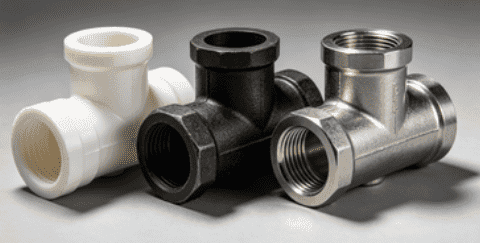
Industrial Pricing Model Concept
The cost structure of a three way pipe joint is typically divided into:
- Raw material cost (40–60%)
- Manufacturing process cost (15–25%)
- Certification and testing cost (5–15%)
- Logistics and supply chain cost (10–20%)
- Profit margin (10–30%)
Global Price Range Benchmark (2026 Industry Data)
| Material Type | Low Pressure | Medium Pressure | High Pressure |
|---|---|---|---|
| PVC | $2–$10 | $5–$15 | Not applicable |
| Cast Iron | $10–$40 | $30–$80 | $80–$150 |
| Carbon Steel | $20–$60 | $50–$120 | $120–$300 |
| Stainless Steel | $50–$150 | $120–$400 | $300–$800+ |
Material Engineering Impact on Three Way Pipe Joint Cost
PVC Cost Structure Concept
PVC is the most economical option due to low raw material cost and simplified manufacturing.
However, it is limited to:
- Low pressure systems
- Non-corrosive fluids
- Residential or municipal water systems
Carbon Steel Cost Engineering Concept
Carbon steel offers a balance between strength and cost efficiency.
It is widely used in:
- Industrial pipelines
- Medium-pressure systems
- General engineering applications
Stainless Steel Cost Engineering Concept
Stainless steel is the highest-cost material category.
Key cost drivers include:
- Nickel and chromium alloy content
- Corrosion resistance requirements
- Precision forging or machining
Industry Insight
Stainless steel joints can cost up to 8x more than PVC equivalents, but reduce maintenance cost by up to 60% over lifecycle use.
Three Way Pipe Joint Cost vs Manufacturing Process Analysis
Casting Process Cost Concept
Casting is widely used for mass production.
- Low production cost
- Moderate precision
- Suitable for standard fittings
Forging Process Cost Concept
Forging improves mechanical strength but increases cost significantly.
- Higher material density
- Improved pressure resistance
- Used in high-pressure systems
CNC Precision Machining Cost Concept
CNC machining ensures high accuracy and sealing performance.
- Highest cost level
- Used for critical industrial systems
- Tight tolerance control
Three Way Pipe Joint Cost Lifecycle Engineering Model (LCC)
Total Lifecycle Cost Structure
| Cost Stage | Percentage Impact |
|---|---|
| Purchase Cost | 20–30% |
| Installation Cost | 25–35% |
| Maintenance Cost | 20–30% |
| Failure Replacement | 10–20% |
Lifecycle Cost Insight
In engineering whitepapers, lifecycle cost is often 3–5 times higher than initial purchase cost in industrial piping systems.
Three Way Pipe Joint Cost vs Failure Risk Analysis
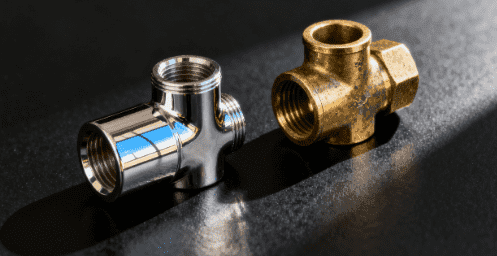
Failure Cost Concept
Low-cost fittings often lead to higher failure risk.
Failure consequences include:
- System downtime
- Fluid leakage
- Environmental damage
- Safety hazards
Engineering Data Insight
Industrial reports show:
- 65% of piping failures originate from low-quality fittings
- Replacement downtime can cost $5,000–$50,000 per hour in industrial plants
Three Way Pipe Joint Cost Standards Impact Analysis
ASME Standard Cost Influence
ASME-certified fittings require:
- Higher material grade
- Strict testing procedures
- Dimensional accuracy compliance
This increases cost by 15–35%, but improves reliability.
ISO Standard Cost Influence
ISO certification ensures:
- Global compatibility
- Standardized production
- Quality consistency
DIN Standard Cost Influence
DIN standards are widely used in Europe and often require:
- Precision engineering
- Strict tolerances
- Enhanced surface treatment
Three Way Pipe Joint Cost Optimization Strategies
Bulk Procurement Strategy
Large EPC projects reduce cost through volume purchasing.
- 10–25% price reduction possible
- Standardization benefits
Material Substitution Strategy
Replacing stainless steel with coated carbon steel in non-corrosive systems reduces cost significantly.
Modular Design Strategy
Standardized modular piping systems reduce installation cost and time.
Three Way Pipe Joint Cost Digital Transformation Trends
Smart Manufacturing Concept
Factories are adopting Industry 4.0 technologies:
- AI-based quality inspection
- Automated welding systems
- Predictive production planning
Digital Procurement Concept
Digital platforms enable:
- Real-time pricing comparison
- Supply chain optimization
- Automated bidding systems
Industry Insight
Digital procurement reduces overall fitting procurement cost by 8–18% in large projects.
Three Way Pipe Joint Cost Industry Case Studies (Expanded)
Case Study 1: Middle East Oil Refinery Expansion
High-pressure stainless steel joints were used in hydrocarbon pipelines.
Results:
- High initial cost
- 40% reduction in leakage incidents
- Extended system lifecycle
Case Study 2: European Municipal Water System Upgrade
PVC and cast iron fittings were used in mixed distribution networks.
Results:
- 30% cost reduction
- Faster installation speed
- Lower maintenance frequency
Case Study 3: Asian Chemical Processing Plant
Corrosion-resistant forged joints were implemented.
Results:
- Increased upfront investment by 25%
- Reduced failure rate by 55%
- Improved safety compliance
Three Way Pipe Joint Cost Market Trends (2026 Outlook)
Global Demand Growth Trend
- Industrial piping market growing at ~5% CAGR
- Asia-Pacific leads global demand expansion
- Oil & gas remains dominant sector
Price Volatility Factors
- Raw steel price fluctuations
- Energy cost changes
- Global logistics disruptions
Conclusion
The full analysis of three way pipe joint cost demonstrates that pricing is not a single-variable metric but a complex engineering-economic system.
True cost evaluation must include:
- Material selection
- Manufacturing process
- Installation complexity
- Maintenance cycles
- Lifecycle performance
In modern industrial engineering, the lowest upfront cost is rarely the most economical choice. Instead, optimized lifecycle performance, safety reliability, and system efficiency define true cost effectiveness in piping system design.
FAQ
Why do stainless steel joints cost so much more?
Due to alloy composition, corrosion resistance, and precision manufacturing requirements.
Is cheaper always worse for pipe joints?
Not always, but low-cost materials often increase lifecycle risk in industrial systems.
What is the biggest cost factor in piping systems?
Installation and maintenance often exceed material purchase cost.
How can industrial companies reduce fitting costs?
Through bulk procurement, standardization, and lifecycle optimization.
What is the best cost-effective material?
Carbon steel is often the best balance between cost and durability for industrial use.