Table of Contents
Key Takeaways for This Blog
- Primary advantages of reusable hydraulic fittings in industrial systems
- Cost savings and environmental benefits
- Comparison with standard single-use hydraulic fittings
- Material, design, and durability considerations
- Maintenance and inspection tips for long-term performance
- Applications across construction, agriculture, and manufacturing
- Safety and compliance standards for reusable hydraulic fittings
- Emerging innovations and trends
- FAQ addressing common contractor and engineer questions
Introduction

Hydraulic systems are the backbone of modern machinery, from industrial presses to construction equipment. The reliability and efficiency of these systems depend heavily on the quality of their components, especially reusable hydraulic fittings. Unlike single-use fittings, reusable options are engineered for repeated assembly and disassembly without compromising seal integrity. According to a 2023 report from the International Hydraulic Association (IHA), switching to reusable fittings can reduce operational downtime by up to 30% and cut replacement costs by approximately 25%.
These fittings offer both environmental and economic benefits, meeting the growing demand for sustainable practices in manufacturing and industrial operations. This blog explores the main advantages, key considerations, and best practices for reusable hydraulic fittings, helping engineers, contractors, and procurement specialists make informed decisions.
Advantages of Reusable Hydraulic Fittings
Cost Efficiency
Lower Long-Term Expenses
Reusable fittings eliminate frequent replacement, reducing part and labor costs. Over time, savings can be substantial, particularly in large-scale hydraulic systems.
Reduced Downtime
With fewer component failures and faster assembly/disassembly, equipment uptime improves, enhancing productivity.
Environmental Benefits
Less Material Waste
Using fittings multiple times decreases metal and composite waste, contributing to more sustainable operations.
Eco-Friendly Manufacturing
Many reusable fittings are manufactured from recyclable stainless steel or brass, reducing the carbon footprint.
Safety and Reliability
Consistent Seal Integrity
Designed for repeated use, these fittings maintain leak-proof connections, minimizing risks of hydraulic fluid spills.
High-Pressure Performance
Engineered for pressure ratings comparable to single-use fittings, they meet industrial standards such as ISO 8434-1 and SAE J514.
Types of Reusable Hydraulic Fittings
Straight Reusable Fittings
These fittings connect two straight sections of hydraulic tubing or hose, providing a secure, leak-resistant seal. Common materials include stainless steel and carbon steel with plated finishes.
Elbow Reusable Fittings
Used for 45° or 90° directional changes, these fittings prevent kinking and ensure smooth fluid flow. Elbow fittings are essential for compact systems with tight routing constraints.
Swivel and Rotating Fittings
These allow rotation without losing seal integrity, ideal for mobile or dynamic machinery. They reduce stress on hoses, extending service life.
Material and Design Considerations for Reusable Hydraulic Fittings
| Fitting Type | Material Options | Pressure Rating | Durability | Best Use Case |
|---|---|---|---|---|
| Straight | Stainless Steel, Brass | Up to 6000 PSI | Very High | Standard hydraulic lines |
| Elbow | Stainless Steel, Carbon Steel | Up to 5000 PSI | High | Tight-space fluid routing |
| Swivel/Rotating | Stainless Steel | Up to 4000 PSI | High | Mobile machinery, rotating systems |
Observation: Stainless steel offers superior corrosion resistance and longevity, while brass is cost-effective for moderate-pressure applications.
Maintenance and Inspection
Regular Inspection Practices
- Check for scratches, cracks, or signs of wear
- Monitor for leaks at connection points
- Inspect threads for deformation
Cleaning and Lubrication
- Remove debris and contaminants
- Apply anti-seize lubricants to threads to prevent galling
- Ensure O-rings are intact and properly seated
Replacement Guidelines
- Replace fittings showing metal fatigue, corrosion, or compromised threads
- Maintain logs for inspection dates and replacement history
Reusable vs Single-Use Hydraulic Fittings
Comparison Table
| Feature | Reusable Fittings | Single-Use Fittings |
|---|---|---|
| Cost | Higher initial, lower lifetime | Low initial, higher long-term |
| Durability | Up to 50+ reuses | One-time use |
| Environmental Impact | Lower | Higher waste |
| Maintenance | Requires inspection | Minimal maintenance |
| Application Flexibility | High | Moderate |
Observation: Reusable fittings are optimal for high-maintenance or modular systems, whereas single-use fittings may suit disposable or low-pressure applications.
Applications Across Industries
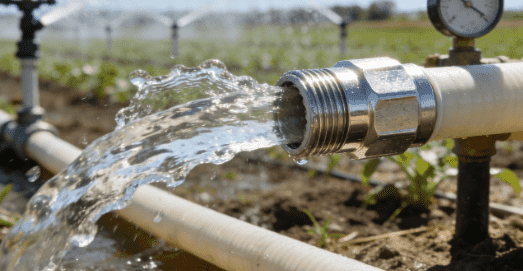
Construction and Heavy Machinery
Reusable fittings reduce downtime in hydraulic cranes, excavators, and loaders, ensuring operational efficiency during high-demand projects.
Agriculture Equipment
Tractors and irrigation systems benefit from the flexibility and longevity of reusable fittings, reducing maintenance intervals.
Manufacturing Systems
In automated hydraulic presses and CNC machines, these fittings ensure consistent fluid flow, minimizing errors and product defects.
Emerging Innovations
IoT-Enabled Fittings
Some reusable fittings now include sensors for pressure, temperature, and leak detection, enabling predictive maintenance.
Advanced Coatings
Anti-corrosion and low-friction coatings enhance performance under extreme temperature or chemical exposure.
Lightweight Alloys
Use of aluminum or composite materials reduces weight without sacrificing strength, suitable for mobile or aerial hydraulic systems.
Real-World Case Studies
Industrial Press Upgrade, Germany
- Problem: Frequent fitting replacements causing downtime
- Solution: Switched to reusable stainless steel fittings
- Result: 28% reduction in downtime, 22% savings in operational costs
Construction Fleet, USA
- Problem: Hydraulic failures in excavators during heavy lifting
- Solution: Introduced reusable elbow and swivel fittings
- Result: Zero leakage incidents for 12 months, improved productivity
FAQ
What are the main advantages of reusable hydraulic fittings?
They reduce cost, minimize downtime, provide consistent sealing, and are environmentally friendly.
Can reusable fittings handle high-pressure applications?
Yes, most are rated up to 6000 PSI or more, depending on material and design.
How many times can a reusable hydraulic fitting be used?
Typically 20–50 times, provided proper maintenance and inspection are performed.
Are reusable fittings compatible with standard hoses?
Yes, they meet SAE and ISO connection standards for broad compatibility.
How should I maintain reusable fittings for optimal performance?
Regular inspection, cleaning, lubrication, and prompt replacement of worn components are key.
Conclusion
Reusable hydraulic fittings are a strategic investment for modern industrial systems. They offer tangible benefits in cost savings, reliability, and environmental sustainability. By selecting appropriate types, materials, and configurations, operators can reduce downtime, enhance safety, and extend the lifecycle of hydraulic systems. Proper inspection, maintenance, and adherence to ISO and SAE standards further optimize performance and prevent common failures. As industries move toward sustainability and smarter maintenance practices, reusable fittings are increasingly indispensable, offering both operational and economic advantages.