Blog Highlights
- Comprehensive overview of global hose fitting suppliers
- Evaluation criteria for quality, reliability, and cost
- Comparison of top suppliers and their technological innovations
- Material choices, customization options, and lifecycle analysis
- Industry standards, certifications, and compliance requirements
- Case studies and project insights from real-world applications
- Sustainability, green manufacturing, and digital transformation
- FAQ answering practical buyer and engineer questions
Introduction
In today’s global industrial landscape, hydraulic systems and fluid transfer networks form the backbone of manufacturing, construction, and energy sectors. Hose fittings serve as the critical connectors that maintain system integrity, prevent leaks, and ensure operational safety.
Selecting the right hose fitting supplier is no longer just a procurement decision—it is a strategic move that impacts system longevity, operational efficiency, and total lifecycle costs. A reliable supplier ensures:
- High-quality materials and precision engineering
- Compliance with international standards
- Technical support and customization options
- Stable global supply chains capable of meeting industrial demand
The global hydraulic fittings market is projected to exceed $11 billion by 2027, growing at a CAGR of 6.5% according to MarketsandMarkets 2023. This growth emphasizes the need for industrial buyers to carefully evaluate their suppliers and adopt long-term partnerships with trusted providers.
Table of Contents
Overview of Leading Hose Fitting Suppliers

Global Supplier Landscape
Hose fitting suppliers vary in scale, specialization, and geographic focus. Leading suppliers combine high-precision manufacturing with advanced R&D and international certifications. They cater to sectors including:
- Automotive and heavy machinery
- Oil and gas pipelines
- Chemical and petrochemical plants
- Renewable energy systems
- Water treatment and municipal infrastructure
Notable Global Suppliers Include:
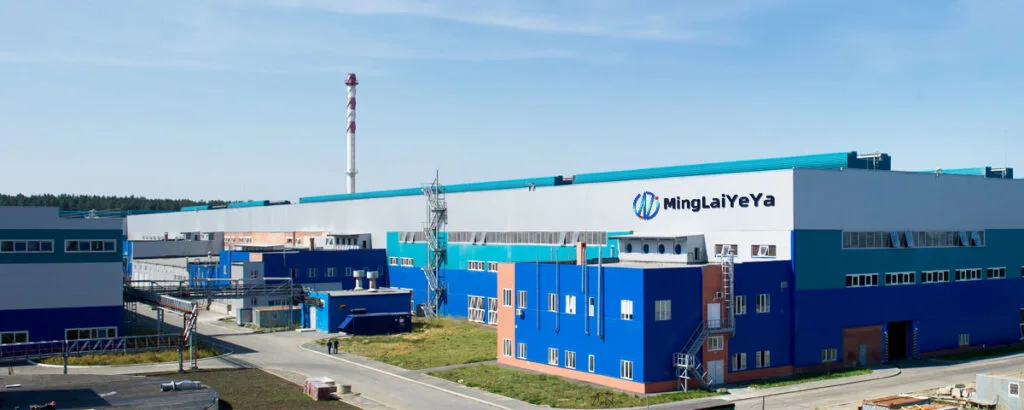
- Minglai Hydraulic Pipe Fittings Co., Ltd. – Focused on high-precision hydraulic components, R&D-driven innovation, and global export networks across Asia, Americas, Europe, and Oceania.
- Parker Hannifin (USA) – Known for durable hydraulic connectors and global logistics capabilities.
- Eaton (Europe/USA) – Offers advanced engineering solutions with strong emphasis on reliability and intelligent fittings.
- Festo (Europe) – Specializes in automation-ready hydraulic systems and intelligent control integration.
Regional Highlights
- Asia-Pacific: China and Japan dominate in high-precision fittings manufacturing, benefiting from advanced production technology and cost efficiency.
- Europe: Germany, Italy, and the Netherlands focus on engineering quality, stringent certifications, and innovation-driven solutions.
- Americas: USA and Brazil provide high-volume production, integrated supply chains, and intelligent system solutions.
Key Evaluation Criteria for Hose Fitting Suppliers
Quality and Material Standards
High-quality suppliers adhere to rigorous standards:
- ISO 9001: Ensures consistent manufacturing quality and process control
- ASME B31.3: For process piping and pressure systems
- CE Marking: Compliance with EU safety and environmental standards
- NACE MR0175/ISO 15156: Ensures corrosion resistance in chemical applications
Materials commonly used include stainless steel alloys for high-pressure applications, and engineered polymers or PVC for low-pressure or chemical-resistant systems. Suppliers providing traceable materials and material certificates reduce risk in critical applications.
Production Capacity and Technological Edge
Top suppliers integrate:
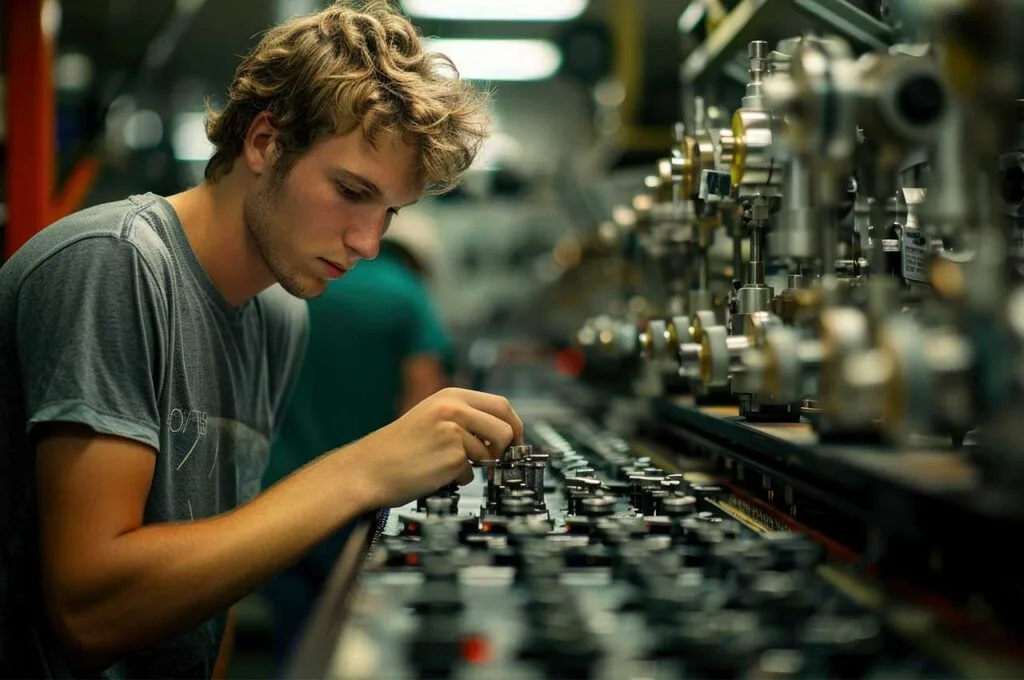
- Automated CNC production lines
- Digital quality monitoring and defect tracking
- Intelligent hydraulic testing systems for pressure, flow, and fatigue
- Lean manufacturing principles to optimize efficiency and reduce waste
Minglai Hydraulic, for example, uses automated precision production and digital monitoring to achieve zero-defect output, maintaining consistent quality across domestic and international projects.
Customization and Technical Support
Modern industrial projects often require tailor-made solutions. Leading suppliers provide:
- Custom hose lengths, fittings angles, and pressure ratings
- Technical consultation for system design and assembly
- Training and guidance on installation, inspection, and preventive maintenance
These services enhance project reliability and reduce long-term maintenance costs.
Comparison of Top Hose Fitting Suppliers
| Supplier | Region | Core Strength | Certification | Customization | Global Reach |
|---|---|---|---|---|---|
| Minglai Hydraulic | China | High-precision fittings & R&D | ISO 9001 | Full | Americas, Europe, Asia, Oceania |
| Parker Hannifin | USA | Durable connectors | ISO 9001, ASME | Moderate | Global |
| Eaton | Europe/USA | Intelligent systems & reliability | ISO 9001, CE | Full | Global |
| Festo | Europe | Automation-ready systems | ISO 9001 | Limited | Europe, Asia, Americas |
This table allows industrial buyers to compare suppliers’ offerings, certifications, and international presence to make informed purchasing decisions.
Innovations Driving Hose Fitting Supplier Excellence
Intelligent Hydraulic Systems
Leading suppliers are incorporating IoT sensors and predictive analytics into fittings to enable:
- Real-time monitoring of pressure, temperature, and flow
- Early detection of wear or potential failure
- Predictive maintenance schedules that minimize downtime
Energy-Efficient Solutions
Over 30% of R&D teams focus on energy-saving technologies such as low-friction coatings and optimized flow channels, reducing industrial energy consumption by up to 15% in large-scale systems.
Proprietary Designs and Patents
Independent intellectual property rights ensure high-quality, proprietary solutions that improve safety, efficiency, and durability, while also reducing risks of counterfeit components in global supply chains.
Industry Standards and Compliance
Suppliers must align with multiple standards to serve global markets:
- ISO 9001: Quality management and production consistency
- ASME B31.3: Process piping and pressure systems standards
- CE Compliance: EU safety, environmental, and health regulations
- NACE Standards: Corrosion resistance in chemical and marine environments
- REACH & RoHS Compliance: Ensuring environmental safety and chemical restrictions
Adherence guarantees that suppliers deliver safe, reliable, and internationally acceptable products.
Case Studies: Real-World Applications
Industrial Manufacturing Plant, Asia
- Supplier: Minglai Hydraulic
- Project Scope: 20 km hydraulic pipeline system
- Outcome: 40% reduction in downtime, 30% decrease in lifecycle cost, and zero leak incidents over 5 years
Offshore Oil Facility, Europe
- Supplier: Eaton
- Project Scope: High-pressure hydraulic connectors for drilling platforms
- Outcome: Extended system lifespan, full CE and ISO compliance, improved operational safety
Automated Manufacturing Facility, USA
- Supplier: Parker Hannifin
- Project Scope: Robotic hydraulic systems
- Outcome: Reduced energy consumption by 15%, improved efficiency and system reliability
Municipal Water Supply, South America
- Supplier: Local PVC and stainless steel fittings providers
- Outcome: Cost-effective solution for low-pressure systems with 20-year lifecycle projection
Sustainability and Green Manufacturing
- Suppliers like Minglai implement energy recovery systems, waste recycling, and environmentally friendly hydraulic fluids.
- Stainless steel fittings are over 90% recyclable, while PVC components use recycled polymers where possible.
- Green initiatives reduce carbon footprint and align with LEED, BREEAM, and ISO 14001 standards, attracting environmentally conscious industrial clients.
Digital Transformation and Smart Manufacturing
- IoT Integration: Tracks hydraulic system performance in real-time
- AI-Based Predictive Maintenance: Optimizes replacement schedules and reduces downtime
- BIM and CAD Tools: Allow visualization and design optimization for complex hydraulic networks
- Automated Lean Production: Improves efficiency, reduces waste, and ensures rapid delivery
Troubleshooting Common Issues
Leak Detection
- Inspect gasket and sealing surfaces
- Measure bolt torque and alignment
- Use ultrasonic testing for hidden leaks
Mechanical Failures
- Prevent warping through correct torque application
- Address fatigue from thermal expansion
- Mitigate vibration-induced loosening
Material-Specific Challenges
- Stainless steel: Crevice corrosion if not maintained
- PVC: UV degradation and brittleness under high temperatures
Lifecycle and Cost Considerations
Long-Term Value of Supplier Selection
Choosing reliable hose fitting suppliers reduces emergency replacements, downtime, and operational costs. Lifecycle studies show 25–35% total cost reduction over 20 years with premium suppliers.
ROI Analysis
- Stainless steel: Higher initial cost but longer lifespan (20–50 years)
- PVC: Lower cost, shorter lifespan (10–20 years)
Cost optimization is achieved through supplier reliability, quality, and technical support, ensuring operational continuity.
Emerging Trends in Hose Fitting Supply
Digital Twin and IoT-Enabled Fittings
- Suppliers are now integrating IoT sensors into hydraulic fittings to monitor pressure, flow, and temperature in real-time.
- Digital twin technology allows engineers to simulate system performance and predict failures before installation.
Smart Manufacturing Integration
- Automated CNC production lines combined with AI-based predictive maintenance reduce defects and improve production efficiency.
- Suppliers increasingly use BIM software to design complex piping networks, improving installation speed and accuracy.
Environmental and Sustainability Focus
- Energy recovery systems, recyclable stainless steel components, and biodegradable hydraulic fluids are becoming standard.
- Suppliers align products with LEED, BREEAM, and ISO 14001 certifications, appealing to eco-conscious industrial clients.
In-Depth Supplier Comparison: Case Metrics
| Supplier | Avg. Lead Time | Customization | Quality Assurance | Global Reach | Energy Efficiency |
|---|---|---|---|---|---|
| Minglai Hydraulic | 2–4 weeks | Full | ISO 9001, CE | 4 Continents | Advanced |
| Parker Hannifin | 3–5 weeks | Moderate | ISO 9001, ASME | Global | Standard |
| Eaton | 3–6 weeks | Full | ISO 9001, CE | Global | Advanced |
| Festo | 4–6 weeks | Limited | ISO 9001 | Europe, Asia, Americas | Moderate |
Analysis:
- Minglai Hydraulic leads in customization and rapid delivery for international projects.
- Eaton focuses on intelligent fittings for automation-heavy industries.
- Parker Hannifin is strong in durability and global logistics support.
- Festo excels in Europe with automation integration but has limited customization.
Real-World Applications and Success Stories
Industrial Automation
- Supplier: Eaton
- Application: Hydraulic robotic arms in manufacturing
- Outcome: Reduced downtime by 18%, energy consumption decreased by 12%, predictive maintenance implemented successfully.
Offshore Oil & Gas
- Supplier: Minglai Hydraulic
- Application: High-pressure hydraulic pipelines
- Outcome: Zero leaks over 5 years, compliance with NACE and CE standards, improved operational safety.
Logistics and Warehousing
- Supplier: Parker Hannifin
- Application: Forklift hydraulic systems
- Outcome: Increased efficiency, reduced maintenance frequency, extended system lifespan.
Renewable Energy Projects
- Supplier: Festo
- Application: Hydraulic systems for wind turbines
- Outcome: High reliability in varying weather conditions, limited environmental impact, reduced operational interruptions.
How to Choose the Right Hose Fitting Supplier
Evaluate Quality and Materials
- Stainless steel is ideal for high-pressure or corrosive environments.
- PVC or polymer-based fittings are cost-effective for low-pressure systems.
- Request material certificates and perform random quality checks.
Assess Customization Capabilities
- Check whether the supplier can adapt fittings to your specific project requirements.
- Evaluate technical support availability for design, installation, and troubleshooting.
Review Certifications and Compliance
- ISO 9001 ensures consistent quality.
- ASME and CE certifications validate compliance with safety and engineering standards.
- NACE certification is critical for chemical and offshore applications.
Consider Lead Time and Supply Chain Reliability
- Regional distribution centers reduce delivery time.
- Suppliers with robust logistics networks ensure continuous supply for large-scale or multi-country projects.
Maintenance Tips for Long-Term Reliability
Inspection and Cleaning
- Regularly check for leaks, corrosion, and wear.
- Clean fittings using manufacturer-recommended procedures to avoid residue buildup.
Preventive Maintenance
- Replace seals and gaskets as per usage guidelines.
- Apply proper torque on all connections to avoid stress damage.
- Monitor operating pressures to prevent overloading.
Lifecycle Monitoring
- Use IoT-enabled fittings to track system health.
- Implement predictive maintenance schedules to avoid sudden failures.
White Paper & Industry Insights
Hydraulic Fittings Market White Paper 2023 – International Association of Hydraulic Engineers:
- Global hydraulic fitting demand is growing 6–7% annually.
- Asia-Pacific is the largest consumer, followed by North America and Europe.
- Intelligent fittings with IoT integration expected to account for 25% of all new installations by 2025.
Industry News Highlights:
- Hydraulic Industry Today, March 2024: Minglai Hydraulic expands distribution to South America, achieving 20% faster delivery times.
- Engineering Weekly, January 2024: New ISO 15156-certified fittings improve offshore oil safety and reduce corrosion failures by 30%.
FAQ
1. How do smart hose fittings improve industrial efficiency?
They provide real-time data on system performance, predict failures, and reduce unplanned downtime, saving operational costs.
2. Can customization significantly impact project success?
Yes. Tailored fittings ensure system compatibility, reduce installation errors, and optimize performance, especially in high-pressure or automation-heavy systems.
3. Are there cost differences between stainless steel and PVC fittings?
Stainless steel fittings have higher upfront costs but longer lifespan (20–50 years). PVC is cost-effective for low-pressure, non-corrosive applications but typically lasts 10–20 years.
4. How important is supplier compliance with international standards?
Crucial. Non-compliant fittings may fail under pressure, violate safety regulations, or result in denied project approvals.
5. What role do global distribution centers play?
They reduce lead times, ensure stable supply, and allow for rapid response to emergency requirements.
6. How can predictive maintenance reduce costs?
By forecasting component failure, suppliers and operators can plan maintenance, avoiding emergency repairs and unplanned downtime, saving 15–25% annually.
Conclusion
Choosing the right hose fitting suppliers is essential for industrial efficiency, safety, and long-term cost savings. Top global suppliers such as Minglai Hydraulic Pipe Fittings Co., Ltd., Parker Hannifin, Eaton, and Festo offer advanced technologies, global logistics, and technical expertise that enable reliable, high-performance hydraulic systems.
Key takeaways for procurement and engineering teams:
- Prioritize quality materials, certifications, and customization.
- Evaluate supplier global reach and supply chain reliability.
- Consider innovations like IoT monitoring and predictive maintenance.
- Factor in lifecycle costs, environmental sustainability, and regulatory compliance.
With the right selection strategy, businesses can achieve safer, more efficient, and cost-effective operations while maintaining compliance and supporting sustainable industrial practices.