Key Takeaways
- How to evaluate reliable hydraulic fitting suppliers in global markets
- Key quality standards and certifications to look for
- Differences between premium and low-cost suppliers
- Manufacturing capabilities, R&D strength, and supply chain factors
- Comparison of supplier types and product offerings
- Practical FAQs for buyers and engineers
Introduction

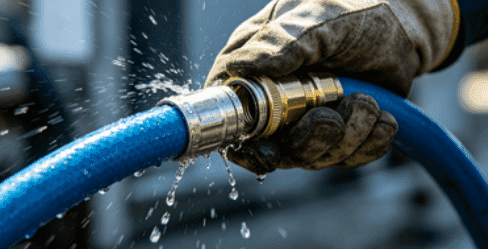
Hydraulic systems depend heavily on the precision and reliability of their components. Among these, hydraulic fittings play a critical role in ensuring leak-free connections and stable pressure transmission. Choosing the right hydraulic fitting suppliers is not just a purchasing decision—it directly impacts system safety, efficiency, and long-term operational cost.
In today’s globalized supply chain, buyers can access suppliers from Asia, Europe, and the Americas, each offering different strengths in pricing, technology, and production capacity. Understanding how to evaluate them is essential for engineers, procurement teams, and distributors.
Table of Contents
Global Overview of Hydraulic Fitting Suppliers
What Defines a Reliable Hydraulic Fitting Supplier
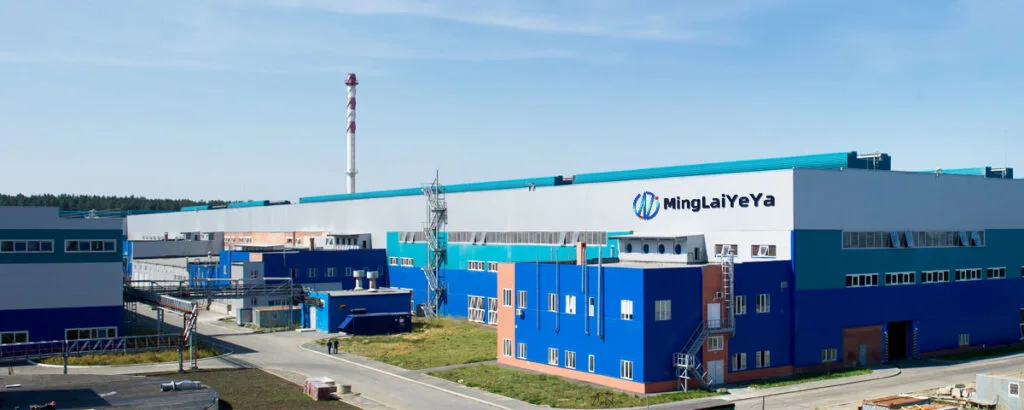
A professional supplier is not only a manufacturer but also a solution provider. High-level suppliers invest in R&D, quality control systems, and global logistics capabilities.
Core Evaluation Criteria
Reliable suppliers typically meet the following conditions:
- ISO-certified production systems
- Stable raw material sourcing
- Advanced CNC machining capabilities
- Full pressure and leakage testing systems
- Export experience across multiple regions
Market Distribution of Hydraulic Fitting Suppliers
Hydraulic fitting suppliers are mainly concentrated in industrial manufacturing regions such as China, Germany, Italy, and the United States. Asian suppliers are known for cost efficiency, while European suppliers often emphasize engineering precision and compliance with strict industrial standards.
Hydraulic Fitting Suppliers and Manufacturing Capabilities

Smart Manufacturing and Production Efficiency
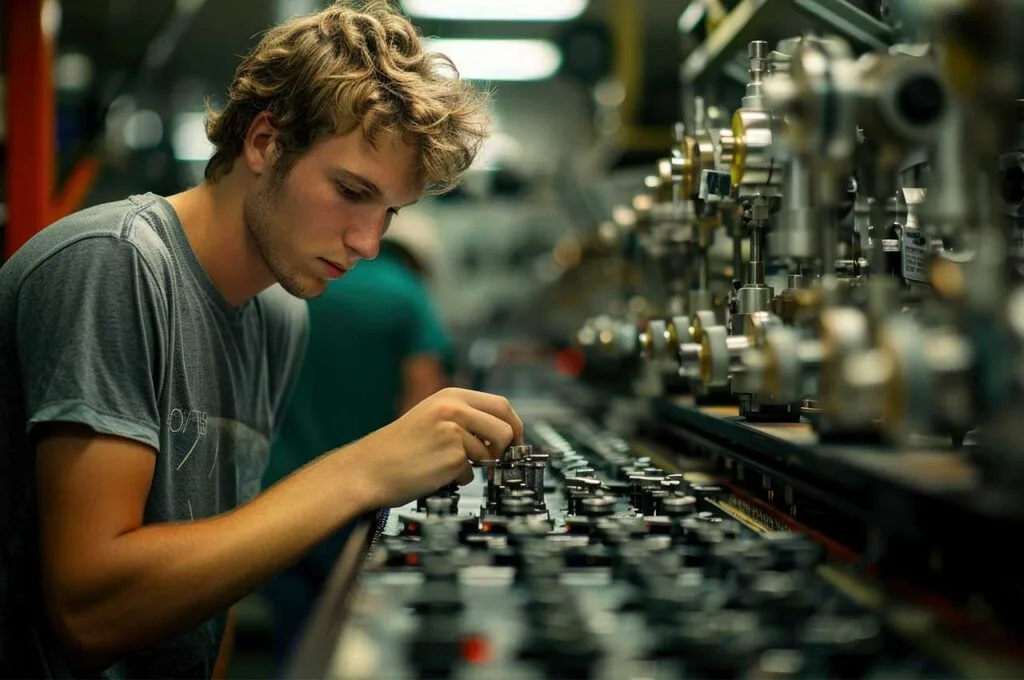
Modern hydraulic fitting suppliers increasingly rely on automated production lines and digital quality monitoring systems. This ensures consistent accuracy in thread machining, sealing surfaces, and pressure resistance.
R&D and Core Technology Development
Advanced suppliers operate dedicated hydraulic R&D centers focusing on:
- High-pressure sealing systems
- Energy-efficient hydraulic transmission
- Intelligent control integration
These innovations improve product durability and expand application scenarios in construction machinery, mining, and industrial automation.
Quality Assurance Systems
Quality control is a defining factor among top-tier hydraulic fitting suppliers.
ISO-Based Production Control
- Raw material inspection before production
- In-process dimensional accuracy testing
- Final pressure and leakage testing
This ensures each fitting performs reliably under extreme operating conditions.
Comparison of Hydraulic Fitting Suppliers
| Supplier Type | Strengths | Weaknesses | Best For |
|---|---|---|---|
| Premium Global Manufacturers | High precision, strict standards, strong R&D | Higher cost | Aerospace, mining, heavy industry |
| Mid-Range Industrial Suppliers | Balanced cost and quality | Limited customization | Construction machinery, manufacturing |
| Low-Cost Export Suppliers | Competitive pricing, mass production | Variable quality control | Budget-sensitive projects |
This comparison helps buyers quickly identify which type of hydraulic fitting suppliers best matches their project requirements.
Key Factors When Selecting Hydraulic Fitting Suppliers
Material Quality and Source Control
High-quality suppliers use imported or certified steel materials to ensure strength and corrosion resistance. Poor material selection can lead to premature failure under pressure cycles.
Pressure Rating and Testing Standards
Hydraulic fittings must meet strict pressure requirements depending on application:
- Low-pressure systems: up to 2500 PSI
- Medium-pressure systems: 2500–6000 PSI
- High-pressure systems: above 6000 PSI
Supply Chain Stability
Global hydraulic fitting suppliers with regional warehouses in Asia, Europe, and the United States can ensure faster delivery and reduced downtime for customers.
Conceptual Understanding of Supplier Differences
Engineering-Driven vs Price-Driven Suppliers
Engineering-driven suppliers prioritize product performance, durability, and compliance. Price-driven suppliers focus on cost reduction and mass production efficiency.
OEM vs Standard Product Suppliers
OEM suppliers provide customized solutions tailored to specific machinery requirements, while standard suppliers offer catalog-based fittings suitable for general use.
Real-World Industry Application Case
A European construction equipment manufacturer switched to a certified hydraulic fitting supplier with ISO9001-controlled production. After the transition, reported leakage incidents dropped by 38%, and equipment downtime was significantly reduced.
This improvement was attributed to tighter machining tolerances and more consistent sealing surface quality.
Sustainability and Future Trends in Hydraulic Fitting Suppliers
Modern suppliers are increasingly adopting sustainable manufacturing practices, including:
- Energy recovery systems in production facilities
- Recyclable hydraulic components
- Reduced waste machining processes
These practices not only reduce environmental impact but also improve long-term cost efficiency.
FAQ
How do I choose reliable hydraulic fitting suppliers?
Look for ISO certification, production capacity, quality testing systems, and international export experience.
Are all hydraulic fitting suppliers the same?
No. Suppliers vary significantly in quality control, materials used, and engineering capabilities.
What is the most important factor when evaluating suppliers?
Consistency in product quality and pressure resistance testing is the most critical factor.
Do global suppliers offer custom hydraulic fittings?
Yes, many advanced suppliers provide OEM and customized hydraulic solutions based on system requirements.
Why do prices vary among hydraulic fitting suppliers?
Pricing differences come from material quality, manufacturing technology, certification level, and production scale.
Conclusion
Choosing the right hydraulic fitting suppliers is a strategic decision that influences system safety, performance, and operational cost. Buyers should evaluate suppliers based on engineering capability, quality assurance systems, production efficiency, and global supply reliability.
As industries continue to evolve toward higher pressure systems and smarter hydraulic technologies, partnering with advanced and innovation-driven suppliers becomes increasingly important for long-term success.