Table of Contents
Key Takeaways
- Understand the most common types of quick hose connector used in industrial systems
- Learn how different connector designs affect pressure, flow, and safety
- Compare push-to-connect, threaded, camlock, and flat-face hydraulic connectors
- Identify which connector type fits construction, agriculture, and manufacturing needs
- Explore material differences such as steel, brass, and stainless steel
- Review selection factors like pressure rating, sealing performance, and durability
- Get practical FAQs based on real buyer search intent
Quick connection systems are becoming essential in modern fluid transfer industries. As hydraulic and pneumatic systems evolve toward higher efficiency and faster maintenance cycles, the demand for a reliable quick hose connector continues to grow across construction machinery, agricultural equipment, manufacturing lines, and fluid control systems.
Instead of time-consuming threaded assembly or tool-based tightening, quick connectors allow operators to connect and disconnect hoses within seconds. This significantly reduces downtime, improves safety, and increases operational efficiency in industrial environments.
However, not all connectors are the same. Different structural designs, sealing mechanisms, and pressure capabilities define their performance in real-world applications. Understanding these differences is essential for selecting the right solution.
Common Quick Hose Connector Types in Industrial Systems
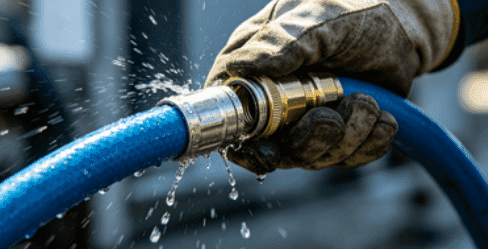
Quick connectors are designed for fast, secure, and leak-free hose connections. Each type serves specific industrial needs depending on pressure level, fluid type, and operating conditions.
Push-to-Connect Quick Hose Connector
A push-to-connect system allows hoses to be inserted directly into the fitting without additional tools. Internal locking mechanisms secure the connection instantly.
This type is widely used in pneumatic systems, water lines, and light hydraulic applications. It is valued for its simplicity and fast installation speed.
Key Advantage
- Extremely fast connection and disconnection
- Minimal operator training required
- Ideal for low to medium pressure systems
Threaded Lock Quick Hose Connector
Threaded connectors rely on mechanical tightening to secure the hose joint. They provide strong sealing performance and are widely used in hydraulic systems with higher pressure requirements.
This design ensures stability even under vibration and pressure fluctuations, making it suitable for heavy-duty environments.
Key Advantage
- High pressure resistance
- Strong mechanical sealing
- Suitable for industrial hydraulic systems
Camlock Quick Hose Connector
Camlock connectors use a lever-arm locking mechanism to secure hoses quickly without threading. They are widely used in fluid transfer industries such as chemicals, agriculture, and fuel handling.
They offer a balance between speed and reliability, making them one of the most popular industrial connector types.
Key Advantage
- Fast locking mechanism
- Suitable for bulk fluid transfer
- Easy to operate without tools
Flat-Face Hydraulic Quick Connector
Flat-face connectors are designed to minimize fluid leakage and air inclusion during connection and disconnection. They are commonly used in high-pressure hydraulic systems.
This design improves cleanliness and safety, especially in construction and mining machinery.
Key Advantage
- Minimal fluid leakage
- High safety in hydraulic systems
- Reduced contamination risk
Quick Hose Connector Materials and Performance Comparison
The material used in a quick hose connector directly affects durability, corrosion resistance, and pressure handling capability.
| Material | Strength | Corrosion Resistance | Common Use |
|---|---|---|---|
| Carbon Steel | High | Medium | Heavy machinery |
| Stainless Steel | Very High | Excellent | Chemical & marine systems |
| Brass | Medium | Good | Pneumatic & water systems |
| Aluminum | Low-Medium | Good | Lightweight applications |
Material Selection Concept
Corrosion Resistance Importance
In chemical or marine environments, corrosion resistance becomes a top priority. Stainless steel connectors are typically preferred for long-term reliability.
Strength vs Weight Balance
Some industries prioritize lightweight design for portability, while others require maximum strength for high-pressure operations.
How Quick Hose Connector Works in Real Applications
A quick hose connector functions through a locking and sealing mechanism that ensures fluid does not leak under pressure.
Sealing Mechanism Concept
The internal sealing system uses O-rings or metal-to-metal contact to prevent leakage. When the connector is engaged, pressure reinforces the seal automatically.
Locking Mechanism Concept
Mechanical locking systems vary depending on design, but most rely on:
- Spring-loaded locks
- Thread engagement
- Lever-actuated cams
These mechanisms ensure secure connection even under vibration or movement.
Quick Hose Connector vs Traditional Hose Fittings
Understanding the difference helps buyers choose the right solution for their system.
| Feature | Quick Hose Connector | Traditional Fitting |
|---|---|---|
| Installation Time | Seconds | Minutes |
| Tool Requirement | None or minimal | Required |
| Leakage Risk | Low | Medium |
| Maintenance Efficiency | High | Low |
| Cost | Higher initial | Lower initial |
Operational Efficiency Comparison
Quick connectors significantly reduce maintenance downtime, especially in systems requiring frequent hose replacement or inspection.
Cost Consideration Concept
Although traditional fittings may cost less initially, quick connectors often reduce long-term operational costs due to improved efficiency and reduced labor time.
Industrial Applications of Quick Hose Connector Systems
Quick connectors are widely used across multiple industries where fluid transfer efficiency is critical.
Construction Machinery Systems
In excavators, loaders, and cranes, quick connectors allow fast hydraulic line replacement during maintenance.
This reduces machine downtime and improves productivity on job sites.
Agricultural Equipment
Tractors and irrigation systems use quick connectors for water, fertilizer, and hydraulic fluid transfer.
Ease of use is essential in outdoor environments where maintenance tools may not always be available.
Manufacturing Automation
Automated production lines rely on quick connectors to support pneumatic and hydraulic systems.
They help maintain continuous production cycles with minimal interruption.
Chemical Processing Systems
Chemical plants use corrosion-resistant connectors to ensure safe transfer of reactive fluids.
Material selection is especially important in this environment.
Key Selection Factors for Quick Hose Connector
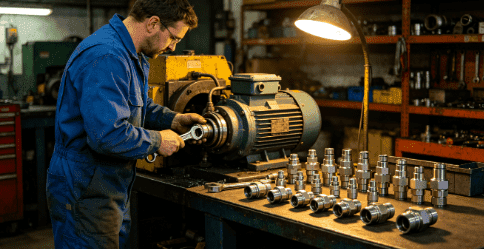
Choosing the right connector requires understanding system requirements and operating conditions.
Pressure Rating Requirement
Each connector type has a maximum pressure limit. Selecting the wrong rating can lead to system failure or leakage.
Fluid Compatibility Concept
Different fluids react differently with sealing materials. Chemical compatibility ensures long-term system stability.
Temperature Resistance
High-temperature environments require specialized sealing materials that maintain elasticity and sealing performance.
Connection Frequency
Systems requiring frequent disconnection benefit more from push-to-connect or camlock designs.
Conclusion
Quick connection systems have become an essential component of modern fluid transfer technology. Selecting the right quick hose connector depends on understanding pressure requirements, material compatibility, application environment, and connection frequency.
From push-to-connect systems to high-pressure flat-face hydraulic connectors, each type serves a specific industrial purpose. As industries continue to demand higher efficiency and reduced downtime, quick connectors will remain a key solution in hydraulic and pneumatic system design.
FAQ
What is a quick hose connector used for?
A quick hose connector is used to rapidly connect and disconnect fluid or gas hoses without tools, improving efficiency in industrial systems.
Which quick hose connector is best for high pressure?
Flat-face and threaded quick connectors are typically used in high-pressure hydraulic systems due to their strong sealing capability.
Are quick hose connectors reusable?
Yes, most industrial-grade connectors are designed for repeated use, provided they are properly maintained and inspected.
What industries use quick hose connectors the most?
They are widely used in construction, agriculture, manufacturing, chemical processing, and automotive systems.
How do I prevent leakage in quick hose connectors?
Proper installation, correct pressure rating selection, and regular maintenance of sealing components help prevent leakage.