Key Takeaways
- Learn what separates reliable hydraulic hose suppliers from low-quality manufacturers
- Understand the latest hydraulic hose standards and material technologies in 2026
- Compare PTFE hoses, rubber hoses, braided hoses, and thermoplastic hoses
- Discover how hydraulic hose failures impact industrial productivity and safety
- Explore real-world application cases across construction, mining, chemical processing, and manufacturing
- Review industry certifications, pressure ratings, and testing requirements
- Find practical buying tips for OEMs, distributors, and industrial buyers
- Understand how customized hydraulic hose assemblies improve efficiency and reduce downtime
Modern industrial systems depend heavily on hydraulic power. From excavators and loaders to CNC machinery, agricultural equipment, chemical transfer systems, and aerospace components, hydraulic hoses are responsible for carrying fluids under high pressure safely and efficiently. In 2026, buyers are no longer looking only for low prices. They are searching for hydraulic hose suppliers that can provide stable quality, fast delivery, strict testing standards, technical support, and long-term reliability.
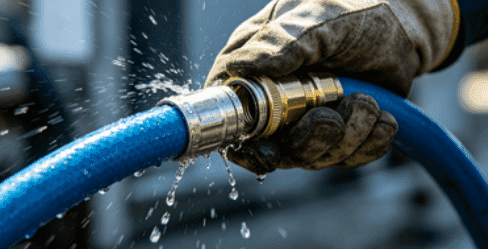
A failed hydraulic hose can shut down an entire production line within minutes. According to multiple industrial maintenance studies, unexpected hydraulic system downtime can cost manufacturers thousands of dollars per hour depending on the industry and production scale. Because of this, companies are paying closer attention to supplier qualifications, material quality, pressure ratings, and product traceability.
At the same time, industries are becoming more demanding. Equipment now operates under higher temperatures, higher pressures, and more corrosive conditions than before. Hydraulic hose suppliers must continuously improve materials, reinforcement structures, and manufacturing processes to meet evolving industrial requirements.
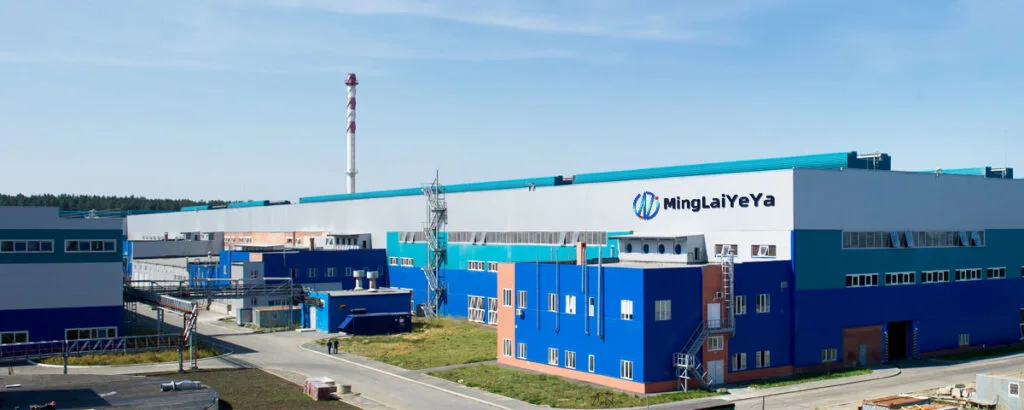
Companies such as Hebei Minglai Pipe Fitting Co., Ltd. focus on producing standard and non-standard hydraulic joints, PTFE tubing, rubber products, and hydraulic hose assemblies while implementing strict quality management systems and material testing procedures.
This guide explains how to identify trusted hydraulic hose suppliers in 2026 and what factors industrial buyers should evaluate before making a purchasing decision.
Table of Contents
The Growing Global Demand for Hydraulic Hose Suppliers

The hydraulic equipment market continues to expand globally due to infrastructure development, automation upgrades, mining expansion, renewable energy projects, and industrial modernization.
Construction Equipment Growth
Hydraulic systems are essential for:
- Excavators
- Wheel loaders
- Cranes
- Bulldozers
- Concrete pumps
- Road machinery
As developing regions continue investing in infrastructure projects, demand for reliable hydraulic hose suppliers increases significantly.
Industrial Automation Expansion
Manufacturing facilities increasingly rely on hydraulic automation systems because they provide:
- High force output
- Accurate movement control
- Stable operational performance
- Long service life
Factories now require hoses capable of operating continuously under demanding conditions with minimal maintenance.
Renewable Energy Applications
Hydraulic systems are also widely used in:
- Wind turbine pitch control systems
- Hydropower facilities
- Offshore engineering platforms
- Energy transfer systems
These industries require corrosion-resistant and pressure-resistant hose assemblies designed for harsh environments.
What Makes Hydraulic Hose Suppliers Reliable
Not all hydraulic hose suppliers operate at the same quality level. Buyers should evaluate suppliers based on multiple technical and operational criteria.
Material Selection Standards
The quality of raw materials directly affects hose lifespan, flexibility, and pressure resistance.
Reliable suppliers often use:
- High-grade synthetic rubber
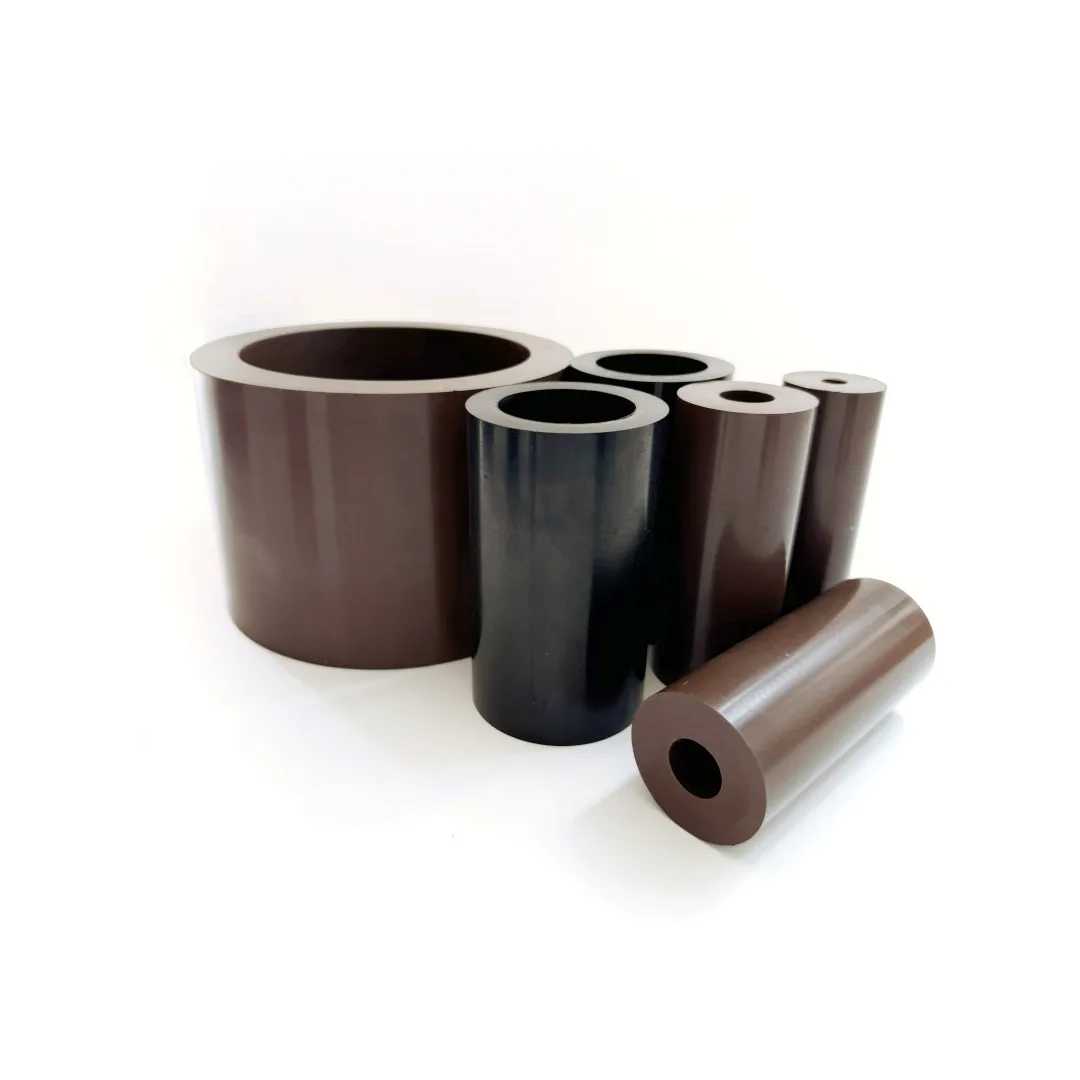
- Virgin PTFE resin
- Stainless steel braided reinforcement
- Aramid fiber reinforcement
- Heat-resistant compounds
Low-quality materials may crack prematurely, lose flexibility, or fail under pressure.
Pressure Resistance Performance
Hydraulic hoses must withstand constant and peak pressure loads safely.
Typical industrial pressure ranges include:
| Hose Type | Pressure Range |
|---|---|
| Low Pressure Hose | 150–300 psi |
| Medium Pressure Hose | 300–3000 psi |
| High Pressure Hose | 3000–6000 psi |
| Ultra High Pressure Hose | Above 6000 psi |
Trusted hydraulic hose suppliers conduct burst pressure testing, impulse testing, and leak testing before shipment.
Manufacturing Consistency
Consistent production quality is essential for industrial buyers managing large-scale equipment fleets.
Professional suppliers maintain:
- Automated production lines
- Batch traceability systems
- Dimensional inspection procedures
- Pressure testing laboratories
- Material certification records
Understanding Hydraulic Hose Construction
Industrial buyers should understand the basic structure of hydraulic hoses before selecting a supplier.
Inner Tube Layer
The inner tube carries hydraulic fluid and determines chemical compatibility.
Common materials include:
| Material | Main Advantage |
|---|---|
| Nitrile Rubber | Oil resistance |
| PTFE | Chemical resistance |
| EPDM | Heat resistance |
| Thermoplastic | Lightweight design |
Reinforcement Layer
This layer determines pressure resistance.
Common reinforcement materials include:
- Steel wire braid
- Spiral steel wire
- Textile reinforcement
- Aramid fiber
More reinforcement layers generally increase pressure capacity.
Outer Cover Layer
The outer layer protects against:
- Abrasion
- UV exposure
- Oil contamination
- Weathering
- Chemical splashes
High-quality outer covers significantly extend hose lifespan.
PTFE Hose Technology in 2026
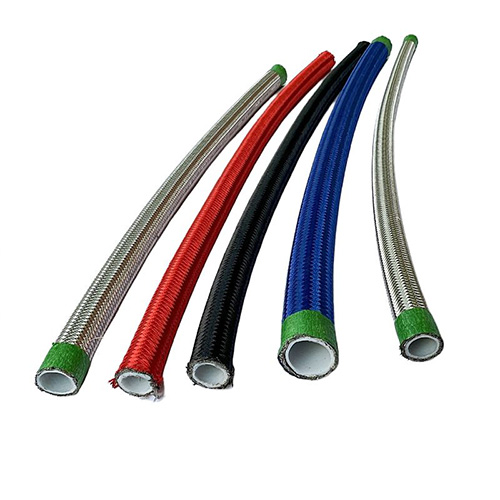
PTFE tubing has become increasingly popular due to its outstanding performance in demanding industrial applications.
High-Temperature Resistance
PTFE hoses can typically withstand:
- Continuous temperatures up to 260°C
- Steam applications around 250°C
- Extremely low temperatures without cracking
This makes PTFE ideal for:
- Chemical plants
- Pharmaceutical production
- Steam systems
- Food processing equipment
Corrosion Resistance
PTFE offers excellent resistance against:
- Acids
- Solvents
- Corrosive chemicals
- Industrial gases
Because of this, PTFE hoses are commonly used in laboratories and chemical transfer systems.
Lightweight and Flexible Design
Modern PTFE hose assemblies are engineered to reduce operator fatigue and improve installation flexibility.
For example:
- A 2-meter PTFE hose assembly may weigh approximately 500g
- Advanced braided structures prevent kinking
- Flexible routing improves system efficiency
PTFE Braided Hose Structure Explained
One of the most important innovations among hydraulic hose suppliers is the development of multi-layer braided PTFE hoses.
Stainless Steel Reinforcement
Japanese stainless steel double-buckle spiral reinforcement improves:
- Tensile strength
- Pressure resistance
- Abrasion resistance
Some advanced assemblies can withstand tensile forces up to 180kg.
Multi-Layer Protection Systems
Modern PTFE braided hoses may include:
- PTFE inner tube
- Stainless steel braid
- Aramid fiber reinforcement
- External protective spiral wrap
This design improves durability in harsh industrial environments.
Hydraulic Hose Standards Buyers Should Know
Reliable hydraulic hose suppliers comply with internationally recognized standards.
SAE Standards
The Society of Automotive Engineers establishes standards such as:
| Standard | Description |
|---|---|
| SAE 100R1 | Single wire braid hose |
| SAE 100R2 | Double wire braid hose |
| SAE 100R12 | High-pressure spiral hose |
| SAE 100R14 | PTFE hydraulic hose |
These standards define pressure ratings, dimensions, and testing requirements.
ISO Standards
ISO certifications help verify supplier quality systems.
Important certifications include:
- ISO 9001:2015
- ISO 14001:2015
- ISO 45001:2018
These certifications demonstrate manufacturing consistency and quality control.
EN Standards
European hydraulic systems often require compliance with EN standards for safety and performance.
Why Hydraulic Hose Failures Happen
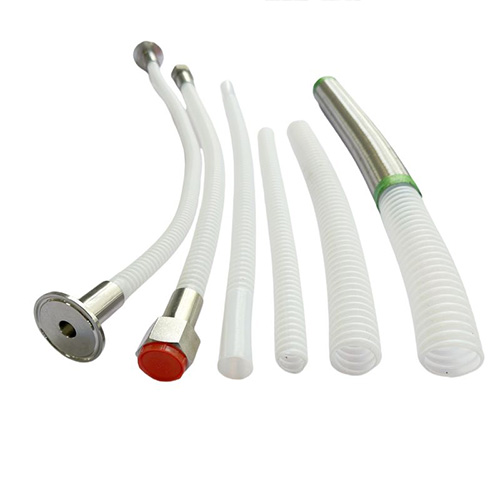
Understanding failure causes helps buyers choose better hydraulic hose suppliers.
Excessive Heat
High temperatures accelerate hose aging and reduce flexibility.
Symptoms include:
- Cracking
- Hardening
- Surface blistering
Improper Installation
Incorrect routing may cause:
- Twisting
- Abrasion
- Excessive bending radius
This significantly shortens hose lifespan.
Pressure Spikes
Hydraulic systems often experience pressure surges exceeding nominal operating pressure.
Poor-quality hoses may fail suddenly under these conditions.
Chemical Incompatibility
Using incompatible hose materials can lead to:
- Swelling
- Softening
- Internal tube degradation
PTFE hoses are preferred for chemically aggressive environments.
Industries That Depend on Hydraulic Hose Suppliers
Mining Industry
Mining equipment operates under extreme conditions involving:
- Abrasion
- Dust
- Heavy vibration
- High pressure
Mining companies require ultra-durable hose assemblies with reinforced outer covers.
Agriculture Industry
Modern agricultural equipment uses hydraulic systems for:
- Steering
- Lifting
- Harvesting
- Irrigation systems
Flexible and weather-resistant hoses are essential.
Aerospace Industry
Hydraulic hoses in aerospace systems require:
- Lightweight construction
- Precise pressure tolerance
- Strict quality certifications
Food Processing Industry
Food-grade PTFE hoses are commonly used because they:
- Resist contamination
- Handle high temperatures
- Provide smooth internal surfaces
Hydraulic Hose Suppliers and OEM Manufacturing
OEM buyers have different requirements compared to aftermarket buyers.
Stable Batch Consistency
OEM manufacturers require identical product performance across large production runs.
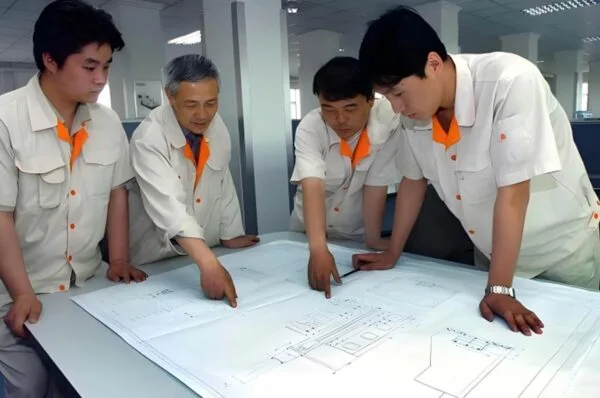
Technical Customization
Suppliers must provide:
- CAD drawings
- Custom fittings
- Specialized pressure ratings
- Unique assembly configurations
Long-Term Supply Stability
Reliable hydraulic hose suppliers maintain stable inventory systems and long-term production planning.
Comparing Rubber Hose and PTFE Hose
| Feature | Rubber Hose | PTFE Hose |
|---|---|---|
| Temperature Resistance | Moderate | Excellent |
| Chemical Resistance | Limited | Outstanding |
| Flexibility | Good | Very Good |
| Cost | Lower | Higher |
| Lifespan | Moderate | Long |
| Steam Compatibility | Limited | Excellent |
When Rubber Hose Is Preferred
Rubber hoses are widely used in:
- General construction equipment
- Standard hydraulic systems
- Cost-sensitive applications
When PTFE Hose Is Preferred
PTFE hoses are ideal for:
- Chemical transfer
- Pharmaceutical production
- High-temperature systems
- Corrosive environments
How Leading Hydraulic Hose Suppliers Improve Quality Control
Raw Material Inspection
Reliable suppliers inspect:
- Rubber compounds
- PTFE resin purity
- Steel wire quality
- Dimensional accuracy
Pressure Testing
Common testing methods include:
- Hydrostatic testing
- Burst testing
- Impulse cycle testing
Final Assembly Inspection
Finished hose assemblies undergo:
- Leakage inspection
- Crimping verification
- Surface inspection
- Packaging inspection
The Importance of Custom Hydraulic Hose Assemblies
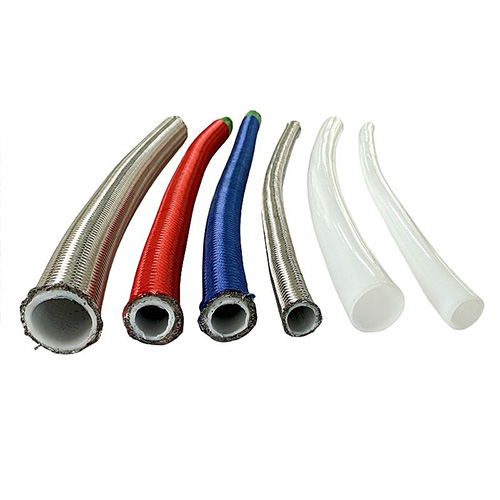
Customized hydraulic hose assemblies improve operational efficiency significantly.
Improved Equipment Compatibility
Custom lengths reduce:
- Excess hose movement
- Installation complexity
- Abrasion risks
Better Pressure Matching
Customized reinforcement structures optimize system performance.
Reduced Maintenance Costs
Correctly designed hose assemblies reduce premature failures and replacement frequency.
Emerging Trends Among Hydraulic Hose Suppliers in 2026
Smart Hydraulic Monitoring
Some advanced hose systems now integrate sensors that monitor:
- Pressure fluctuations
- Temperature changes
- Predictive maintenance data
Environmentally Friendly Materials
Suppliers increasingly focus on:
- Recyclable materials
- Reduced emissions manufacturing
- Eco-friendly rubber compounds
Faster Global Delivery Systems
Modern suppliers invest heavily in:
- Overseas warehouses
- ERP inventory systems
- Digital order tracking
Common Questions Buyers Ask Hydraulic Hose Suppliers
What pressure rating do I need?
Pressure rating depends on:
- Operating pressure
- Pressure spikes
- Safety factor requirements
Most suppliers recommend selecting hoses above actual working pressure.
Which hose is best for chemical resistance?
PTFE hoses are typically preferred because of their superior chemical stability.
How long should hydraulic hoses last?
Service life depends on:
- Operating conditions
- Installation quality
- Temperature exposure
- Maintenance practices
Properly maintained hoses may last several years.
Real Application Example: High-Temperature Steam Systems
A chemical processing facility required hoses capable of handling:
- 250°C internal steam
- Continuous pressure cycles
- Corrosive chemical exposure
Standard rubber hoses failed frequently.
After switching to reinforced PTFE braided hoses with stainless steel protection:
- Hose lifespan increased substantially
- Downtime decreased
- Maintenance costs dropped
This demonstrates the importance of choosing experienced hydraulic hose suppliers.
Hydraulic Hose Selection Checklist
Before purchasing, buyers should verify:
| Evaluation Point | Importance |
|---|---|
| ISO Certification | High |
| Pressure Rating | High |
| Temperature Resistance | High |
| Material Traceability | Medium |
| Delivery Time | Medium |
| Technical Support | High |
| Customization Ability | High |
Why Buyers Prefer Long-Term Supplier Partnerships
Industrial buyers increasingly prefer long-term cooperation with hydraulic hose suppliers because it improves:
- Product consistency
- Technical communication
- Pricing stability
- Inventory management
- Production planning
Long-term partnerships also help suppliers better understand customer equipment requirements.
FAQ
How can I identify high-quality hydraulic hose suppliers?
Look for suppliers with ISO certifications, advanced testing capabilities, and clear product traceability systems.
Are PTFE hoses better than rubber hoses?
PTFE hoses perform better in high-temperature and corrosive environments, while rubber hoses are more economical for standard hydraulic systems.
What industries use hydraulic hose assemblies most frequently?
Construction, mining, agriculture, manufacturing, chemical processing, aerospace, and energy industries all rely heavily on hydraulic hose systems.
Why do hydraulic hoses fail prematurely?
Common causes include excessive heat, improper installation, pressure spikes, abrasion, and poor material quality.
Can hydraulic hose suppliers provide custom solutions?
Yes. Many professional suppliers offer customized lengths, fittings, pressure ratings, and reinforcement structures for OEM and industrial applications.
What certifications should hydraulic hose suppliers have?
Common certifications include ISO 9001:2015, ISO 14001:2015, and ISO 45001:2018.
Conclusion
Choosing trusted hydraulic hose suppliers in 2026 requires more than comparing prices. Industrial buyers must evaluate material quality, pressure performance, testing standards, technical capabilities, and long-term reliability.
As hydraulic systems become more advanced, the demand for durable, flexible, and chemically resistant hose assemblies continues growing across multiple industries. PTFE braided hoses, customized hydraulic assemblies, and advanced quality control systems are shaping the future of the industry.
Reliable manufacturers such as Hebei Minglai Pipe Fitting Co., Ltd. continue investing in material technology, strict testing systems, and customized manufacturing solutions to meet modern industrial requirements.
For OEM manufacturers, distributors, contractors, and industrial equipment operators, working with experienced hydraulic hose suppliers is essential for improving safety, reducing downtime, and maintaining long-term operational efficiency.