Table of Contents
Introduction

Tubing fittings are critical components in industrial and hydraulic systems, ensuring leak-free connections and smooth fluid flow. Proper maintenance of tubing fittings not only prevents downtime and costly repairs but also extends their lifespan and enhances system safety.
This guide provides a comprehensive overview of tubing fittings maintenance, covering inspection, cleaning, replacement, and best practices to maximize performance in industrial, chemical, hydraulic, and pneumatic applications.
What Are Tubing Fittings?
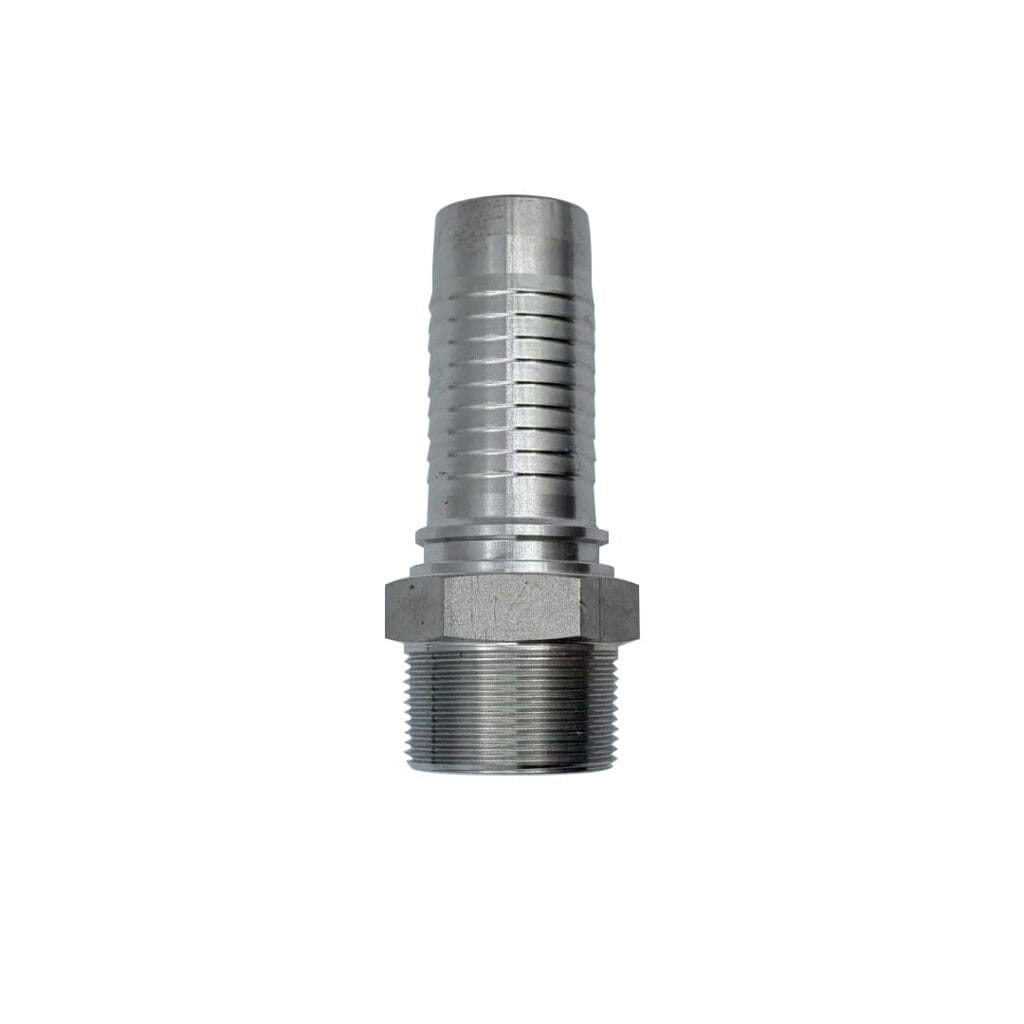
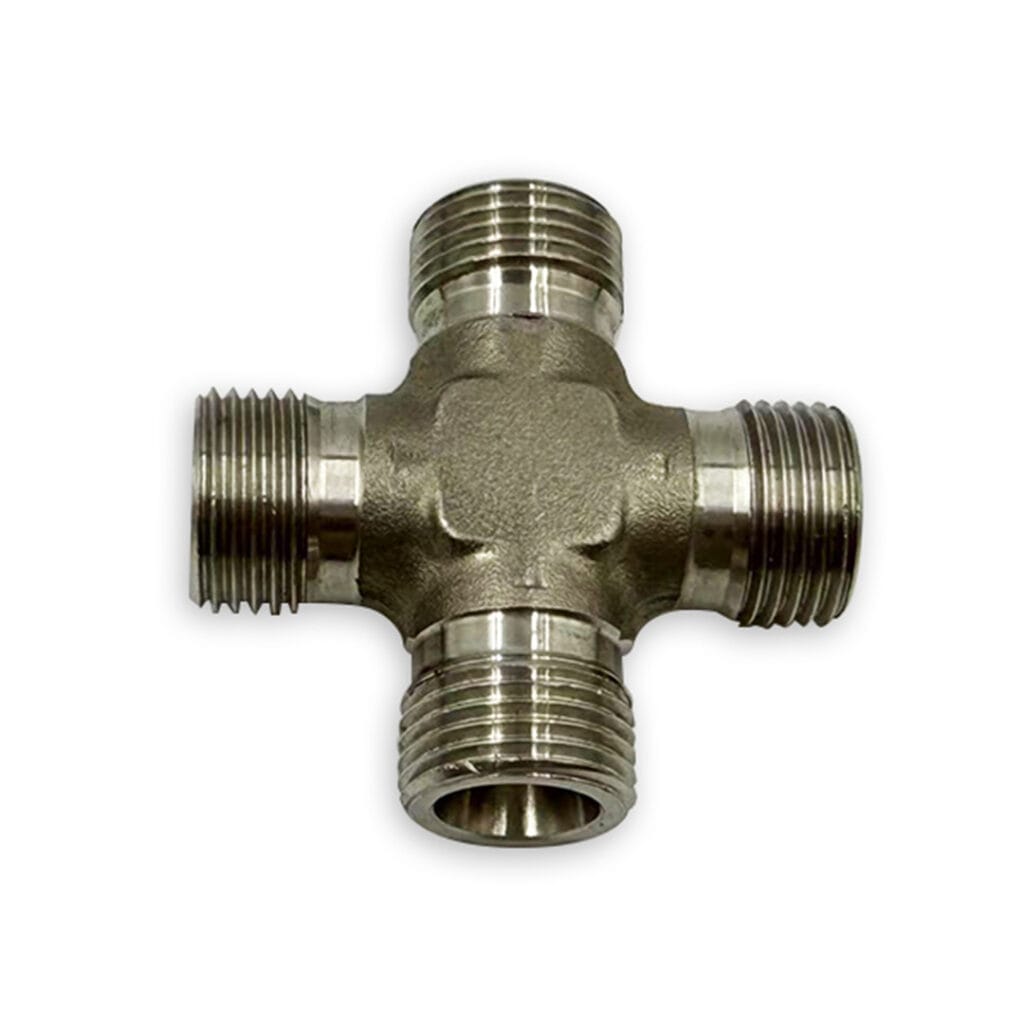
Tube connectors are connectors used to join sections of tubing or pipe. They ensure a secure, leak-free connection for liquids, gases, or hydraulic fluids.
Common types of tubing fittings include:
- Compression fittings
- Flare fittings
- Push-to-connect fittings
- Threaded fittings
- Swage fittings
High-quality tube connectors are made from stainless steel, brass, copper, or other corrosion-resistant materials to withstand high pressure and temperature.
Importance of Proper Maintenance
Regular maintenance of tube connectors is essential to:
- Prevent leaks and system failures
- Ensure optimal fluid or gas flow
- Extend the lifespan of the fittings and tubing
- Maintain compliance with safety and industry standards
- Reduce downtime and repair costs
Neglecting maintenance can lead to fluid leaks, corrosion, contamination, and system inefficiency.
Inspection of Tubing Fittings
Regular inspections are crucial for identifying wear and potential failure.
Inspection checklist:
- Look for signs of corrosion or rust
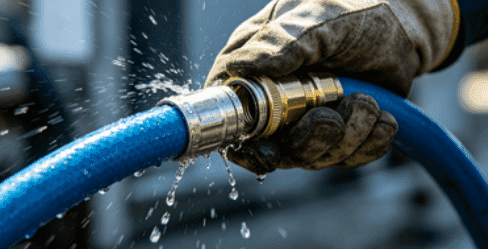
- Check for fluid or gas leaks
- Examine threads, flares, or compression seals
- Inspect tubing alignment and fitting tightness
- Assess for physical damage or deformation
Cleaning Tubing Fittings
Proper cleaning prevents contamination, corrosion, and blockages:
- Use appropriate solvents compatible with the fitting material
- Avoid abrasive cleaning tools that may scratch or damage surfaces
- Flush hydraulic or pneumatic systems to remove debris
- Wipe external surfaces to remove dirt, grease, or chemicals
Lubrication and Sealing
Lubrication improves assembly and prevents seizing:
- Apply approved thread sealant or PTFE tape for threaded fittings
- Use recommended lubricants for moving or swivel fittings
- Avoid over-lubrication, which can attract dirt or compromise sealing
Proper sealing ensures leak-free connections in high-pressure hydraulic, pneumatic, or chemical systems.
Tightening and Torque Guidelines
Over-tightening or under-tightening can damage fittings or cause leaks:
- Follow manufacturer torque specifications
- Use calibrated torque wrenches for precise tightening
- Ensure proper alignment of tubing to avoid stress on the fitting
Replacement Guidelines
Even with regular maintenance, tube connectors may require replacement due to:
- Corrosion or rust
- Cracks, deformation, or thread damage
- Persistent leaks
- Excessive wear from vibration or high pressure
Always replace fittings with compatible types and materials to maintain system integrity.
Comparison of Tubing Fittings Types, Materials, Pressure Ratings, and Maintenance Tips
| Fitting Type | Material | Pressure Range | Maintenance Tips | Common Applications |
|---|---|---|---|---|
| Compression Fittings | Stainless Steel, Brass | Up to 6000 psi | Check for leaks, tighten as specified, clean threads | Hydraulic systems, pneumatic lines |
| Flare Fittings | Brass, Stainless Steel | Up to 5000 psi | Inspect flared ends, avoid over-tightening | Gas lines, refrigeration, industrial tubing |
| Push-to-Connect Fittings | Plastic, Stainless Steel | Up to 150 psi | Ensure tubing insertion depth, clean debris | Low-pressure air and water lines |
| Threaded Fittings | Brass, Carbon Steel | Up to 3000 psi | Use PTFE tape, avoid cross-threading | Industrial fluid piping, machinery lines |
| Swage Fittings | Stainless Steel | Up to 7000 psi | Inspect for deformation, replace worn ferrules | High-pressure hydraulic and chemical lines |
Best Practices for Long-Term Performance
- Implement a routine inspection and maintenance schedule
- Keep spare fittings and tools on-site for quick replacement
- Train personnel in proper installation and maintenance procedures
- Document maintenance and replacement activities for system reliability
- Use high-quality tubing fittings from reputable manufacturers
Following these best practices ensures safe, efficient, and long-lasting performance.
Conclusion
Proper maintenance of tube connectors is essential for long-term performance, system safety, and cost efficiency. Regular inspection, cleaning, lubrication, proper tightening, and timely replacement prevent leaks, corrosion, and system failures. Following best practices ensures your tubing fittings and connected systems remain reliable and efficient.
FAQ
What are tubing fittings used for?
Tubing fittings connect sections of tubing or pipe, providing leak-free joints for fluids, gases, or hydraulic systems. They are essential in industrial, chemical, pneumatic, and hydraulic applications to maintain system efficiency and safety.
How do I maintain tube connectors?
Regular maintenance includes inspection for leaks, corrosion, and wear, cleaning debris, applying appropriate lubricants or sealants, and ensuring correct tightening. Proper maintenance extends the lifespan of tubing fittings and prevents costly system failures.
How often should tube connectors be inspected?
Inspection frequency depends on operating conditions, pressure, and environment. Typically, industrial and hydraulic systems should have tube connectors inspected every 3–6 months, or immediately if leaks, corrosion, or damage are suspected.
What causes tubing fittings to fail?
Tubing fittings may fail due to over-tightening, improper installation, corrosion, vibration, chemical exposure, or natural wear. Early detection and preventive maintenance reduce the risk of leaks, pressure loss, and system downtime.
Can tubing fittings be reused?
Some fittings can be reused if undamaged and properly cleaned, but compressed, corroded, or deformed fittings should always be replaced. Using high-quality replacement fittings ensures long-term system reliability and safety.
Need Help Choosing the Right Tubing Fittings?
If you’re unsure which tubing fittings are best for your system or project, our experts are here to help. Contact us today for a personalized consultation, and ensure your connections are secure, leak-free, and built for long-term performance. Don’t wait until leaks or failures disrupt operations—get in touch now to protect your system and maintain efficiency!