Key Takeaways in This Blog
- What DIN 2353 single ferrule fittings are and why they matter
- Common materials and specifications of DIN 2353 single ferrule fittings
- Applications across industries like hydraulic systems, petrochemical, and machinery
- Assembly techniques and best practices for leak-free connections
- Comparative analysis of single ferrule vs double ferrule fittings
- Maintenance tips and inspection protocols
- Standards compliance, pressure ratings, and performance benchmarks
- Real-world case studies showing reliability and safety improvements
- Emerging trends and innovations in single ferrule fittings
- FAQ addressing engineers’ and technicians’ common questions
Introduction
In high-pressure fluid systems, the reliability of your connections can make or break safety and performance. DIN 2353 single ferrule fittings have become an industry standard due to their compact design, strong sealing performance, and versatility in a wide range of applications. According to ISO 8434-1 standards, single ferrule fittings provide secure, high-pressure connections without requiring complex assembly tools. Industries from hydraulic machinery to petrochemical pipelines rely on these fittings for leak-free and efficient fluid transport.
A recent white paper by the International Fluid Power Society (IFPS, 2024) notes that improper fitting selection contributes to over 30% of hydraulic system failures. By understanding the construction, installation, and maintenance of DIN 2353 single ferrule fittings, engineers can significantly improve system reliability, reduce downtime, and enhance safety.
Table of Contents
What Are DIN 2353 Single Ferrule Fittings?

Concept of Single Ferrule Fittings
Single ferrule fittings use one compression sleeve (ferrule) that secures the tube in place and forms a tight seal when tightened.
The single ferrule design simplifies installation and is ideal for moderate to high-pressure applications.
Materials Used in DIN 2353 Single Ferrule Fittings
- Carbon Steel: High strength, suitable for general industrial hydraulic applications
- Stainless Steel: Corrosion-resistant, ideal for chemical or outdoor use
- Brass: Lightweight and non-corrosive, used in low-pressure applications
Advantages of Single Ferrule Systems
- Easier and faster to assemble than double ferrule fittings
- Compact design reduces installation space requirements
- Reliable sealing performance under rated pressure limits
Applications of DIN 2353 Single Ferrule Fittings
Hydraulic Systems
Used in mobile and industrial hydraulic machinery for secure fluid connections. Single ferrule fittings reduce the risk of leaks in medium-pressure pipelines.
Petrochemical and Process Industries
In chemical plants, stainless steel single ferrule fittings resist corrosion and handle high-pressure pipelines safely.
Machinery and Industrial Automation
Ensures tight, vibration-resistant connections for pneumatic and fluid transfer systems in automated machinery.
Assembly and Installation Tips
Cutting and Preparation
Always use tube cutting tools to avoid rough edges, which may compromise sealing. Deburr the ends before assembly.
Tightening Procedure
Follow manufacturer torque specifications carefully. Over-tightening can damage the ferrule, while under-tightening may cause leaks.
Checking for Leaks
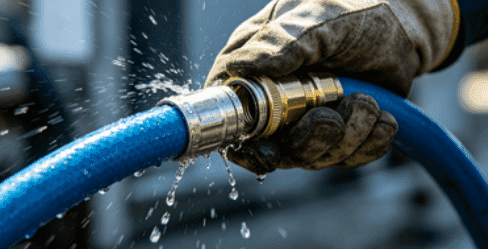
After installation, pressure test the system at working pressure. Check for micro-leaks using soap solution or ultrasonic detectors.
Comparative Analysis: Single vs Double Ferrule Fittings
| Feature | Single Ferrule Fittings | Double Ferrule Fittings |
|---|---|---|
| Ease of Installation | Faster and simpler | More complex, requires skill |
| Vibration Resistance | Moderate | Higher stability under vibration |
| Pressure Rating | Moderate to High | High to Very High |
| Reusability | Limited, careful removal needed | More reusable after disassembly |
| Cost | Lower | Higher |
Observation: Single ferrule fittings are ideal for medium-to-high-pressure applications where quick assembly and moderate vibration resistance are sufficient. Double ferrules offer extra security for extreme pressure or vibration scenarios.
Maintenance and Inspection
Routine Inspection
Check ferrules and fittings for cracks, corrosion, or thread damage every 3–6 months, depending on usage and environmental conditions.
Cleaning
Flush hydraulic lines and clean threads to prevent contamination, which could compromise the seal.
Replacement Guidelines
Replace worn or deformed ferrules immediately to maintain safety and system performance. Track usage hours and service life for preventive maintenance.
Standards and Compliance
ISO and DIN Standards
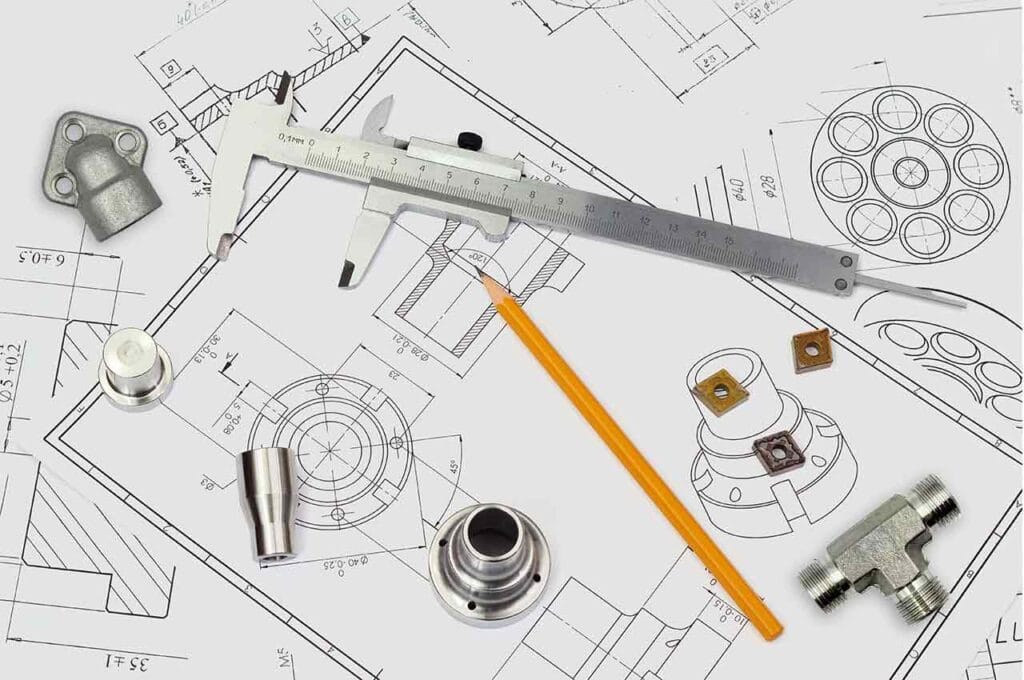
DIN 2353 single ferrule fittings comply with ISO 8434-1 standards for tube fittings, ensuring compatibility and pressure ratings across applications.
Pressure Ratings and Testing
Fittings are rated for specific pressures based on material and tube diameter. Typical carbon steel single ferrule fittings handle up to 420 bar at room temperature.
Case Studies and Real-World Applications
Hydraulic Excavators
Single ferrule fittings reduced assembly time by 20% while maintaining leak-free operation under 350 bar working pressure.
Chemical Plant Pipelines
Stainless steel single ferrule fittings maintained corrosion resistance and leak-free performance over 5 years in aggressive environments.
Industrial Automation
In factory automation, single ferrule fittings enabled faster machine assembly while reducing downtime caused by hydraulic leaks.
Emerging Trends and Innovations

Compact and Lightweight Designs
New fittings use optimized ferrule geometry for stronger seals with reduced material volume, saving space and weight.
High-Pressure Performance Improvements
Enhanced surface treatments and tighter tolerances allow single ferrule fittings to safely operate at higher pressures than earlier generations.
Integration with IoT Sensors
Emerging systems monitor pressure and detect leaks in real-time, allowing predictive maintenance for fluid systems.
FAQ
What is the main difference between DIN 2353 single and double ferrule fittings?
Single ferrule fittings use one sleeve for sealing; double ferrules provide extra grip and vibration resistance.
Can I reuse DIN 2353 single ferrule fittings?
Limited reuse is possible, but careful inspection is required before reassembly to avoid leaks.
What materials are best for corrosive environments?
Stainless steel is preferred for chemical, marine, and outdoor applications due to its corrosion resistance.
How do I ensure a leak-free installation?
Proper tube preparation, correct torque, and pressure testing are essential for a reliable seal.
Are single ferrule fittings suitable for high-pressure systems?
Yes, up to their rated pressure, typically medium-to-high applications. For extreme pressures, double ferrule fittings may be recommended.