Table of Contents
Key Takeaways of This Buying Guide
- Understand what 3/8 hydraulic fittings are and where they are used
- Learn key specifications that affect performance and compatibility
- Compare materials, thread types, and pressure ratings
- Identify common mistakes buyers make before purchasing
- Use a practical checklist to select the right fittings for your system
Introduction
Selecting the right hydraulic components is critical for system safety, efficiency, and long-term reliability. Among commonly used sizes, 3/8 hydraulic fittings are widely applied in industrial, agricultural, and mobile hydraulic systems. However, choosing the correct fitting involves more than just size—it requires an understanding of standards, materials, pressure limits, and application conditions.
This 3/8 hydraulic fittings buying guide breaks down the essential concepts buyers need to make confident purchasing decisions while avoiding costly mismatches or failures.
What Are 3/8 Hydraulic Fittings?
Definition and Basic Function
3/8 hydraulic fittings are connection components designed to join hydraulic hoses, tubes, pipes, or equipment ports in fluid power systems. The “3/8” designation usually refers to the nominal thread or hose size, not the outside diameter.
These fittings ensure a sealed, pressure-resistant connection that allows hydraulic fluid to flow efficiently between system components.
Why Size Accuracy Matters
Hydraulic systems depend on precise sizing. Even small deviations can lead to leaks, pressure loss, or premature wear. Properly matched fittings help maintain system integrity under continuous pressure and vibration.
Common Applications of 3/8 Hydraulic Fittings
Industrial Equipment
In manufacturing and processing plants, these fittings are often used in presses, injection systems, and automated machinery where consistent fluid flow is required.
Construction and Mobile Hydraulics
Excavators, loaders, and lifting equipment frequently rely on 3/8 connections for auxiliary hydraulic lines due to their balance of flow capacity and compact size.
Agricultural Machinery
Tractors, sprayers, and harvesters use them for hydraulic control systems that operate under varying environmental conditions.
Key Specifications to Check Before Buying
Thread Type Compatibility
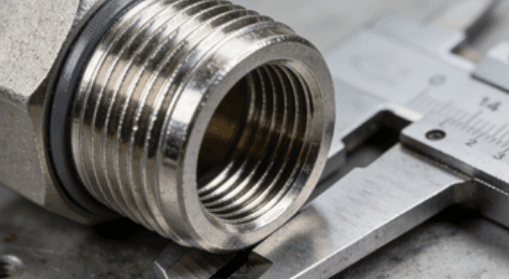
Thread standards determine whether a fitting will properly seal with another component.
Common Thread Standards
- NPT / NPTF
- BSPP / BSPT
- JIC (37° flare)
- ORFS (O-Ring Face Seal)
Choosing the wrong thread type is one of the most common causes of leakage in hydraulic systems.
Pressure Rating Considerations
Every hydraulic fitting has a maximum working pressure. Buyers should always select fittings with pressure ratings exceeding system operating pressure to ensure safety margins.
Flow Capacity and System Efficiency
The internal bore size affects fluid velocity and pressure drop. Undersized fittings may restrict flow, while oversized ones can complicate installation.
Material Options and Their Impact
Carbon Steel Fittings
Carbon steel is widely used due to its strength and affordability. It performs well in most standard hydraulic environments.
Stainless Steel Fittings
Stainless steel offers superior corrosion resistance, making it suitable for marine, chemical, or food-related hydraulic applications.
Brass Fittings
Brass is typically used in low-pressure hydraulic or pneumatic systems where corrosion resistance is needed but extreme strength is not.
Comparing Sealing Methods
Metal-to-Metal Sealing
This method relies on precision-machined surfaces. It is durable but requires accurate installation torque.
O-Ring Sealing Systems
O-ring seals provide excellent leak resistance and are easier to install correctly, especially in high-pressure applications.
3/8 Hydraulic Fittings Comparison Table
| Feature | Carbon Steel | Stainless Steel | Brass |
|---|---|---|---|
| Pressure Resistance | High | Very High | Moderate |
| Corrosion Resistance | Moderate | Excellent | Good |
| Cost Level | Low | High | Medium |
| Typical Applications | Industrial, mobile | Marine, chemical | Light-duty systems |
Installation Factors Buyers Often Overlook
Torque Requirements
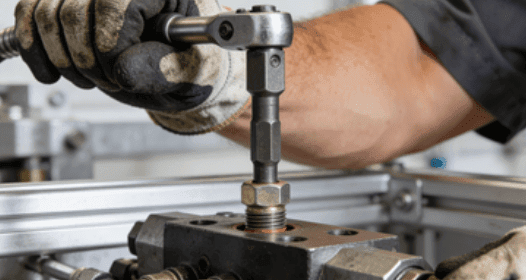
Over-tightening can damage threads or sealing surfaces, while under-tightening leads to leaks. Always follow manufacturer torque guidelines.
Vibration and Movement
In mobile equipment, vibration resistance is critical. Selecting fittings designed for dynamic loads improves system longevity.
Environmental Exposure
Temperature extremes, moisture, and chemicals all influence fitting material choice.
Common Buying Mistakes to Avoid
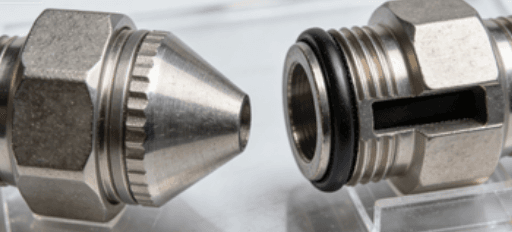
Assuming All 3/8 Sizes Are Identical
Different standards may share the same nominal size but are not interchangeable.
Ignoring System Pressure Spikes
Hydraulic systems often experience short pressure surges beyond normal operating levels.
Choosing Based on Price Alone
Lower-cost fittings may lack consistent tolerances, affecting sealing reliability over time.
How to Select the Right 3/8 Hydraulic Fittings
Step-by-Step Selection Logic
- Confirm thread standard and sealing type
- Verify pressure and temperature requirements
- Match material to environment
- Check compatibility with hose or tube type
This structured approach reduces risk and improves system performance.
Final Thoughts
Choosing the right 3/8 hydraulic fittings requires more than matching size—it demands an understanding of system pressure, sealing methods, materials, and real-world operating conditions. A well-informed purchasing decision improves safety, reduces downtime, and extends equipment lifespan.
By applying the principles outlined in this buying guide, buyers and engineers can confidently select fittings that meet both technical requirements and long-term performance expectations.
FAQ
What does 3/8 mean in hydraulic fittings?
It usually refers to the nominal thread or hose size, not the actual outside diameter of the fitting.
Are 3/8 hydraulic fittings suitable for high-pressure systems?
Yes, when selected with appropriate pressure ratings and materials, they can handle high-pressure applications reliably.
Can I mix different thread standards?
No. Mixing thread standards often causes leaks and connection failures.
How do I know which sealing type is best?
O-ring seals are preferred for high pressure and vibration, while metal-to-metal seals work well in stable installations.
Do stainless steel fittings last longer?
In corrosive environments, stainless steel fittings generally provide longer service life.