Table of Contents
Introduction

When selecting materials for industrial, construction, or manufacturing applications, 304 vs 316 stainless steel is one of the most common comparisons. Both are austenitic stainless steels known for corrosion resistance, durability, and versatility, but they differ in composition, performance, and ideal use cases.
Understanding the difference between 304 and 316 stainless steel helps engineers, buyers, and manufacturers choose the right material for long-term reliability and cost efficiency.
What is 304 Stainless Steel?
304 stainless steel is one of the most widely used stainless steel grades. It contains approximately 18% chromium and 8% nickel, offering excellent corrosion resistance in general environments.
Key characteristics:
- Good corrosion resistance in normal conditions
- Excellent formability and weldability
- Cost-effective compared to higher grades
- Suitable for indoor and mild outdoor environments
It is commonly used in kitchen equipment, structural components, and general industrial applications.
What is 316 Stainless Steel?
316 stainless steel is an upgraded version of 304, with added molybdenum (2–3%) for enhanced corrosion resistance, especially in harsh environments.
Key characteristics:
- Superior resistance to chlorides and saltwater
- Higher durability in chemical environments
- Better performance in marine and coastal applications
- Slightly higher cost than 304 stainless steel
It is widely used in marine engineering, chemical processing, and medical equipment.
304 vs 316 Stainless Steel: Key Differences
| Feature | 304 Stainless Steel | 316 Stainless Steel |
|---|---|---|
| Composition | 18% Cr, 8% Ni | 16% Cr, 10% Ni + Mo |
| Corrosion Resistance | Good | Excellent (especially chlorides) |
| Cost | Lower | Higher |
| Strength | Standard | Slightly higher durability |
| Best Use | General applications | Harsh environments |
Performance Comparison
Corrosion Resistance
316 stainless steel performs significantly better in saltwater and chemical exposure due to molybdenum content, while 304 is suitable for standard environments.
Strength and Durability
Both grades offer strong mechanical properties, but 316 provides improved long-term durability in aggressive conditions.
Cost Efficiency
304 is more cost-effective, making it ideal for large-scale projects where extreme corrosion resistance is not required.
Applications of 304 Stainless Steel
- Kitchen appliances and cookware
- Architectural structures
- Food processing equipment
- Indoor industrial components
- Storage tanks and piping systems
Applications of 316 Stainless Steel
- Marine and offshore structures
- Chemical processing equipment
- Medical and pharmaceutical devices
- Coastal construction projects
- High-corrosion industrial environments
How to Choose Between 304 and 316 Stainless Steel
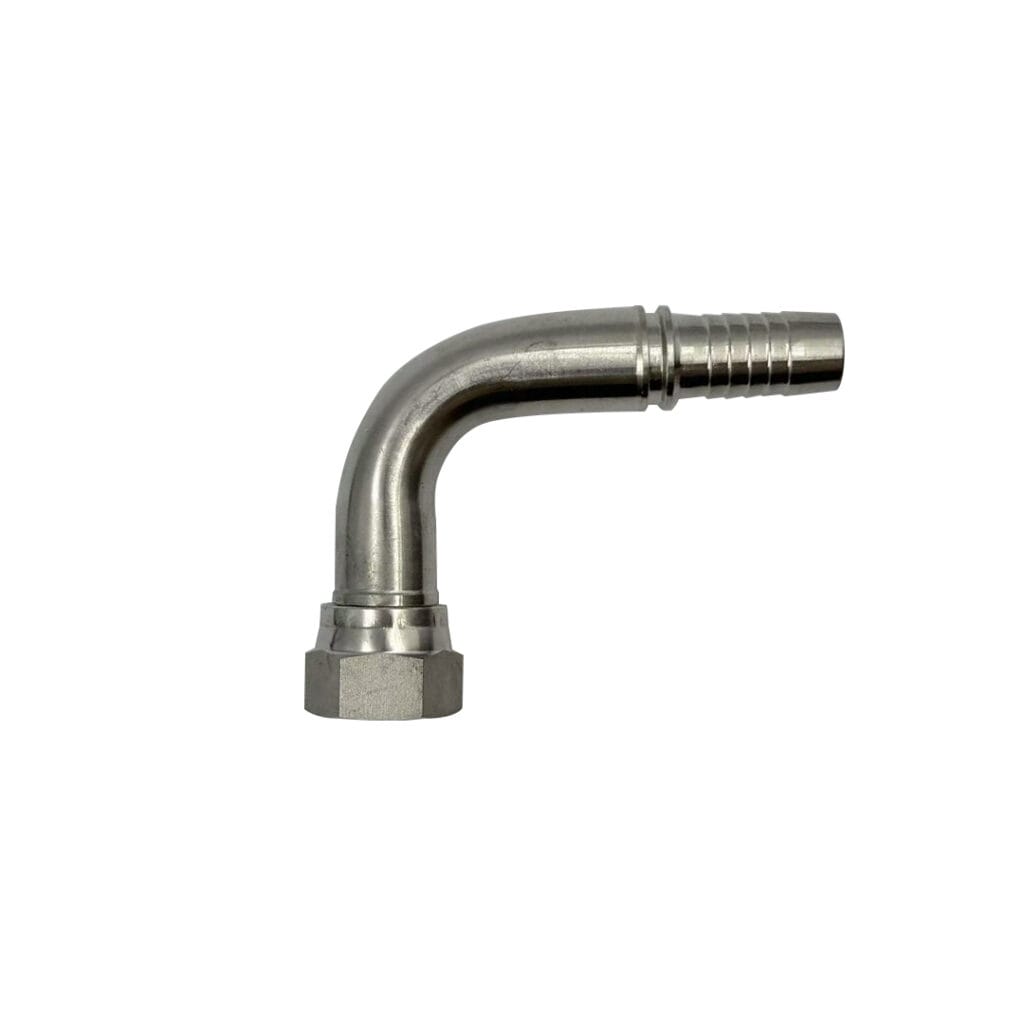
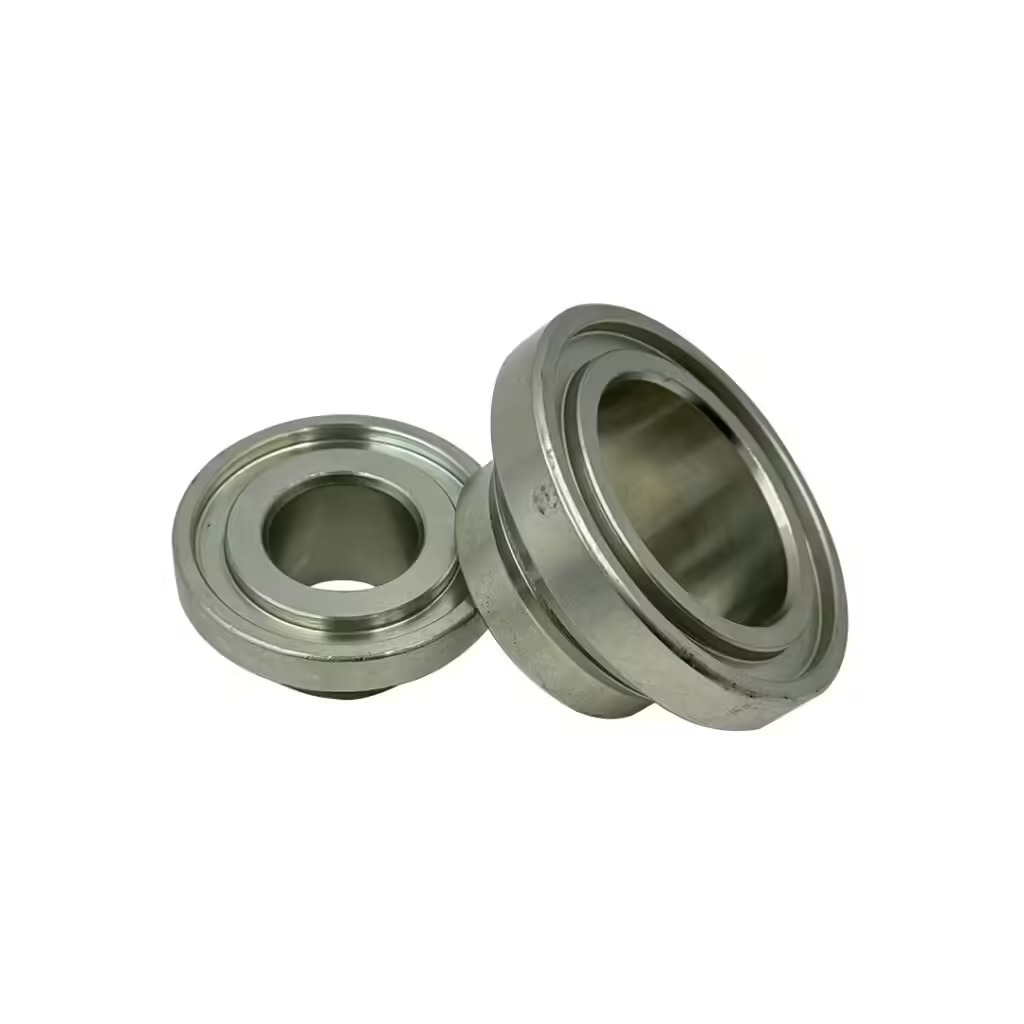
When selecting between 304 vs 316 stainless steel, consider:
- Environmental exposure (dry vs corrosive conditions)
- Budget constraints
- Required lifespan of the product
- Exposure to chemicals or saltwater
- Industry standards and compliance requirements
If corrosion resistance is critical, 316 is the better choice. For general use, 304 offers a cost-effective solution.
Conclusion
The comparison between 304 vs 316 stainless steel comes down to environment and application needs. While both materials offer excellent strength and corrosion resistance, 316 stainless steel provides superior performance in harsh or marine conditions, whereas 304 remains the most economical and widely used option for general applications. Choosing the right grade ensures better durability, performance, and long-term cost efficiency.
FAQ
What is the main difference between 304 and 316 stainless steel?
The main difference is the addition of molybdenum in 316 stainless steel, which significantly improves corrosion resistance, especially against chlorides and saltwater. 304 is suitable for general environments, while 316 is designed for harsher chemical and marine conditions.
Which is better, 304 or 316 stainless steel?
Neither is universally better; it depends on application. 316 is better for corrosive environments like marine or chemical processing, while 304 is more cost-effective and widely used in food equipment, construction, and indoor applications with normal exposure conditions.
Is 316 stainless steel more expensive than 304?
Yes, 316 stainless steel is generally more expensive due to its higher nickel content and the addition of molybdenum. The price difference is justified in applications requiring higher corrosion resistance and longer service life.
Can 304 stainless steel be used outdoors?
Yes, 304 stainless steel can be used outdoors in mild environments. However, in coastal or high-salt conditions, it may corrode faster than 316. For long-term outdoor exposure in harsh climates, 316 is usually recommended.
Where is 316 stainless steel commonly used?
316 stainless steel is commonly used in marine equipment, chemical processing systems, medical devices, and coastal construction projects due to its superior resistance to corrosion and chemical exposure.
Need Help Choosing Between 304 and 316 Stainless Steel?
If you’re unsure which stainless steel grade is right for your project, environment, or budget, our experts are here to help. Contact us today for professional guidance and ensure you select the most suitable material for long-term performance, durability, and cost efficiency. Don’t compromise on quality—make the right choice today!