Table of Contents
Introduction
Hydraulic systems are the backbone of modern industrial machinery, construction equipment, and automated production lines. One small component—like a hydraulic crimp fitting—can make or break system reliability. In fact, industry reports show that over 35% of hydraulic system failures originate from improper fittings or hose connections.
This blog dives deep into the six most common hydraulic crimp fitting problems, explaining causes, impacts, preventive strategies, and expert recommendations. By the end, you’ll not only understand what goes wrong with hydraulic crimp fittings, but also how to select, install, and maintain them for peak performance, safety, and cost-efficiency.
What You’ll Learn in This Blog
Here’s a detailed roadmap of what we cover:
- Key hydraulic crimp fitting problems and their root causes
- How each problem affects system efficiency, pressure handling, and safety
- Expert insights from hydraulic engineers and industry specialists
- Material and fluid compatibility considerations
- Comparative analysis of crimp fitting types and tools
- Real-world performance data and failure statistics
- Preventive maintenance tips and best practices
- FAQs addressing common user questions in natural language
Understanding Hydraulic Crimp Fitting Problems
Hydraulic crimp fittings are designed to provide secure, leak-proof connections under high pressure. But even minor errors during installation or material selection can lead to serious operational failures. Here are the top six issues engineers face.
1. Leakage Due to Improper Crimping
Concept
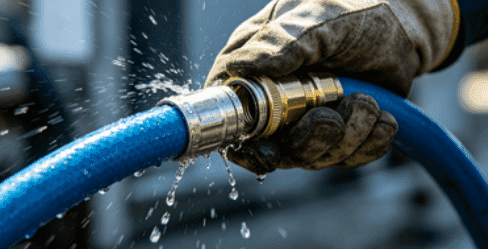
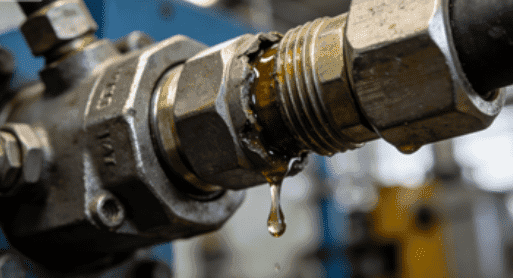
Leakage occurs when a hydraulic crimp fitting is not compressed uniformly or with correct pressure, leading to fluid escaping at the joint.
Data Insight
- According to a study by the Fluid Power Research Institute, improper crimping accounts for 40% of hydraulic hose failures in industrial plants.
- Leak rates can vary from 0.5 to 5 liters per hour, depending on system pressure (up to 3000 psi).
Causes
- Incorrect crimp tool calibration
- Uneven crimp along the fitting sleeve
- Hose diameter mismatch with fitting
Impact
Leaks reduce system efficiency, risk environmental contamination, and create safety hazards for personnel.
Prevention Tips
- Use a calibrated crimping machine per manufacturer specifications
- Conduct post-crimp inspection using calipers or micrometers
- Avoid manual crimping or DIY alternatives for high-pressure lines
2. Hose Slippage or Pull-Out
Concept
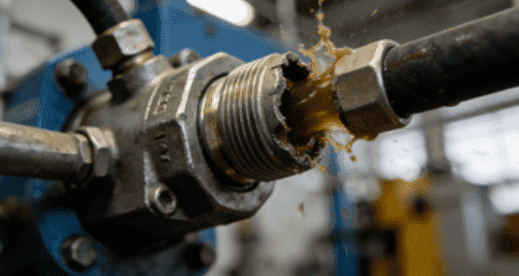
Hoses can slip out of fittings if crimping is insufficient or hoses are incompatible with the fitting type.
Data Insight
- In heavy machinery, hose pull-out incidents account for 22% of unexpected hydraulic downtime.
- Pull-out force can exceed 2,500 N in high-pressure systems if crimping is improper.
Causes
- Insufficient crimp diameter
- Incorrect hose-to-fitting match
- High vibration or frequent pressure spikes
Impact
Unsecured hoses can lead to sudden loss of hydraulic power, equipment downtime, and potential injury.
Prevention Tips
- Verify hose size and material compatibility
- Use high-quality crimp tools with adjustable settings
- Consider strain relief or mechanical supports in high-vibration zones
3. Crimp Collar Deformation
Concept
Crimp collars deform due to incorrect crimping force or misalignment during installation.
Data Insight
- Manufacturer testing shows that over-crimping can reduce collar thickness by 10–15%, weakening the connection.
- Under-crimping allows microscopic gaps that grow under pressure, resulting in eventual failure.
Causes
- Misaligned crimping dies
- Excessive or insufficient crimp force
- Poor-quality fittings with inconsistent wall thickness
Impact
Deformed collars compromise system integrity, increase vibration, and shorten component life.
Prevention Tips
- Follow tool manufacturer calibration guides
- Inspect crimp profiles visually and with gauges
- Replace worn or damaged dies regularly
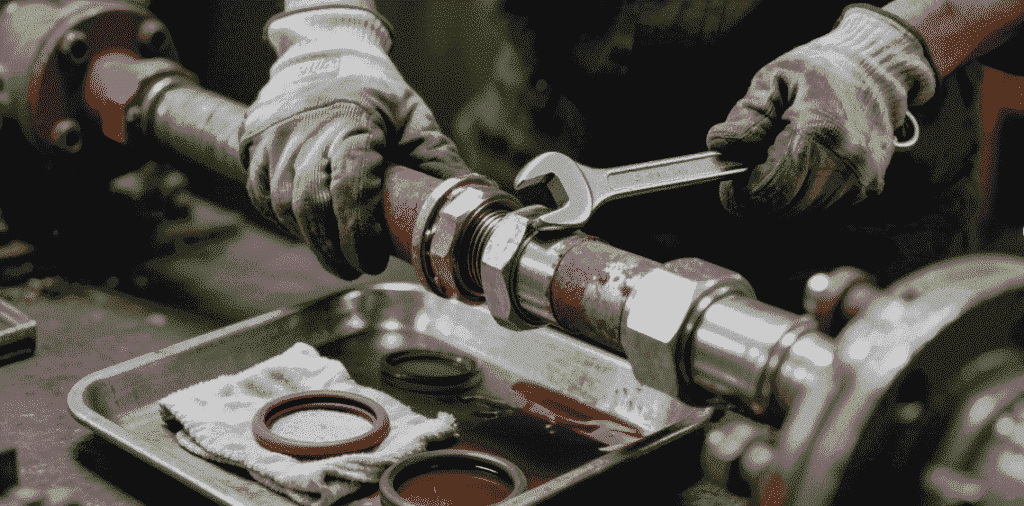
4. Corrosion and Material Wear
Concept
Hydraulic fittings exposed to harsh environmental conditions can corrode or wear, affecting sealing and pressure containment.
Data Insight
- Stainless steel fittings last 5–7 times longer in corrosive environments than zinc-plated alternatives.
- Hydraulic systems in saltwater or chemical plants report 25–30% faster fitting degradation without corrosion-resistant materials.
Causes
- Exposure to moisture, chemicals, or abrasive particles
- Low-quality material selection
- Lack of protective coatings or maintenance
Impact
- Weakened fittings increase the risk of leaks and catastrophic failures
- Replacement costs and downtime can exceed $10,000 per incident in industrial plants
Prevention Tips
- Choose materials compatible with the environment (stainless steel, brass, zinc-plated)
- Apply protective coatings or sealants where necessary
- Implement routine inspection and cleaning protocols
5. Incompatibility with Hydraulic Fluid
Concept
Certain fittings and hoses are incompatible with specific hydraulic fluids, leading to degradation, swelling, or leaks.
Data Insight
- Nitrile hoses degrade rapidly in phosphate ester fluids, reducing lifespan by up to 50%.
- Compatibility checks are often overlooked, leading to unexpected system failures within 6–12 months.
Causes
- Material incompatibility with fluid chemistry
- Improper seals or O-rings
- Failure to consult manufacturer specifications
Impact
- Fluid leaks, pressure drops, and unexpected downtime
- Accelerated wear of hoses and fittings
Prevention Tips
- Always check chemical compatibility charts
- Use high-quality seals designed for specific fluid types
- Educate maintenance teams about fluid and fitting interactions
6. Thermal Expansion Issues
Concept
Hydraulic systems generate heat during operation, causing hoses and fittings to expand. Improper allowances can loosen crimps over time.
Data Insight
- Continuous operation at 80–100°C can increase hose length by 0.5–1.5%, stressing crimped fittings.
- Thermal fatigue contributes to 12–15% of long-term fitting failures in industrial CNC and construction hydraulics.
Causes
- No allowance for thermal growth
- Low-temperature-rated hoses in high-heat applications
- Repeated pressure and temperature cycles
Impact
- Gradual loosening of crimped connections
- Increased risk of leaks and pressure loss
Prevention Tips
- Use hoses and fittings rated for operating temperature
- Allow for thermal expansion in layout design
- Monitor temperature and perform preventive replacement
Expert Insights on Hydraulic Crimp Fitting Reliability
Dr. Mark Evans, Senior Hydraulic Engineer
“Proper crimping is often underestimated. Even minor misalignment or incorrect crimp pressure can reduce system lifespan by years. High-quality tools and material selection are critical.”
Lisa Chen, Fluid Power Specialist
“Selecting the right hydraulic crimp fitting is not just about pressure rating. Environmental conditions, fluid type, vibration, and thermal cycles all determine whether a fitting will succeed or fail.”
Comparative Analysis: Choosing the Right Fitting
| Feature | Stainless Steel | Zinc-Plated | Brass |
|---|---|---|---|
| Corrosion Resistance | High | Medium | Low |
| Cost | Higher | Medium | Medium |
| Pressure Rating | Up to 6,000 psi | Up to 4,500 psi | Up to 3,500 psi |
| Environmental Use | Harsh, industrial | General industrial | Low-pressure applications |
| Longevity | 7–10 years | 3–5 years | 2–4 years |
Tip: Compare material properties, cost, and operating environment to select the optimal fitting.
Installation & Maintenance Best Practices
- Calibrate crimp tools regularly to ensure consistent force
- Inspect hoses and fittings before installation
- Match hose and fluid compatibility according to charts
- Perform routine inspections every 3–6 months
- Document maintenance to track performance trends
Final Thoughts
Hydraulic crimp fittings may seem like a small component, but their performance is critical for system safety, efficiency, and longevity. Understanding the six main problems, selecting compatible materials, using calibrated crimp tools, and performing regular maintenance can significantly reduce failures and operational costs.
By combining expert insight, real-world data, and best practices, engineers can ensure that hydraulic crimp fittings contribute to reliable, high-performance hydraulic systems across industrial, construction, and manufacturing applications.
FAQ
Q1: How do I know if my crimp fitting is installed correctly?
Check crimp diameter with a gauge and inspect collar uniformity visually. Proper crimped fittings should match manufacturer specifications exactly.
Q2: Can I reuse hydraulic crimp fittings?
No. Reuse can compromise integrity and pressure handling, creating safety hazards.
Q3: What causes most hydraulic fitting failures?
Incorrect crimping, incompatible fluid, environmental corrosion, and thermal expansion are the leading causes.
Q4: How long does a properly crimped fitting last?
With correct installation and maintenance, fittings last 5–10 years depending on pressure, temperature, and environment.
Q5: Are stainless steel fittings always better than zinc-plated?
Not necessarily. Stainless steel excels in corrosive environments, but zinc-plated fittings are sufficient and cost-effective in standard industrial settings.
Q6: How often should I inspect hydraulic crimp fittings?
Inspect every 3–6 months or before high-pressure operation cycles. Vibration-heavy or high-heat systems may require more frequent checks.