Table of Contents
Introduction
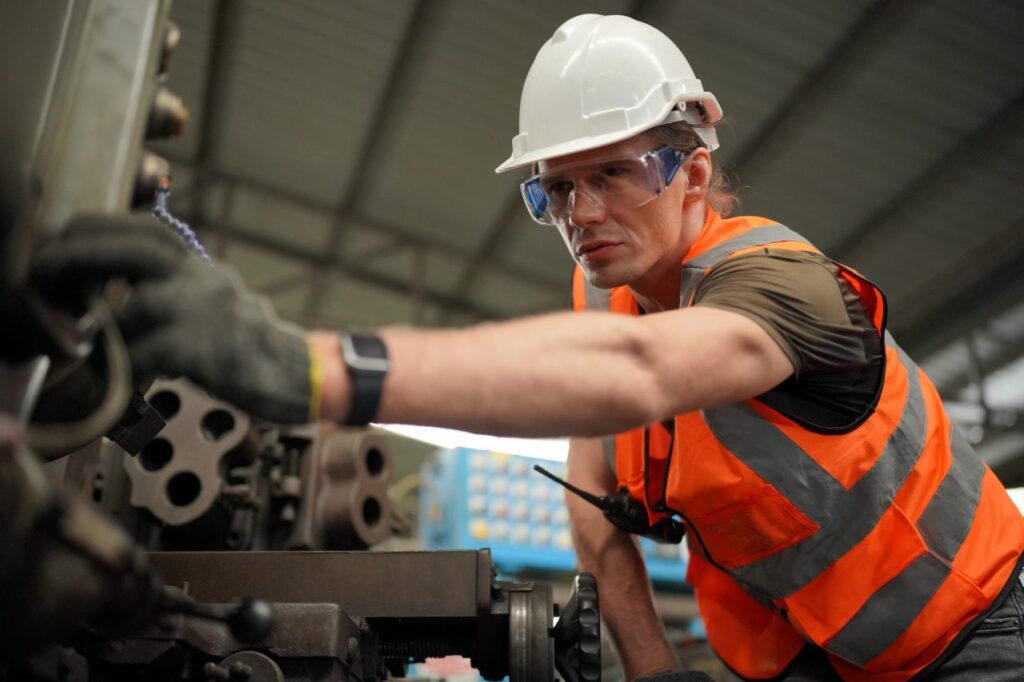
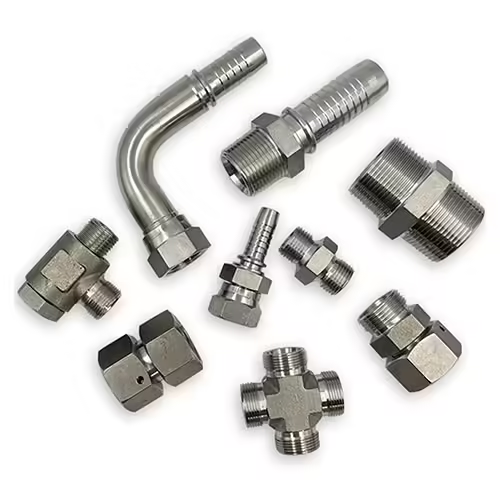
In modern hydraulic systems, the quality and compatibility of fittings are crucial for ensuring safe and efficient operation. Whether you’re working with industrial machinery, mobile equipment, or fluid transfer systems, choosing the right fittings can make or break performance. Among the many components of a hydraulic setup, the types of fittings hydraulic technicians rely on play an especially critical role in connecting various parts securely and sealing fluid under high pressure.
This article explores six popular types of fittings hydraulic professionals commonly use, their applications, advantages, and considerations. If you’re in the process of designing or maintaining a hydraulic system, understanding these fitting types will help optimize reliability, safety, and cost-efficiency.
Flared Pipe Joint: A Versatile Option for Low to Medium Pressure Systems
One of the most frequently used types of fittings hydraulic systems incorporate is the flared pipe joint. Known for its simple design and effectiveness, this fitting is ideal for joining copper pipes, thin-walled steel pipes, plastic pipes, and nylon tubes.
Flared fittings are especially beneficial in medium and low-pressure applications. They rely on a flaring process where the pipe end is widened to fit snugly against a corresponding seat. Once tightened, the connection provides a reliable seal that resists leakage.
Technicians often prefer this fitting because it’s easy to assemble, requires minimal tools, and is reusable. It’s widely applied in HVAC systems, automotive lines, and laboratory equipment.
Welded Pipe Joint: A Durable Choice for High-Pressure Applications
Among the most robust types of fittings hydraulic experts use, the welded pipe joint stands out. As the name suggests, this fitting involves welding the pipe directly to the inner core of the fitting, creating a permanent and highly pressure-resistant connection.
This type of joint offers several benefits:
- Exceptional sealing capacity
- High structural strength
- Minimal risk of fluid leakage
However, it does come with a few challenges. Welding requires skilled labor, appropriate equipment, and results in a non-removable connection. Therefore, while highly durable, these types of fittings hydraulic are not ideal for systems that require frequent maintenance or reconfiguration.
They’re most commonly found in heavy machinery, construction equipment, and permanent installations in industrial settings where reliability and high performance are essential.
Welded joints are particularly advantageous when a leak-proof connection is critical and the system is not subject to frequent changes. When installed correctly, these types of fittings hydraulic can last for years with minimal maintenance, offering long-term cost savings despite higher upfront installation costs.
Card Sleeve Pipe Joint: High-Pressure Reliability with Simple Design

Card sleeve pipe joints, or ferrule fittings, are essential in high-pressure hydraulic applications. This type of connection uses an elastic card sleeve to grip and seal around a high-pressure cold-drawn seamless steel pipe.
What makes this one of the top types of fittings hydraulic systems rely on is its balance of reliability and ease of use. The assembly does not require welding or flaring; instead, the pipe is inserted into the fitting, and a nut compresses the card sleeve to form a tight seal.
These types of fittings hydraulic are ideal for mobile hydraulic equipment, industrial automation, and hydraulic presses, offering excellent vibration resistance and reusability.
They also allow for relatively easy disassembly when needed, making them a cost-effective option among types of fittings hydraulic for applications that require occasional maintenance or reconfiguration without sacrificing pressure integrity.
Crimp Pipe Joint: Efficient Hose Connections for Versatility
Crimp pipe joints are widely used in hydraulic hose applications. These types of fittings hydraulic consist of two primary components: the fitting jacket and the fitting core. A crimping tool is used to compress the jacket onto the hose, securing the core within.
This method provides a tight, leak-proof connection that’s suitable for a wide range of pressures and hose types. The assembly process is fast and repeatable, making crimp fittings a favorite in large-scale production and maintenance operations.
They are especially valuable in mobile machinery, agriculture, and transport equipment where flexible hose routing is essential. Because of their speed of assembly and reliability, crimp pipe joints are often found in fleet maintenance centers, factory lines, and equipment rental businesses that prioritize quick turnaround times.
Crimped connections also reduce the likelihood of human error, ensuring consistency across multiple installations and minimizing service downtime—an important advantage among the various types of fittings hydraulic.
TABLE: Comparative Overview of 6 Types of Fittings Hydraulic Systems Use
| Fitting Type | Application Pressure | Installation Complexity | Reusability | Typical Use Cases |
|---|---|---|---|---|
| Flared Pipe Joint | Low to Medium | Easy | High | HVAC, automotive, lab equipment |
| Welded Pipe Joint | High | High | Low | Construction, permanent installations |
| Card Sleeve Pipe Joint | High | Medium | Medium | Mobile machinery, automation |
| Crimp Pipe Joint | Medium to High | Medium | Medium | Hose systems, transport, agriculture |
| Removable Pipe Joint | High | Low | High | Maintenance-intensive, small-diameter hoses |
| Quick-Change Pipe Joint | Medium to High | High | High | Gas and oil pipelines |
Removable Pipe Joint: Convenience Without Compromise
Removable pipe joints offer significant value in systems requiring regular assembly and disassembly. These fittings are engineered to allow quick hose changes without compromising seal integrity or performance.
Particularly useful for high-pressure, small-diameter hose applications, these fittings save time and reduce wear caused by frequent reconfigurations. Their modular design and simplicity make them popular in testing setups, temporary hydraulic systems, and maintenance-intensive environments where access and replacement speed are priorities.
Although these are not the most structurally robust fittings, they offer a balance of strength and flexibility when routine access is required. Their construction allows for repeated use and easy replacement, making them a practical choice for dynamic applications.
Quick-Change Pipe Joint: Complex but Highly Functional

Rounding out the list of essential types of fittings hydraulic experts endorse is the quick-change pipe joint. While this fitting type is more complex in structure, it allows rapid connection and disconnection of hydraulic lines—often without the need for tools or shutting down the system.
These fittings are especially useful in systems where fluid lines must be disconnected and reconnected frequently, such as in testing environments, mobile hydraulic platforms, and dual-fluid systems involving oil and gas.
Their advanced sealing mechanisms and robust construction ensure minimal fluid loss and maintain pressure integrity, even after multiple cycles of use. Many feature locking systems and dust protection caps, ensuring safe operation and long-term durability.
Whether you’re aiming for speed, safety, or operational efficiency, quick-change joints represent a high-tech solution that meets the evolving needs of hydraulic system designs.
Conclusion
In hydraulic engineering, no one fitting type suits all applications. The right choice depends on various factors including pressure, reusability, installation constraints, and system mobility. Understanding the core types of fittings hydraulic setups require—such as flared joints, welded fittings, and crimp styles—empowers technicians to make informed decisions.
Whether you’re upgrading a system or building one from scratch, selecting the correct hydraulic fittings will enhance performance, reduce downtime, and ensure compliance with industry standards.
To take your hydraulic operations to the next level, consider partnering with experienced equipment suppliers and investing in quality tools that match the fittings you’re using.
FAQ
What are the most commonly used types of fittings hydraulic systems utilize?
The most commonly used types of fittings in hydraulic systems include flared pipe joints, crimp pipe joints, and card sleeve joints. These fittings are favored primarily because of their straightforward design, ease of installation, and reliable sealing performance. Flared pipe joints are popular in applications where moderate pressure and easy assembly are needed, while crimp pipe joints are extensively used in hose assemblies due to their efficiency and leak-proof connections. Card sleeve joints provide a balance between strength and reusability, making them suitable for both static and mobile hydraulic equipment. Understanding the specific requirements of your system will help determine which fitting type suits your application best.
Are welded fittings better than removable ones?
Whether welded fittings are better than removable fittings depends largely on the intended application and operational needs. Welded fittings offer superior durability and an almost leak-proof seal, making them ideal for permanent installations where high pressure and heavy-duty use are expected. However, they are not reusable and require skilled labor and specialized equipment for installation, which can increase upfront costs and complexity. On the other hand, removable fittings provide flexibility by allowing easy disassembly for maintenance, repairs, or system modifications. Although they may not match the absolute strength of welded joints, removable fittings are often preferred in systems requiring frequent access or adjustments, such as testing rigs or temporary setups.
Can I mix different types of fittings hydraulic systems use in one setup?
Yes, mixing different types of hydraulic fittings within the same system is possible and often necessary. However, it should be done with careful consideration. Compatibility in terms of pressure ratings, materials, thread types, and sealing methods is crucial to prevent system failure or leaks. Using incompatible fittings can cause uneven wear, increased risk of failure, or fluid contamination. It is highly recommended to consult technical standards, manufacturer guidelines, or seek advice from hydraulic system experts before combining different fitting types. Proper selection and compatibility checks will ensure system integrity and operational safety.
How do I know which fitting type is right for my system?
Choosing the right fitting type for your hydraulic system involves assessing several critical factors. First, consider the operating pressure and temperature conditions, as different fittings have varying thresholds. Next, evaluate the maintenance requirements—if your system needs frequent servicing or reconfiguration, removable or quick-change fittings may be more appropriate. Environmental conditions such as exposure to corrosive substances or vibration also impact fitting choice. Lastly, material compatibility with the hydraulic fluid and ease of installation should be taken into account. Consulting with a qualified hydraulic technician or engineer can provide valuable insights tailored to your specific application, ensuring optimal performance and longevity.
Are quick-change fittings safe for high-pressure systems?
Quick-change fittings have been engineered to meet the demands of high-pressure hydraulic systems while providing the convenience of fast connection and disconnection. Many of these fittings feature secure locking mechanisms designed to prevent accidental disconnection or leakage under pressure. They often incorporate advanced sealing technologies that maintain system integrity even after repeated cycles of use. That said, not all quick-change fittings are created equal; it is essential to select fittings rated for the specific pressure range of your system and to follow manufacturer installation instructions carefully. When properly selected and maintained, quick-change fittings can offer both safety and efficiency in demanding hydraulic environments.