Table of Contents
Introduction
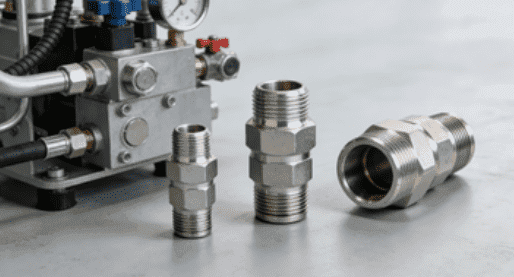
In industrial and mobile hydraulic systems, the integrity and performance of pipelines are critical to overall efficiency and safety. Hydraulic fittings serve as the connectors, enabling high-pressure fluid transfer between pumps, cylinders, valves, and hoses. Selecting the right hydraulic fitting types ensures leak-free operation, reduces maintenance needs, and enhances system longevity.
The complexity of hydraulic systems ranges from simple single-cylinder circuits to sophisticated multi-component networks. Regardless of size, the choice of hydraulic fitting types directly affects system reliability. This article explores three must-have hydraulic fitting types that every engineer or technician should consider for building dependable systems.
Understanding Hydraulic Fitting Types
Hydraulic fittings are essential mechanical components used to connect, terminate, or seal hydraulic hoses, tubes, and pipes. Their role goes far beyond simple connection—they are critical to the reliability, safety, and efficiency of any hydraulic system. Choosing the correct hydraulic fitting type ensures that the system can withstand extreme pressures, temperature variations, mechanical stress, and vibration without leaks. Improper selection or installation, on the other hand, can lead to catastrophic system failures, costly downtime, and even workplace safety hazards.
Hydraulic fitting types vary significantly in design, material, and application, making it vital for engineers and technicians to fully understand their characteristics. In industrial and mobile hydraulic systems, fittings play a crucial role in ensuring continuous operation and preventing fluid contamination, leaks, and wear-related failures.
Categories of Hydraulic Fitting Types
Hydraulic fittings can be broadly classified into three major categories based on their design, threading, and typical applications:
- Threaded Fittings
Threaded fittings, such as JIC, NPT, and BSP types, provide robust and reliable connections for high-pressure pipelines. They are particularly valued for applications where precision alignment and leak resistance are crucial. These fittings are commonly used in construction equipment, agricultural machinery, and industrial manufacturing systems. - Flanged Fittings
Flanged fittings are ideal for large-diameter pipes and high-flow systems. They allow for secure mechanical connections while enabling easier maintenance or replacement. Industrial plants, marine systems, and large-scale hydraulic power units often rely on flange connections for their versatility and durability. - O-Ring Face Seal (ORFS) Fittings
ORFS fittings combine a metal-to-metal sealing surface with an elastomeric O-ring to prevent leaks in high-pressure environments. These fittings are particularly suitable for mobile hydraulic systems or applications exposed to high vibration. By providing extra sealing protection, ORFS fittings reduce the risk of fluid loss and maintenance interruptions.
Each hydraulic fitting type offers unique advantages and comes with certain limitations. Selecting the right type for the specific application ensures optimal performance, long-term reliability, and minimal operational disruptions.
Top 3 Must-Have Hydraulic Fitting Types
For any hydraulic system—whether in industrial machinery, construction equipment, or mobile vehicles—three hydraulic fitting types are considered essential. Each offers distinct benefits and applications that help engineers build reliable, high-performance systems.
JIC (Joint Industry Council) Fittings

JIC fittings are globally recognized for their 37-degree flare design, providing leak-resistant connections suitable for high-pressure applications. Their precise engineering ensures tight seals without the need for additional gaskets.
Key Advantages:
- High pressure tolerance, up to 6000 PSI for standard sizes
- Simple assembly and disassembly, which saves time during installation or maintenance
- Compatibility with both steel and stainless steel tubing
- Wide availability and proven reliability across industries
Applications:
- Mobile hydraulics in construction machinery, including excavators, bulldozers, and loaders
- Industrial hydraulic systems requiring precise tube alignment
- Agricultural and forestry equipment
Expert Insight:
According to industry standards, JIC fittings are preferred in systems where moderate to high vibration is present, and maintenance accessibility is critical. Engineers often choose JIC over other threaded fittings for mobile equipment due to its balance of reliability and versatility.
O-Ring Face Seal (ORFS) Fittings
ORFS fittings use a combination of a precision-machined face and a resilient O-ring to create a metal-to-metal seal with added elastomeric protection. This design ensures leak-free performance under extreme pressure and vibration, making them ideal for high-demand hydraulic applications.
Key Advantages:
- Superior leak prevention even under intense vibration
- Suitable for pressures up to 6000 PSI
- Reduced maintenance frequency compared to standard flare fittings
- Long-term durability in harsh operating conditions
Applications:
- Hydraulic presses, injection molding machines, and industrial automation equipment
- Heavy-duty trucks and mobile construction machinery
- High-pressure industrial systems exposed to shock loads
Maintenance Notes:
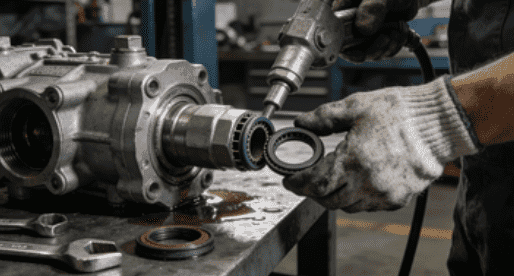
ORFS fittings require proper torque and alignment during installation. Using an incorrectly sized O-ring can compromise sealing efficiency and shorten component life. Regular inspection ensures the O-ring remains intact and the metal surfaces are free of damage or corrosion.
Flange Fittings
Flange fittings are essential for large-diameter hydraulic lines and high-flow systems. They provide mechanically robust connections, allowing for quick disassembly during maintenance or component replacement.
Key Advantages:
- Excellent performance in high-flow scenarios
- Easy assembly and disassembly for maintenance
- Pressure handling up to 5000 PSI depending on design
- Ideal for heavy-duty industrial applications
Applications:
- Industrial manufacturing and processing plants
- Large-scale hydraulic power units
- Marine and offshore hydraulic systems
Additional Considerations:
Flange fittings are particularly effective in systems where frequent inspection or maintenance is required. However, they can be less suitable for mobile or vibration-heavy environments unless reinforced with additional supports.
Hydraulic Fitting Types: Comparison Table
| Fitting Type | Maximum Pressure | Application | Maintenance | Advantages |
|---|---|---|---|---|
| JIC | Up to 6000 PSI | Mobile hydraulics, industrial machines | Moderate | Leak-resistant, easy assembly, versatile |
| ORFS | Up to 6000 PSI | High-pressure, vibration environments | Low | Superior sealing, vibration-resistant, reliable |
| Flange | Up to 5000 PSI | High-flow, large diameter systems | Moderate | High-flow capacity, easy maintenance, robust |
This table illustrates how each hydraulic fitting type compares in terms of pressure rating, temperature range, material compatibility, typical applications, and maintenance requirements. Understanding these differences is crucial for system designers aiming to maximize reliability and minimize downtime.
Selecting the Right Hydraulic Fitting Types
Choosing the appropriate hydraulic fitting types requires a careful assessment of several factors:
System Pressure
Ensure fittings are rated for the maximum operating pressure.
Temperature Range
Some fittings are better suited for high-temperature hydraulic fluids.
Fluid Type
Compatibility with mineral oil, synthetic fluids, or water-glycol solutions is critical.
Application Environment
Consider vibration, shock, and movement for mobile machinery.
Maintenance Access
Easy disassembly reduces downtime during system repairs.
Proper selection reduces leak risks, extends equipment life, and ensures efficient hydraulic performance.
Expert Recommendations
According to hydraulic industry experts, investing in high-quality fittings can reduce unscheduled maintenance by up to 40% and minimize operational downtime. Engineers should always prioritize reliability and compatibility over cost savings when designing critical hydraulic systems.
Common Issues with Hydraulic Fitting Types
Even with proper selection, issues may arise if installation and maintenance are neglected. Some common problems include:
- Improper torque during assembly: Can cause leaks or damage to threads.
- Cross-threading: Leads to permanent damage and fluid leakage.
- Wear and corrosion: Especially in aggressive environments or with incompatible fluids.
- Vibration-induced loosening: Can compromise connection integrity in mobile systems.
Regular inspection and maintenance of hydraulic fitting types can prevent most of these issues.
Conclusion
Hydraulic fitting types play a pivotal role in ensuring system performance and reliability. The three must-have types—JIC, ORFS, and flange fittings—offer robust, leak-resistant, and easy-to-maintain solutions for a wide range of applications. By carefully selecting the right fitting types and implementing proper installation practices, engineers can minimize downtime, enhance safety, and extend the service life of hydraulic systems.
Upgrading to high-quality fittings and following best practices not only improves operational efficiency but also ensures compliance with safety and environmental standards.
FAQ
Q1: What are the most reliable hydraulic fitting types for high-pressure applications?
A: JIC and ORFS fittings are highly reliable for pressures up to 6000 PSI, providing leak-free connections.
Q2: How often should hydraulic fittings be inspected?
A: It is recommended to inspect fittings at least every 6 months, or more frequently in vibration-prone or heavy-use environments.
Q3: Can flange fittings be used in mobile machinery?
A: Flange fittings are better suited for stationary, high-flow industrial systems, but they can be used in mobile applications with proper support and anti-vibration measures.
Q4: What is the main difference between JIC and ORFS fittings?
A: JIC fittings rely on a metal-to-metal 37-degree flare seal, while ORFS fittings use an O-ring for enhanced sealing and vibration resistance.
Q5: Are all hydraulic fitting types interchangeable?
A: No. Fittings must be matched to the tubing size, thread type, and pressure rating to ensure safety and performance.
Q6: What materials are commonly used for hydraulic fitting types?
A: Most hydraulic fitting types are made from carbon steel, stainless steel, or brass. Carbon steel is widely used for high-pressure systems, while stainless steel offers superior corrosion resistance in harsh environments.
Q7: How does temperature affect hydraulic fitting types?
A: Extreme temperatures can impact the sealing performance of hydraulic fitting types. High heat may soften O-rings or degrade elastomers, while very low temperatures can make materials brittle. Selecting fittings rated for the operating temperature ensures safety and longevity.
Q8: Can hydraulic fitting types be reused after disassembly?
A: Threaded fittings like JIC can often be reused if they are undamaged and properly inspected. O-Ring Face Seal (ORFS) fittings typically require new O-rings after disassembly to maintain leak-free performance.