Table of Contents
Introduction
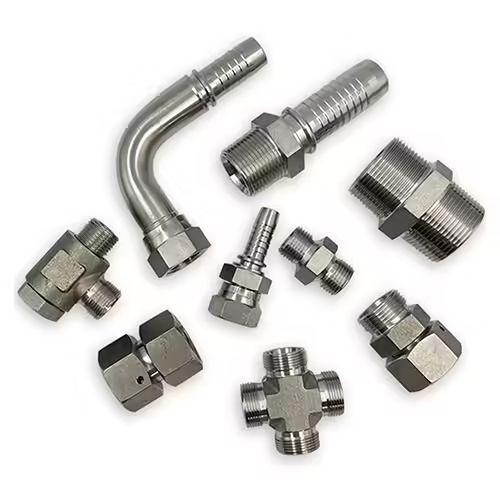
Pipe fitting unions are essential mechanical connectors used in piping systems to join two pipe sections in a way that allows easy disassembly without cutting or damaging the pipeline. In industrial engineering, this flexibility is critical for maintenance, inspection, and system upgrades.
In most industrial environments, downtime directly impacts operational cost. According to general maintenance engineering studies published in industrial piping guidelines, systems designed with modular connection components like unions can reduce maintenance downtime significantly compared to welded-only systems. This is why pipe fitting unions are widely adopted in fluid, gas, and steam transportation systems.
Unlike permanent connections, unions provide a practical balance between strength and accessibility, making them a core component in modern pipeline design.
How Pipe Fitting Unions Work
A pipe fitting union typically consists of three main parts: a male end, a female end, and a central nut that compresses the two ends together. When tightened, the internal sealing surface creates a secure, leak-resistant connection.
The key advantage lies in its ability to be disconnected without rotating the pipes themselves. This is especially useful in confined spaces or systems where pipes are fixed in position.
When maintenance is required, the central nut is simply loosened, allowing the pipe sections to separate cleanly. This reduces system disruption and eliminates the need for cutting or rewelding.
Types of Pipe Fitting Unions
Different industrial applications require different union designs. Below are the most commonly used types:
Threaded piping unions
These are the most common type and are widely used in low to medium pressure systems. They are easy to install and ideal for general industrial piping.
Socket weld unions
Designed for higher pressure applications, these unions are welded into the pipeline for stronger and more permanent sealing.
Butt weld unions
These are used in systems requiring maximum strength and leak resistance, often found in high-temperature or high-pressure environments.
Flanged pipe unions
Common in large-scale industrial systems, these allow easy bolting and unbolting for heavy-duty maintenance.
Specialized high-pressure industrial unions
Engineered for extreme environments such as chemical processing or energy systems where both pressure and temperature are high.
Pipe Fitting Unions Materials and Their Properties
Material selection directly affects performance, durability, and safety. Below is a simplified comparison:
| Material | Key Properties | Typical Applications |
|---|---|---|
| Stainless steel | Corrosion resistant, high strength | Chemical, marine, food systems |
| Brass | Good machinability, moderate corrosion resistance | Water, low-pressure systems |
| Carbon steel | High strength, cost-effective | Oil, gas, industrial pipelines |
| Alloy steel | High temperature resistance | Power plants, steam systems |
Stainless steel is often preferred in environments exposed to moisture or corrosive fluids, while carbon steel remains widely used in high-strength industrial applications due to its cost efficiency.
Pipe Fitting Unions vs Couplings: Key Differences
Although piping unions and couplings may appear similar, they serve different purposes in piping systems.
A coupling is generally used for permanent or semi-permanent connections and often requires pipe rotation or cutting during removal. In contrast, a pipe fitting union allows quick disconnection without disturbing the pipeline alignment.
From a maintenance perspective, unions significantly reduce service time. This is particularly valuable in industrial systems where equipment access is limited or downtime must be minimized.
Applications of Pipe Fitting Unions in Different Industries
Piping unions are widely used across multiple industrial sectors due to their flexibility and reliability.
In oil and gas systems, they support pipeline sections that require frequent inspection or valve replacement. In chemical processing plants, corrosion-resistant unions ensure safe fluid transfer under aggressive conditions.
In HVAC systems, unions simplify installation and maintenance of complex piping networks. Water treatment facilities also rely on unions to allow easy cleaning and component replacement.
They are also commonly found in power generation systems where steam and high-temperature fluids require secure but serviceable connections.
How to Install Pipe Fitting Unions Correctly
Proper installation is critical for long-term performance and leak prevention.
First, ensure that both pipe ends are properly aligned. Misalignment can cause uneven pressure distribution and eventual leakage. Next, check that sealing surfaces are clean and free from debris.
Depending on the design, a gasket or metal-to-metal seal is used. The central nut should be tightened evenly to the manufacturer’s recommended torque level. Over-tightening can damage the seal, while under-tightening can lead to leakage.
Common installation mistakes include improper alignment, reusing damaged seals, and inconsistent tightening pressure.
Advantages of Using Pipe Fitting Unions
Pipe fitting unions offer several practical benefits in industrial systems.
One of the most important advantages is ease of maintenance. Instead of cutting or welding pipes, engineers can simply loosen the union for access. This significantly reduces system downtime.
Another advantage is reusability. Many union designs can be reused multiple times, making them cost-effective over long-term operations.
They also provide flexibility in system design, allowing modifications or expansions without major structural changes. In high-pressure systems, properly selected unions also enhance operational safety by maintaining secure sealing under demanding conditions.
Common Problems and Troubleshooting
Despite their advantages, pipe fitting unions can experience issues if not properly installed or maintained.
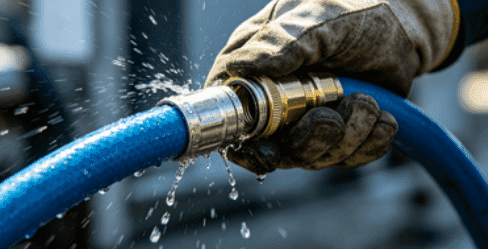
Leakage is one of the most common problems and is usually caused by improper tightening, worn seals, or surface contamination. Corrosion can also degrade material integrity over time, especially in harsh environments.
Seal failure often results from repeated use without replacement. In such cases, replacing the gasket or sealing surface is necessary.
Regular inspection and proper torque control are the most effective ways to prevent these issues.
How to Choose the Right Pipe Fitting Unions
Selecting the right union depends on multiple engineering factors.
Pressure and temperature ratings are the first consideration. High-pressure systems require reinforced designs, while low-pressure systems can use standard threaded unions.
Material compatibility is also critical. The selected material must resist corrosion from the transported fluid.
Industry standards such as ANSI or DIN provide guidelines for sizing and performance, ensuring system compatibility and safety compliance.
Cost is another factor, but in industrial engineering, performance and reliability should always take priority over initial price.
Maintenance and Lifespan Optimization
Proper maintenance extends the service life of pipe fitting unions and improves system reliability.
Regular inspection helps detect early signs of wear, corrosion, or leakage. Cleaning the connection points prevents buildup that may affect sealing performance.
Seal components should be replaced periodically, especially in high-cycle systems. Proper torque control during reassembly is essential to maintain consistent performance.
With correct maintenance practices, industrial unions can operate efficiently for extended periods without failure.
Pipe Fitting Unions in Modern Industrial Engineering
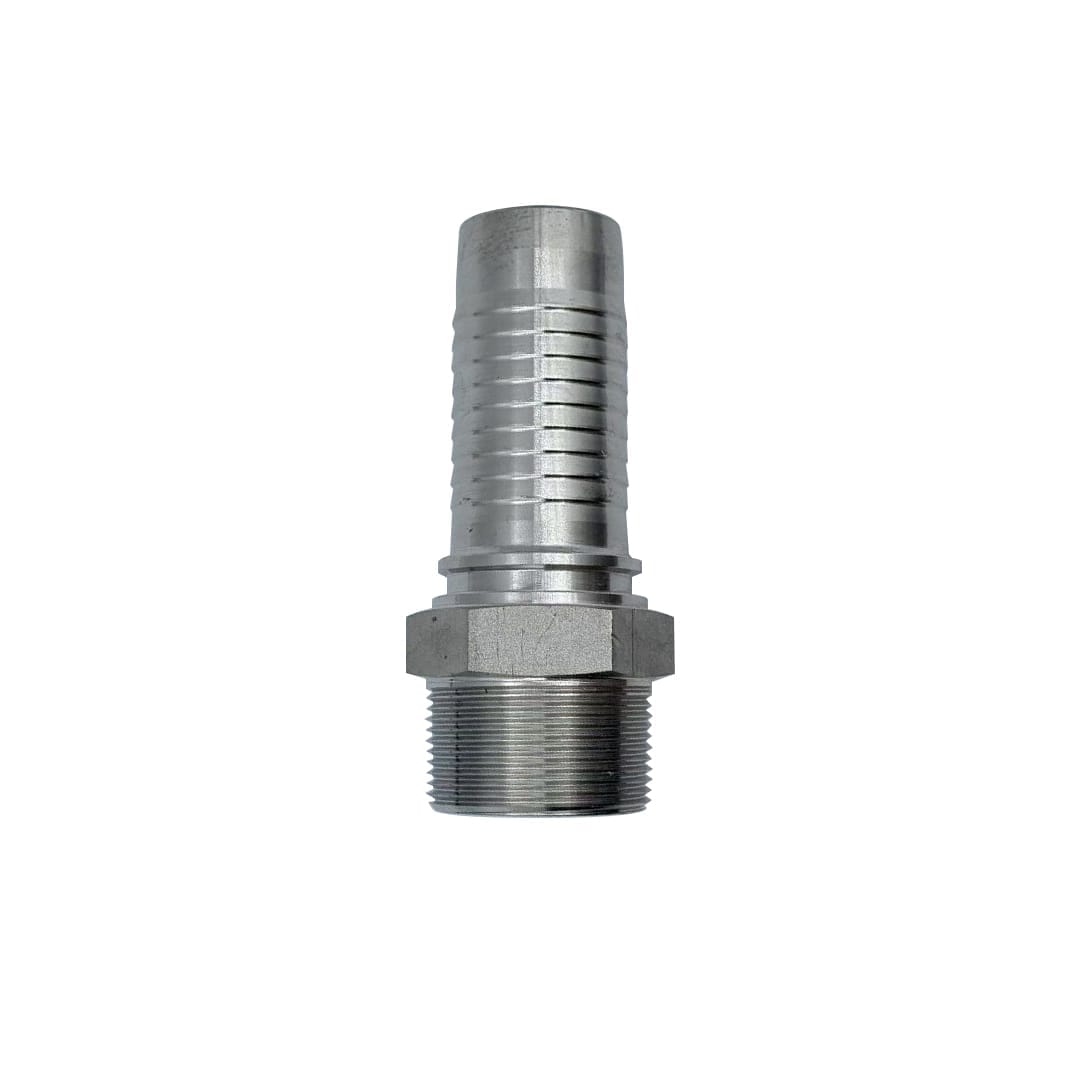
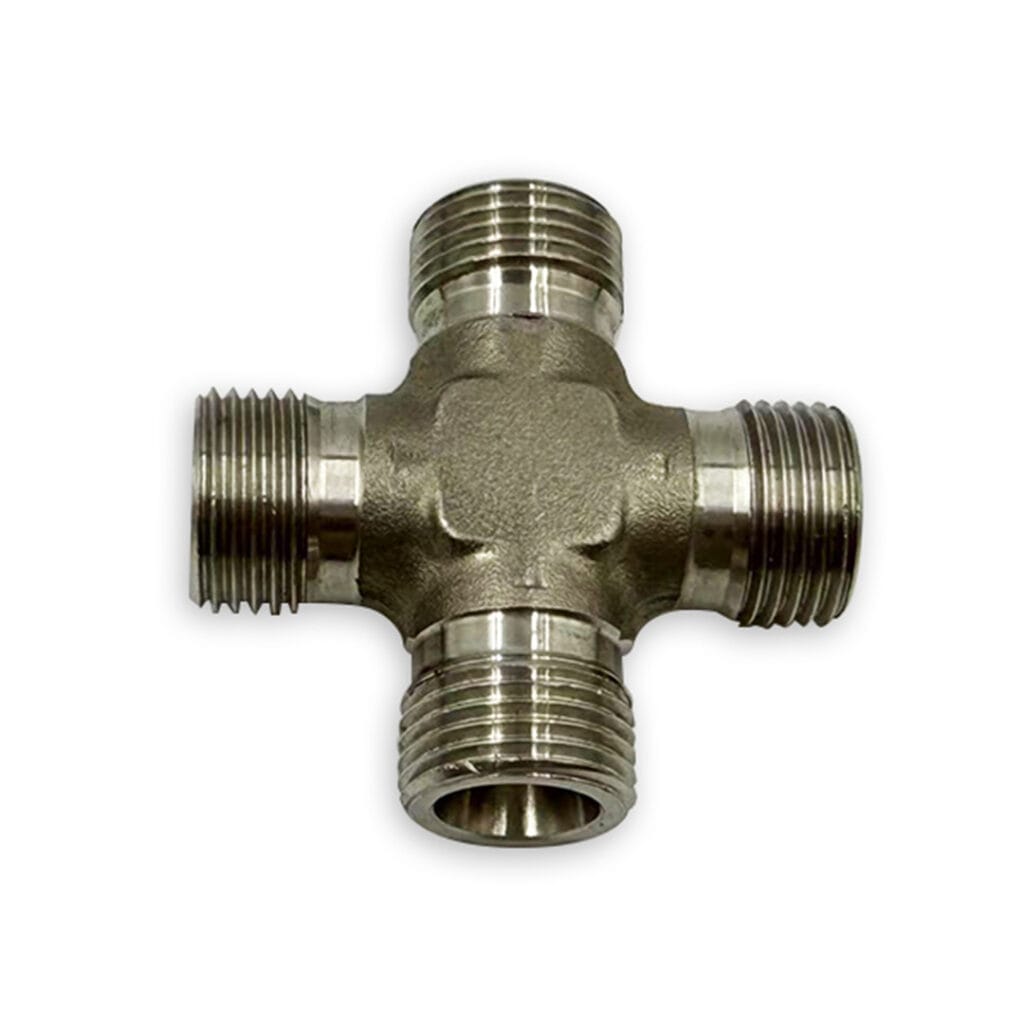
Modern piping systems are increasingly designed with modularity in mind. Pipe fitting unions play a key role in this shift by enabling flexible system architecture.
In automated industrial environments, modular piping allows faster upgrades and integration with new technologies. Engineering research in industrial fluid systems shows that modular connections improve maintenance efficiency and system adaptability over time.
Future developments are focusing on improved sealing technology, corrosion-resistant materials, and designs that can handle higher pressures while maintaining easy disassembly.
Conclusion
Pipe fitting unions are a critical component in modern industrial piping systems, offering a balance between strength, flexibility, and maintainability. Their ability to simplify maintenance while ensuring reliable sealing makes them indispensable in many industries.
For engineers and system designers, selecting the right type, material, and installation method is essential for long-term system performance. When properly applied, pipe fitting unions contribute significantly to operational efficiency, safety, and cost control in complex piping networks.
FAQ
What are pipe fitting unions used for?
Pipe fitting unions are used to connect two pipes in a way that allows easy disassembly without cutting the pipe, making maintenance and repair more efficient.
What is the difference between pipe fitting unions and couplings?
Pipe fitting unions can be easily disconnected for maintenance, while couplings are generally permanent or require more effort to remove.
Are pipe fitting unions reusable?
Yes, most pipe fitting unions are reusable as long as the sealing components are in good condition and not damaged.
What materials are commonly used for pipe fitting unions?
Common materials include stainless steel, brass, carbon steel, and alloy steel, depending on pressure, temperature, and corrosion requirements.
Where are pipe fitting unions commonly applied?
They are widely used in oil and gas systems, HVAC systems, water treatment plants, and industrial piping networks.
Need Help Choosing the Right Pipe Fitting Unions?
If you’re unsure which pipe fitting unions are best for your piping system, pressure requirements, or industrial application, our experts are here to help. Contact us today for a personalized consultation and get the most reliable, durable, and cost-effective solutions for your project. Don’t wait until system failures or leaks occur—get in touch now to ensure safety, efficiency, and long-term performance in your pipeline systems!